


Blue Boat Landscape Painting
A blue boat landscape painting captures maritime life across the nineteenth and twentieth centuries in oil, watercolour, and glass.
Blue Boat Landscape Painting
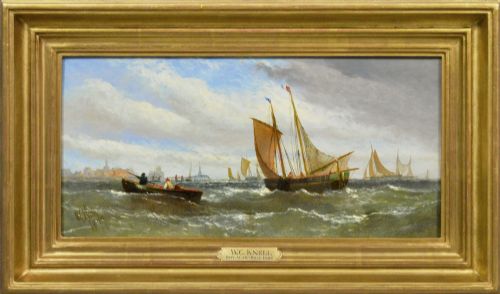
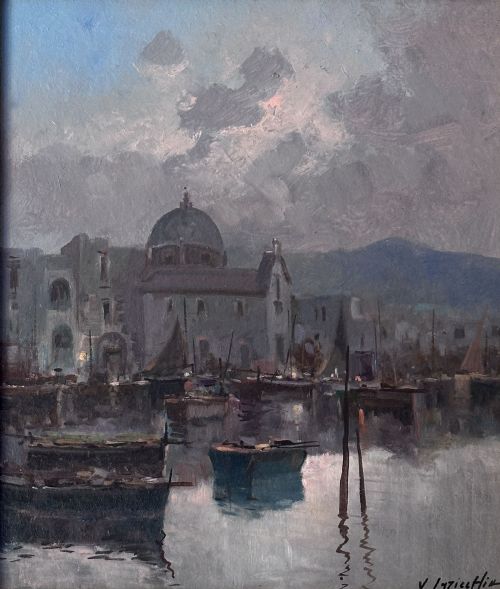
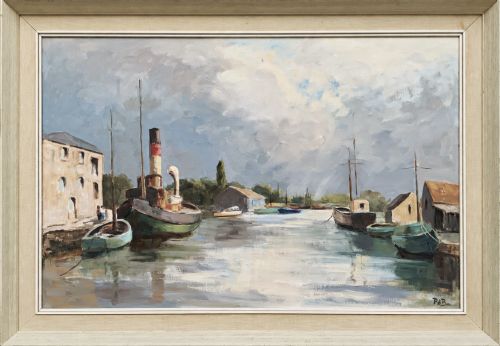
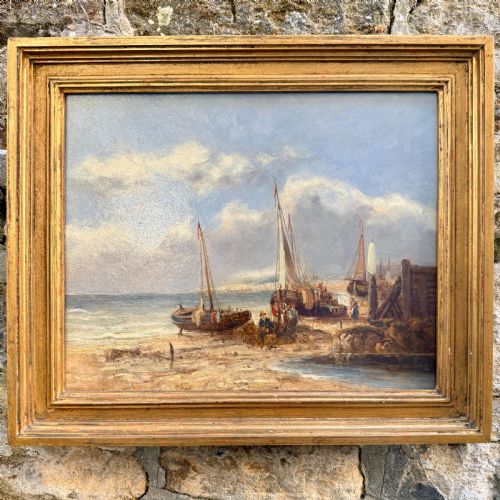
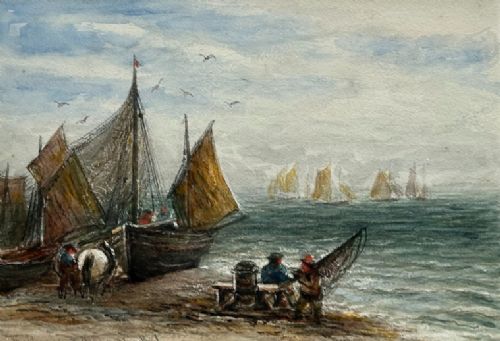
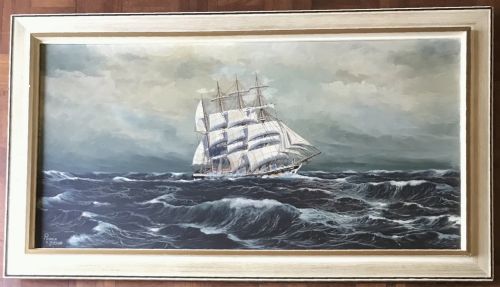
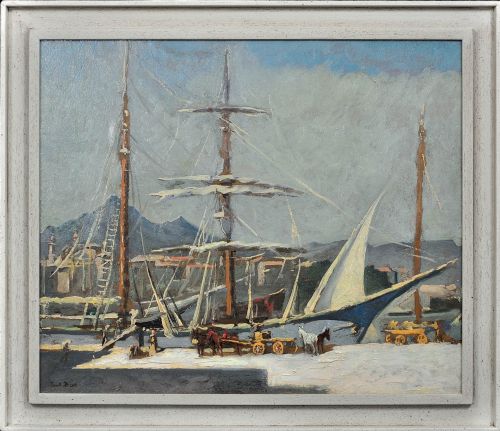
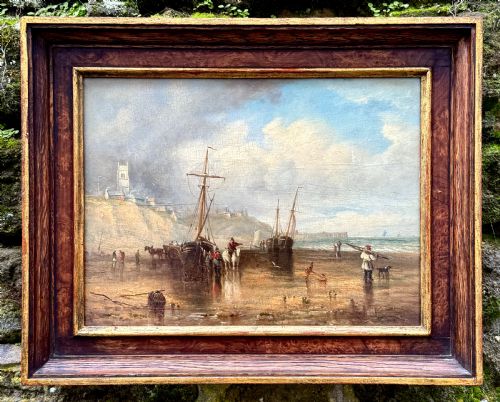
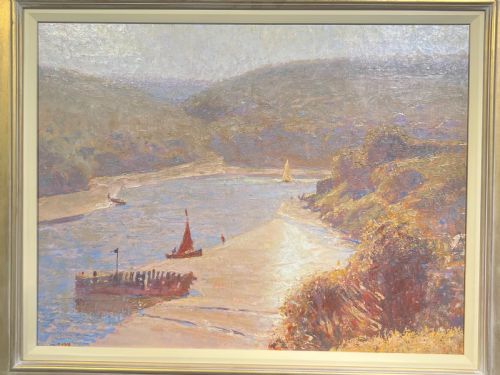
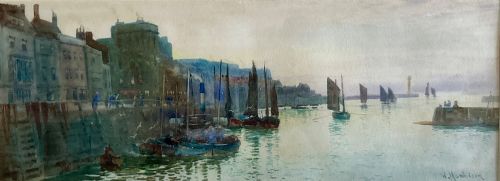
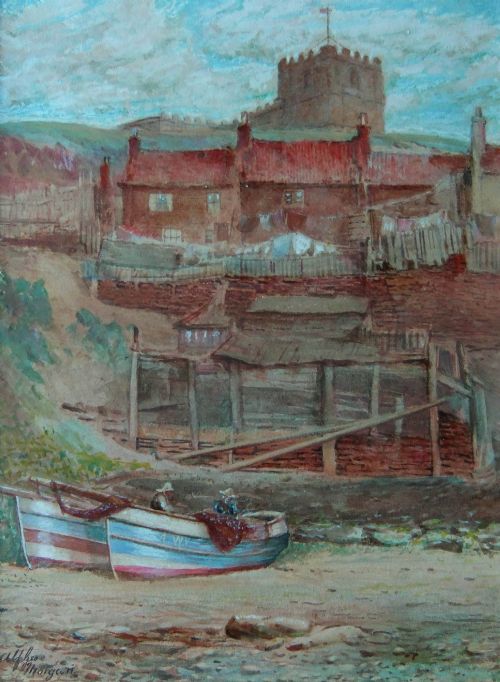
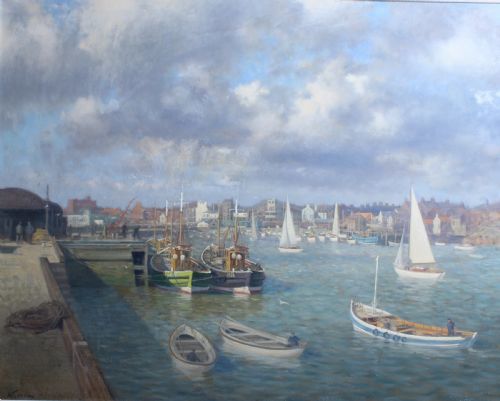
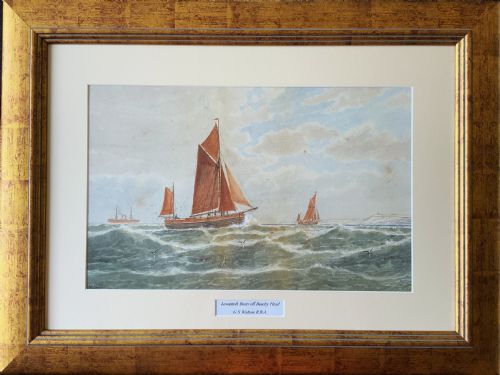
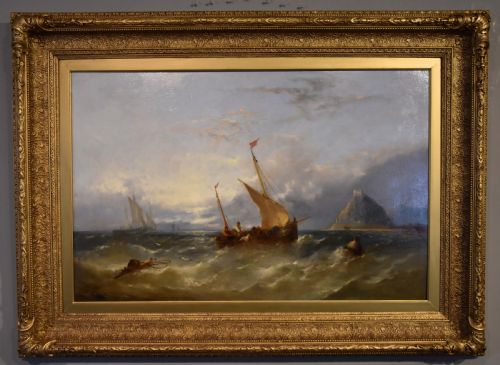
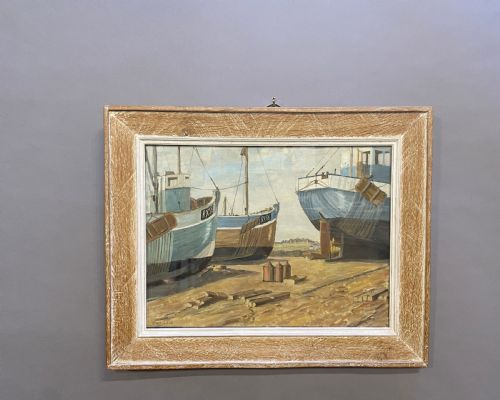
A blue boat landscape painting encompasses coastal and marine scenes created across the nineteenth and twentieth centuries. These works frequently depict harbours, fishing boats, and estuaries using mediums such as oil on canvas, wood panel, and watercolour on paper.
The pieces on this page span British Impressionism, Victorian marine art, and mid-century styles. Buyers will encounter both detailed nineteenth-century watercolours and bolder twentieth-century oil paintings showing vessels at sea or moored in port.
Materials and technique
Artists relied primarily on oil paint applied to canvas or wood panel, alongside watercolour pigments on paper. These materials allowed creators to render varied atmospheric effects, from the gentle ripples of a river to rough coastal waters.
Support structures range from traditional stretched canvas and wooden panels to paper sheets and leaded glass windows. Hand-painted glass panels and framed miniatures demonstrate the diversity of techniques utilised by marine painters.
Blue Boat Landscape Painting Retail Price Guide 2026
Typical asking prices for blue boat landscape painting among the pieces listed under this phrase on Sellingantiques today, from the lower quarter to the upper quarter. They describe what is for sale here now, not the wider market.
Materials represented in the current selection include canvas, wood panel, paper, and leaded glass.
Quality and execution
Distinction in these paintings lies in the artist's handling of light, water, and vessel perspective. Skilled compositions convey movement and atmosphere effectively through confident brushwork.
The integrity of the original support, whether canvas, panel, or paper, influences the physical condition of the artwork. Framed watercolours and oil paintings benefit from preservation that maintains pigment vibrancy.
James Orrock·Thomas Creswick·George Stanfield Walters·Henry Barlow Carter·Thomas Bush Hardy·Armand Guillaumin
The Blue Boat Landscape Painting Glossary
- Seascape
- A work of art depicting the sea or marine vessels. These scenes focus on coastal views, harbours, and ships.
- Watercolour
- A paint consisting of water-soluble pigments used on paper. Artists apply translucent washes to create luminous effects.
- Impressionism
- A style of painting emphasising light and visible brush strokes. Practitioners capture transient moments in natural settings.
- Panel
- A flat piece of wood used as a support for oil painting. Panels provide a rigid alternative to stretched canvas.
Blue Boat Landscape Painting: Frequently Asked Questions
What periods do these paintings cover?
The available artworks span from the nineteenth century through the mid-twentieth century. Creators worked across various decades, reflecting changing artistic movements.
Styles range from Victorian maritime depictions to mid-century impressionist interpretations of harbours and rivers.
How should I display a watercolour?
Watercolour paintings require protection from direct sunlight to prevent pigment fading over time. Proper framing behind glass ensures the paper remains secure.
Keeping the works in stable indoor environments helps preserve the paper support and painted surface.
What subjects appear in these scenes?
Common subjects include fishing boats, harbour quays, coastal villages, and open sea views. Locations range from British coastal towns to Mediterranean ports.
Artists also depicted inland waterways, rivers, and specific landmarks associated with maritime trade and leisure.
How do oil and watercolour differ?
Oil paint provides thick, textured coverage on canvas or wood panels, allowing for rich colour depth. Watercolour utilises thin, translucent washes on paper.
Each medium offers a distinct visual texture for capturing water, sky, and light.