


Blue Textile
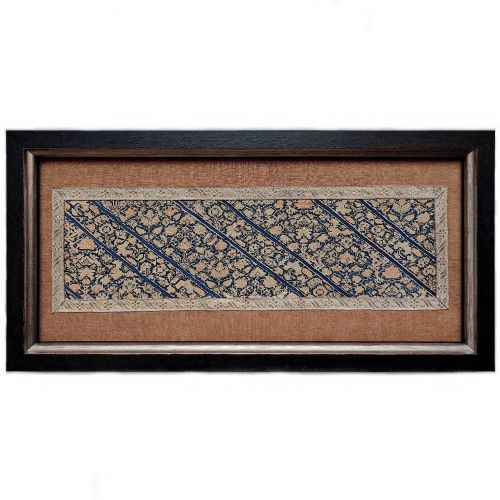
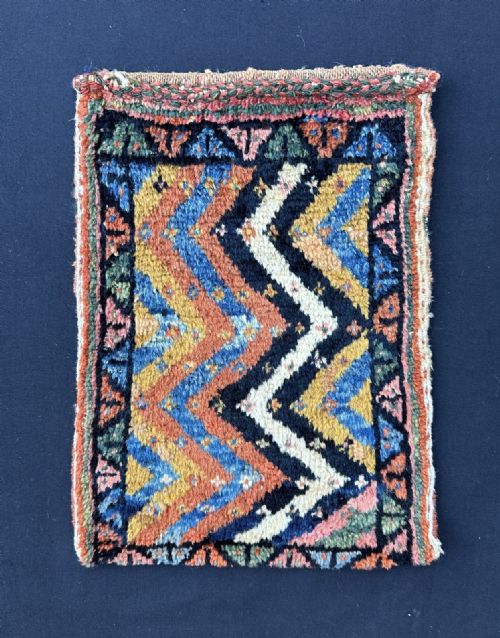
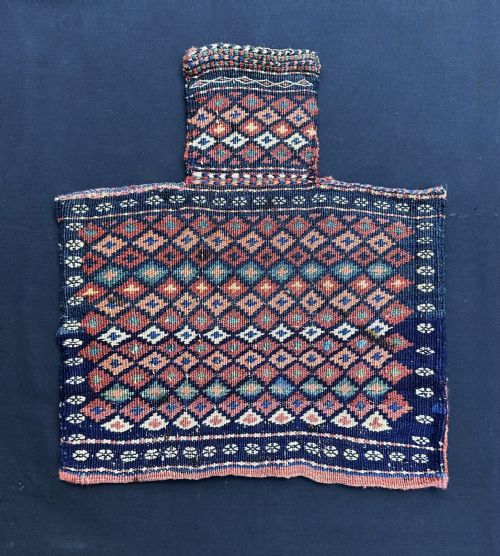
These pieces of blue antique textile span tribal bags, framed embroideries and heavy European tapestries, offering rich colour and historic depth for interior schemes.
Blue Textile
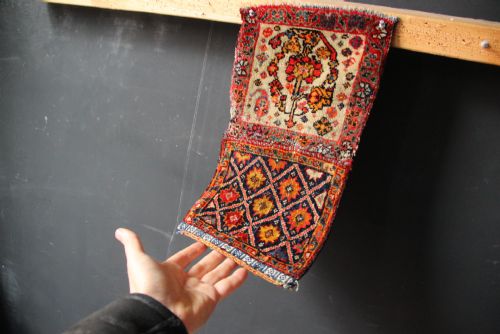
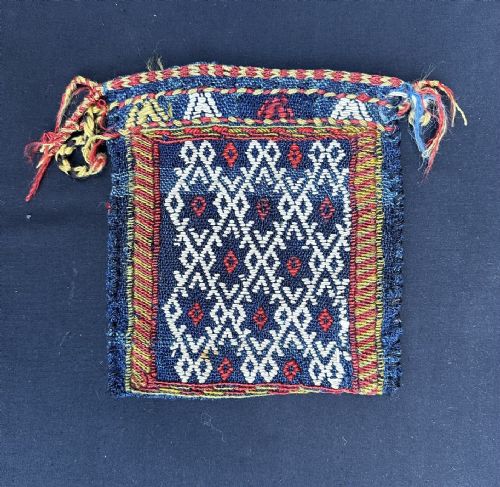
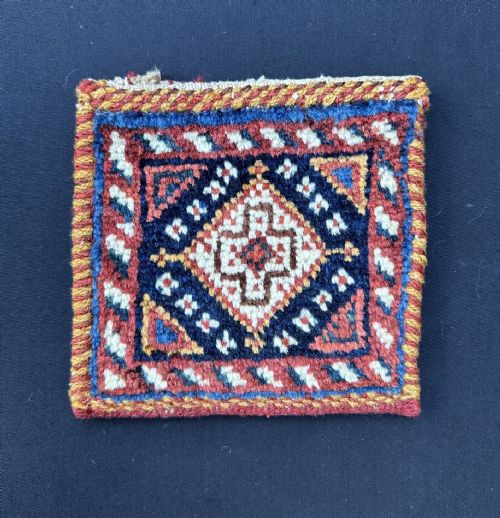
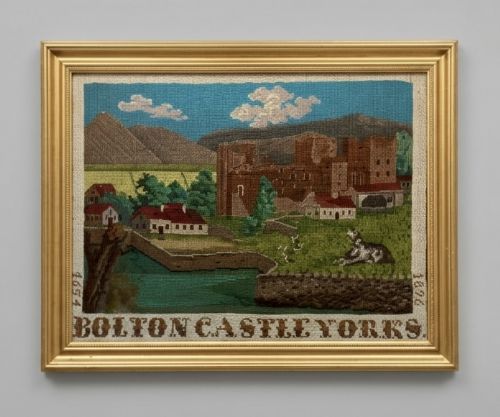
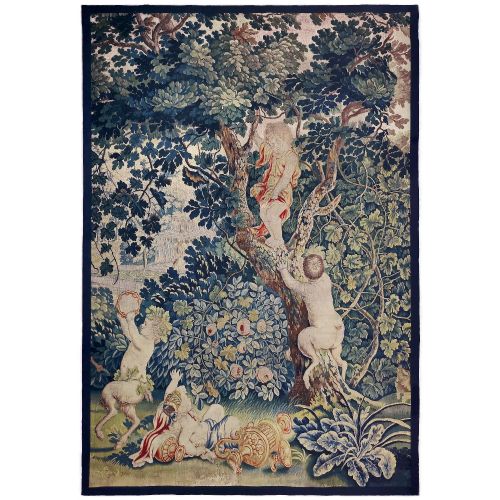
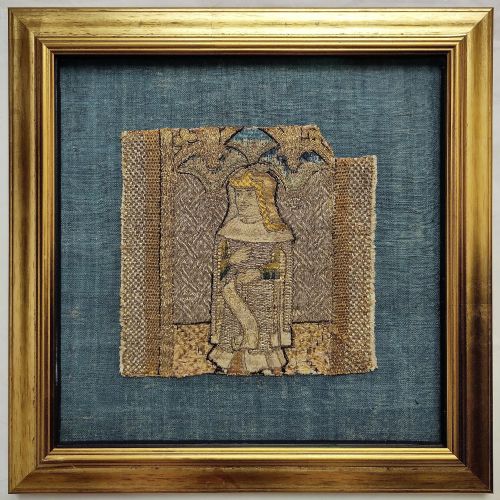
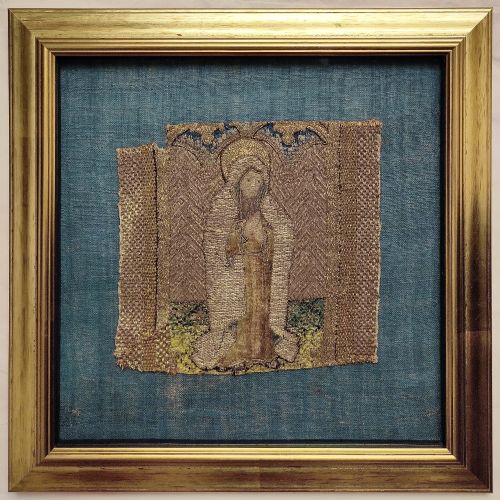
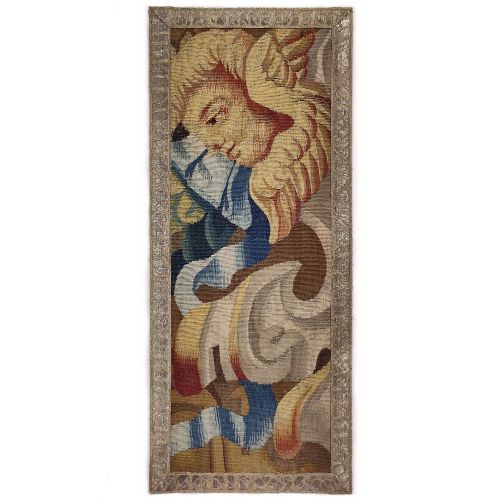
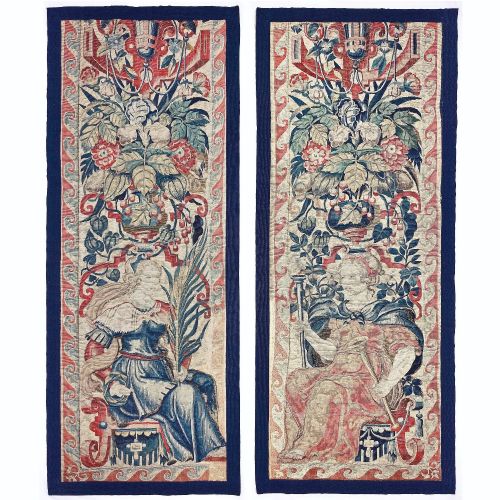
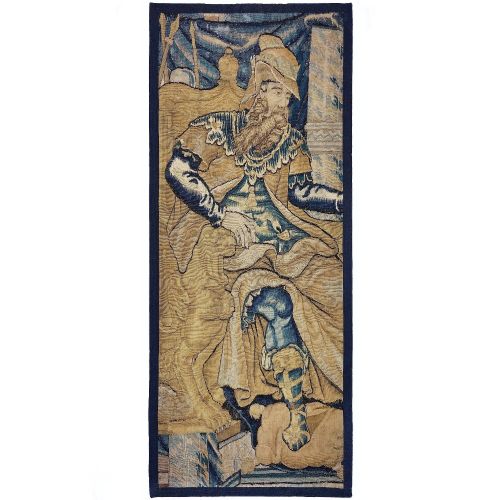
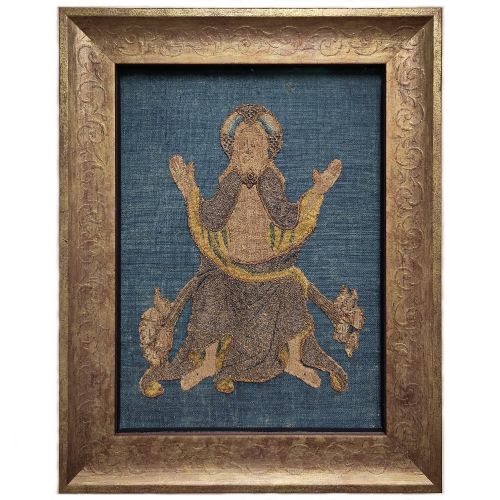
A blue antique textile covers a broad spectrum of historical items, ranging from Persian nomadic bags and Central Asian dowry embroideries to grand European tapestries. Buyers encounter various functional objects that once served domestic or ceremonial purposes, including salt-bags, bread sofrehs, vanity-bags and wall panels.
The material origins stretch across diverse regions, encompassing tribal workshops in Persia and Afghanistan alongside French and Flemish weaving centres. Pieces arrive from periods spanning the seventeenth century through to the Edwardian era, displaying considerable variety in scale and composition.
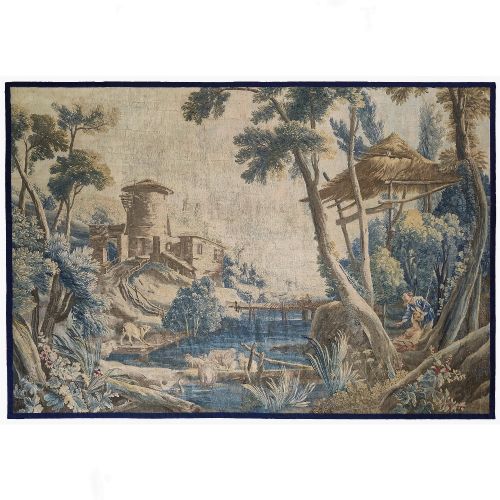
Nomadic weaves provide geometric motifs and utilitarian designs, whereas European workshops deliver figurative scenes and verdure landscapes. These items function primarily as wall art, decorative cushions or framed conversation pieces within modern interiors.
How they were made
Makers utilised natural dyes derived from plants and minerals to achieve deep indigo and varied blue tones across wool, silk, cotton and linen grounds. Hand-spun wool and heavy silk threads provide the structural integrity found in nomadic bags and elaborate embroideries alike.
Techniques range from hand-sewn embroidery and tapestry weaving to Sumac and flat-weave structures. Artisans combined these fibre methods with wooden frames, glass protection and occasional leather or textile backings to finish the objects.
Blue Textile Retail Price Guide 2026
Typical asking prices for blue textile among the pieces listed under this phrase on Sellingantiques today, from the lower quarter to the upper quarter. They describe what is for sale here now, not the wider market.
Several nomadic makers wove tennis players and hunting falcons into their traditional textile compositions.
What varies in quality
Quality rests upon the fineness of the weave, the complexity of the design and the preservation of the natural dyes. Tighter knotting and precise needlework distinguish master examples from simpler utilitarian objects.
The integrity of the fibres and the completeness of original borders or panels determine the distinction between ordinary fragments and exceptional survivals. Finer pieces demonstrate superior control over pictorial depth and chromatic balance.
The Blue Textile Glossary
- Sofreh
- A woven or embroidered cloth utilised for spreading food, kneading bread or serving meals in Persian households. These rectangular textiles often display tribal geometric field patterns.
- Verdure tapestry
- A European tapestry style dominated by foliage, trees, plants and distant landscapes, typically executed in rich blue and green wool or silk yarns.
- Sumac
- A flat-weave technique involving wrapping supplementary weft threads around warp threads to produce a textured, durable surface. This method appears frequently on antique bags.
- Torba
- A small storage bag produced by Turkmen tribes, traditionally hung inside a tent to hold household items. They feature characteristic tribal gul motifs.
- Kalamkari
- A type of hand-painted or block-printed cotton textile originating in India. These pieces often depict elaborate narrative or mythological scenes.
Blue Textile: Frequently Asked Questions
How should I hang an antique textile on the wall?
Heavy tapestries require a weight-distributing batten or sleeve sewn securely to the top reverse edge. Lighter embroideries and framed pieces utilise standard wall fixings suited to domestic plaster.
Direct sunlight fades natural indigo and dyed wools rapidly. Position fragile wall hangings away from direct exposure to preserve colour density.
Can I use tribal bags as floor cushions?
Nomadic bags and bag faces endured heavy practical use originally, but antique pile and flat-weave surfaces require careful protection today. Using them as decorative floor cushions exposes delicate wool and silk fibres to excessive friction.
Placing them on low-traffic seating or mounting them as textiles guarantees longevity. Gentle handling preserves the historical structure of the weave.
What indicates a seventeenth-century Flemish tapestry fragment?
Early Flemish fragments display dense verdure foliage, deep blue wools and hand-spun warps characteristic of workshop production before industrialisation. Edges often show historic cutting or unpicked borders.
Analysing the reverse reveals hand-tied knots and natural fibre variations distinct from later machine-woven copies. Structural wear patterns correspond with centuries of domestic utility.