




Blue and White Table
A blue and white table usually means a ceramic vessel or jar raised upon a base to serve as a lamp or decorative fixture.
Blue and White Table
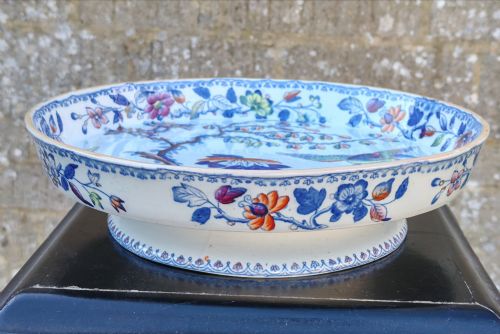
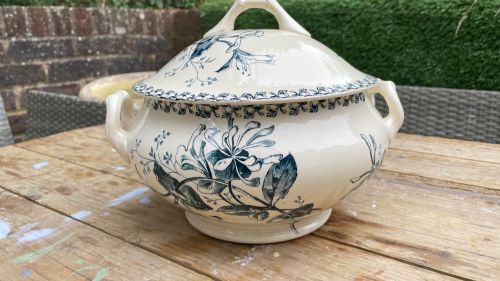
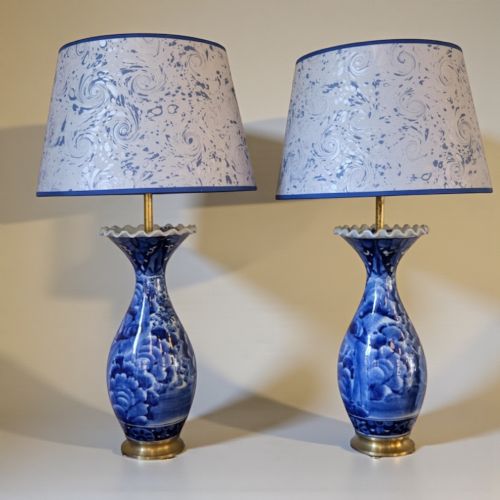
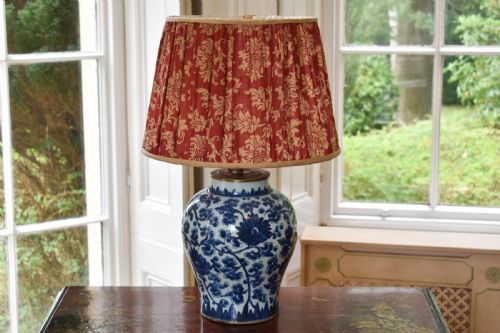
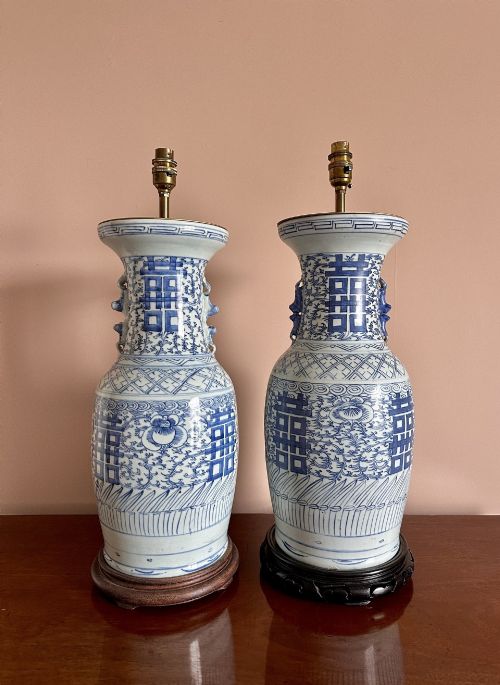
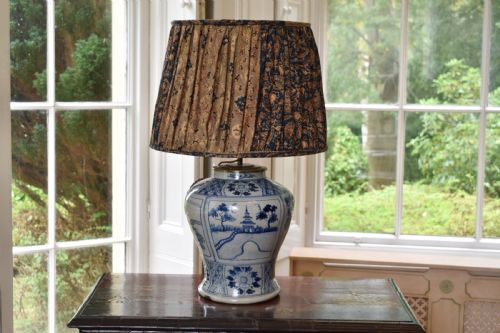
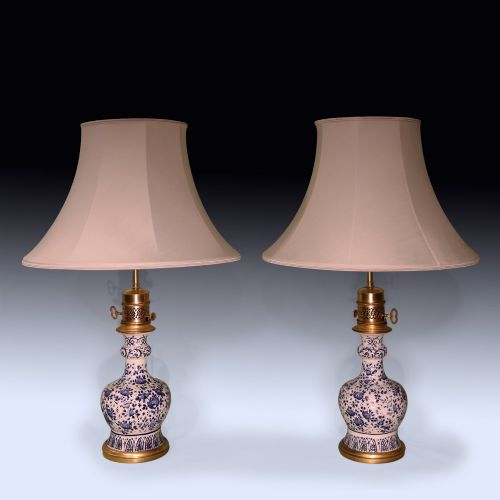
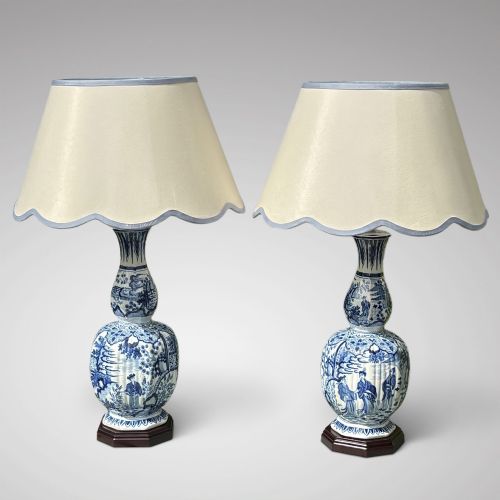
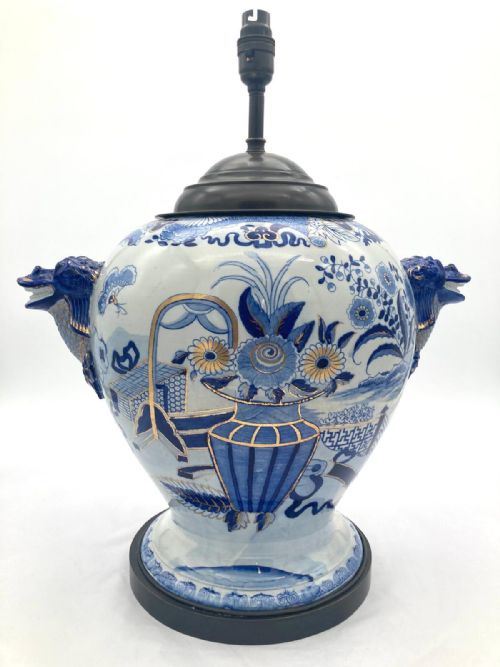
A blue and white table search reveals converted vases, jars, and decorative vessels originating from Dutch, Chinese, and English kilns across the seventeenth, eighteenth, and nineteenth centuries. The majority of items encountered on this page are ceramic containers adapted into table lamps or fitted with lamp wiring, blending historical pottery with domestic lighting.
Makers utilised earthenware, porcelain, and stoneware, often drawing upon Chinoiserie motifs, Delftware traditions, or Qing Dynasty aesthetics to ornament the surface. Pieces range from miniature furniture to large ginger jars and barrel garden seats, reflecting diverse international trade and local European imitation.
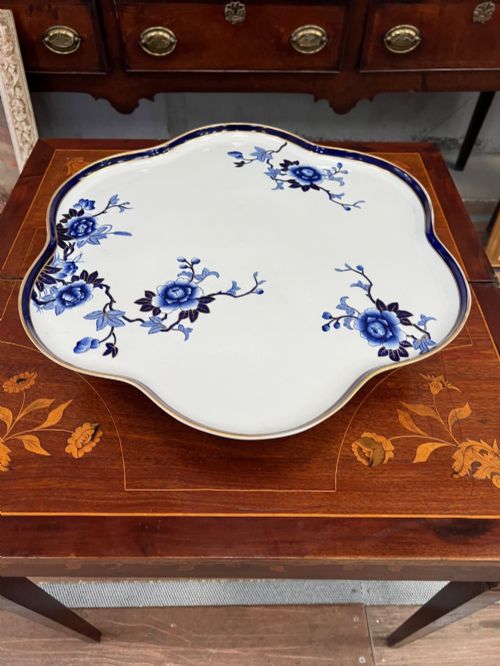
The historical span extends from late seventeenth century Japanese and Chinese examples through Victorian interpretations and Art Deco porcelain. Buyers encounter utilitarian vessels given new purpose as lamps alongside decorative bowls and mantel items bearing cobalt blue decoration upon white ground.
Materials and construction methods
Potters shaped clay into porcelain, earthenware, or ironstone bodies before applying cobalt pigment by hand to achieve the characteristic blue decoration beneath a clear glaze. Many vessels were subsequently mounted onto brass, gilt bronze, or glass bases when converted into table lamps or structural ornaments.
Techniques varied from traditional Chinese throwing and glazing methods to Dutch Delftware production and nineteenth century transfer printing on pottery. Artisans combined ceramic forming with metal mounting, fabric shade construction, and electrical rewiring to transform antique vessels into functional interior items.
Blue and White Table Retail Price Guide 2026
Typical asking prices for blue and white table among the pieces listed under this phrase on Sellingantiques today, from the lower quarter to the upper quarter. They describe what is for sale here now, not the wider market.
Several items started life as seventeenth-century vessels before finding new careers illuminating Victorian sitting rooms as converted lamps.
Distinguishing quality across the range
Quality rests upon the crispness of the cobalt painting, the purity of the ceramic body, and the integration of any metal mounts or conversion elements. Finer examples display hand-painted detail with deep tonal variation, whereas standard pieces rely on simpler transfer-printed patterns or heavier potting.
The proportion and stability of the conversion matter significantly, separating professional lamp adaptations with sympathetic brass or gilt bases from simpler alterations. Condition of the underlying glaze and preservation of the ceramic form distinguish the upper tier from heavily restored items.
Hicks and Meigh·Doulton Burslem·Vion and Baury·Minton
The Blue and White Table Glossary
- Chinoiserie
- European decorative style reflecting Chinese artistic influences, commonly seen on eighteenth and nineteenth century ceramics.
- Delftware
- Tin-glazed earthenware produced in the Netherlands and England, typically featuring white surfaces painted with blue designs.
- Ginger jar
- A ceramic vessel with a broad body and high shoulder, frequently converted into a table lamp.
- Transfer printing
- A mechanical method of applying complex patterns to pottery from a copperplate onto paper and then to the clay body.
- Crackleware
- Pottery featuring a network of fine cracks in the glaze applied deliberately for decorative effect.
Blue and White Table: Frequently Asked Questions
What is a blue and white table lamp?
A blue and white table lamp is typically an antique ceramic vase, ginger jar, or censer that has been adapted with electrical fittings and mounted on a base for domestic lighting.
These pieces combine historical pottery from Chinese dynasties or European kilns with modern functional use, retaining their original hand-painted or transfer-printed cobalt decoration.
How do I date a blue and white ceramic piece?
Dating relies upon examining the potting style, the shade and depth of the cobalt blue pigment, and any underlying maker marks or glaze characteristics. Seventeenth and eighteenth-century pieces often show distinct potting traits compared to Victorian or Art Deco revivals.
Changes in trade routes and manufacturing techniques, such as the shift from hand painting to transfer printing, help narrow the period of origin.
Are these lamps converted from original vases?
Many listings feature antique vases, ginger jars, and temple jars that were converted into table lamps during later periods or in contemporary workshops. The conversion often involves drilling the ceramic base or fitting brass and gilt bronze mounts to secure electrical wiring and shades safely.
Collectors look for professional conversions that preserve the integrity of the original vessel without causing excessive structural damage to the antique body.
Where did blue and white ceramics originate?
The tradition originates primarily from Chinese kilns, particularly during the Qing Dynasty, where cobalt pigment was applied beneath a transparent glaze. European potteries in Holland, England, and France later studied and imitated these imports, creating Dutch Delftware and English porcelain versions.
This cross-cultural exchange produced diverse styles, including Chinoiserie interpretations and local European earthenware designs spanning several centuries.