


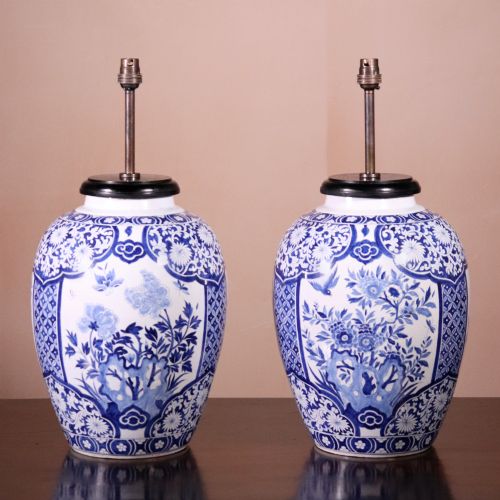


Blue and White Table Lamp
When you search for a blue and white table lamp, you find centuries-old ceramic vessels transformed into functional domestic lighting.
Blue and White Table Lamp
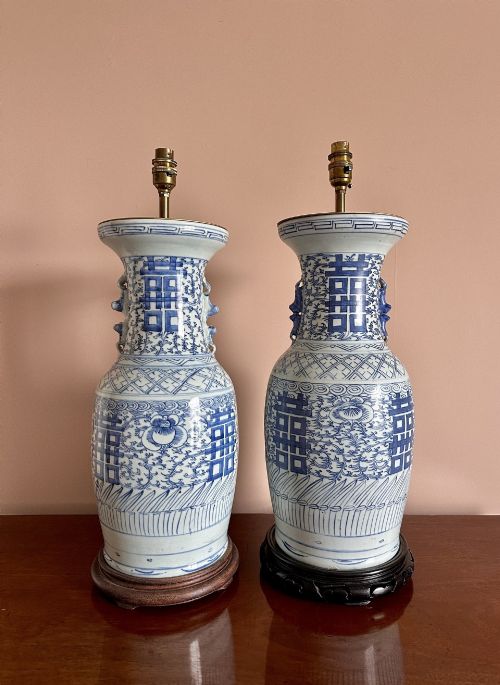
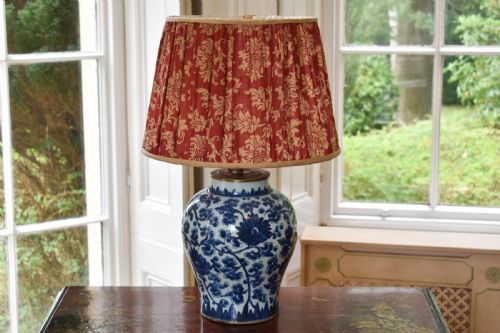
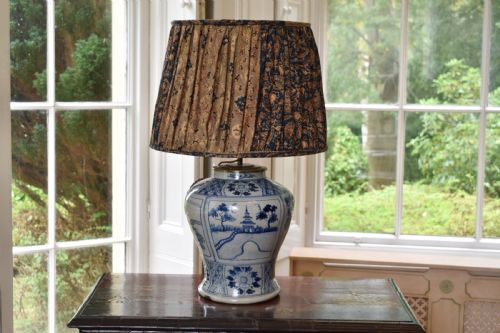
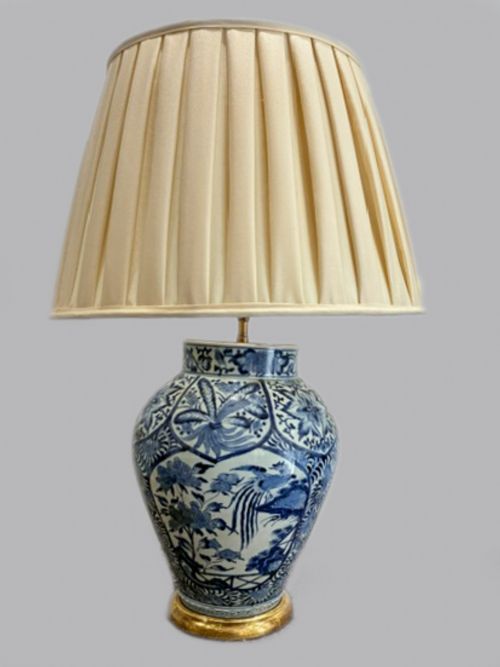
A blue and white table lamp is typically constructed by converting antique ceramic vessels, such as ginger jars, bottle vases, and ginger jars from China, Japan, and European potteries into wired lighting.
The nineteenth century provides the highest volume of examples, particularly Chinese porcelain vases featuring crackleware or prunus blossom motifs alongside Japanese export wares.
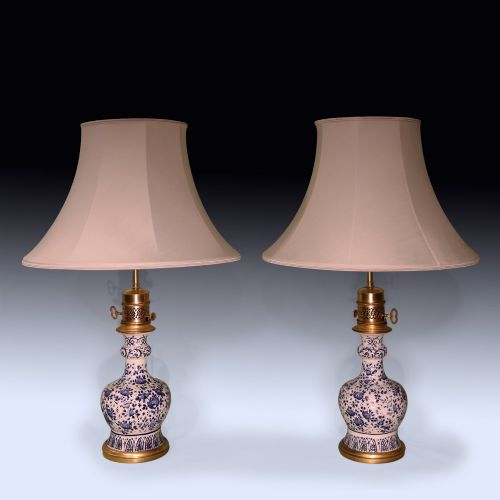
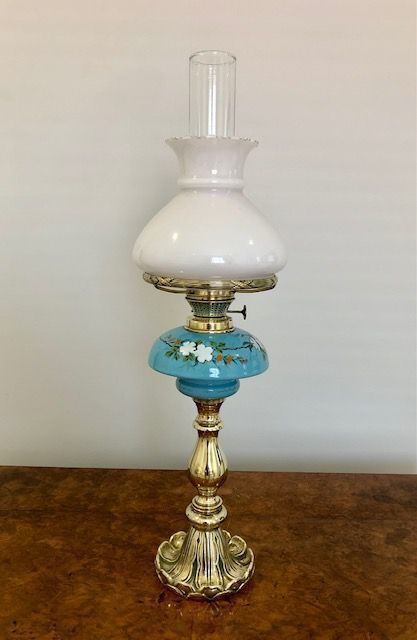
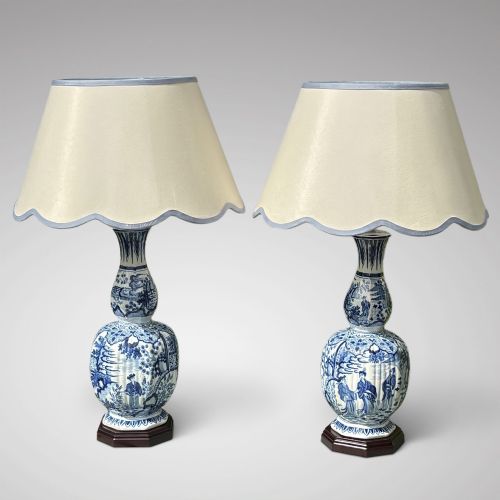
Earlier pieces draw from seventeenth-century Japanese vases and eighteenth-century Dutch Delftware, while later variations extend into twentieth-century Art Deco porcelain and Edwardian oil lamps.
Materials and Construction
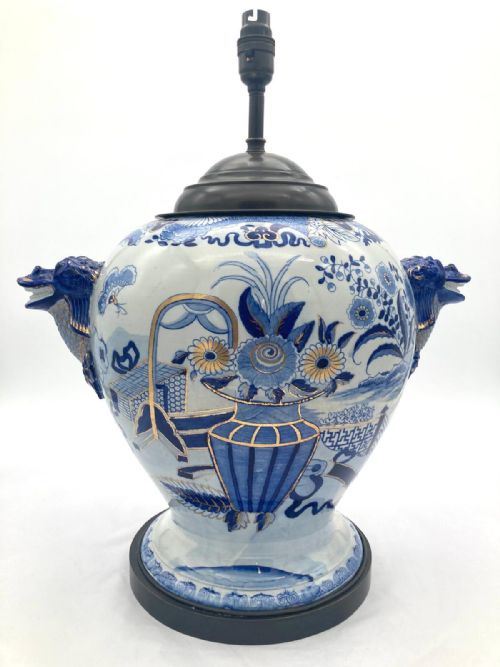
The bodies utilise porcelain, earthenware, and ironstone, decorated under the glaze in cobalt blue before being mounted onto bases of brass, wood, or black glass.
Many historical examples began life as oil lamps with glass shades or imported decorative vases before receiving subsequent conversions for electrical wiring and handmade fabric or silk shades.
Blue and White Table Lamp Retail Price Guide 2026
Typical asking prices for blue and white table lamp among the pieces listed under this phrase on Sellingantiques today, from the lower quarter to the upper quarter. They describe what is for sale here now, not the wider market.
Several Victorian oil lamps quietly retired from burning kerosene to illuminate modern rooms through the magic of rewiring.
Evaluating the Pieces
Quality rests in the harmony between the original vessel and its conversion, where well-executed mounts and stable bases preserve the integrity of the antique ceramic.
The crispness of the cobalt painting on the porcelain body, the depth of the glaze, and the proportion of the added mounts distinguish standard production from exceptional examples.
Hicks and Meigh
The Blue and White Table Lamp Glossary
- Crackware
- A decorative glaze finish characterised by a network of fine cracks intentionally created during the firing process. This technique appears frequently on nineteenth-century Chinese vases.
- Delftware
- Tin-glazed earthenware produced in the Netherlands, particularly in the town of Delft. Eighteenth-century examples often emulate Chinese blue and white porcelain.
- Imari
- A style of Japanese export porcelain decorated in underglaze blue and overglaze iron red and gold. These pieces date from the seventeenth century onwards.
- Prunus
- A decorative motif representing plum blossoms, commonly depicted on Chinese ginger jars and vases from the nineteenth century.
Blue and White Table Lamp: Frequently Asked Questions
Are these lamps safe to use today?
Many antique lamps have been rewired to modern standards, often featuring updated cabling and safety testing.
Buyers should inspect the internal wiring and consult a qualified electrician if any components appear original to the conversion.
How do I identify the age of the ceramic base?
Dating relies on stylistic clues, glaze characteristics, and potting techniques specific to periods like the Qing Dynasty or the Victorian era.
Markings on the base can also offer guidance, though many export pieces remain unmarked.
Can I replace the lampshades easily?
Lampshades on these converted pieces can usually be swapped to match your interior scheme, provided the fitting matches the harp or carrier.
Many listings include handmade silk or fabric shades designed specifically for the proportions of the vase.
What is the difference between Chinese and Delftware lamps?
Chinese examples utilise hard-paste porcelain with deep cobalt underglaze painting, originating from East Asian export production.
Delftware employs tin-glazed earthenware made in Europe, offering a softer paste and a distinctively different glaze texture.