


Blue and Red Vase
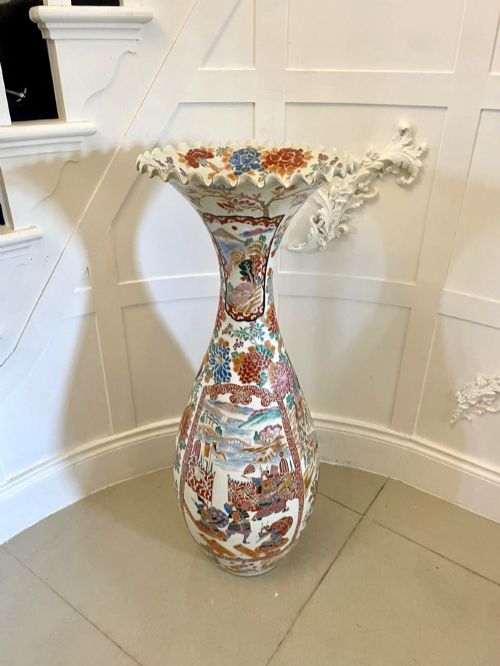
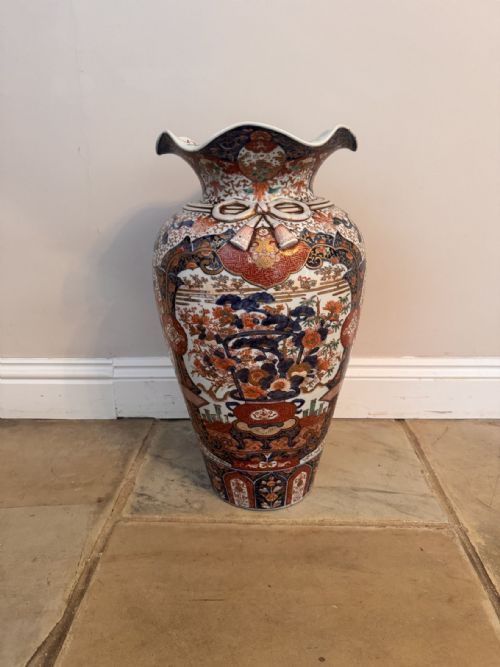
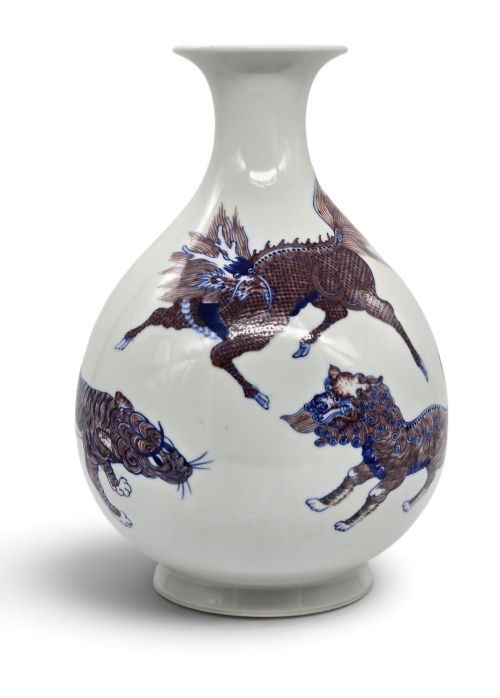
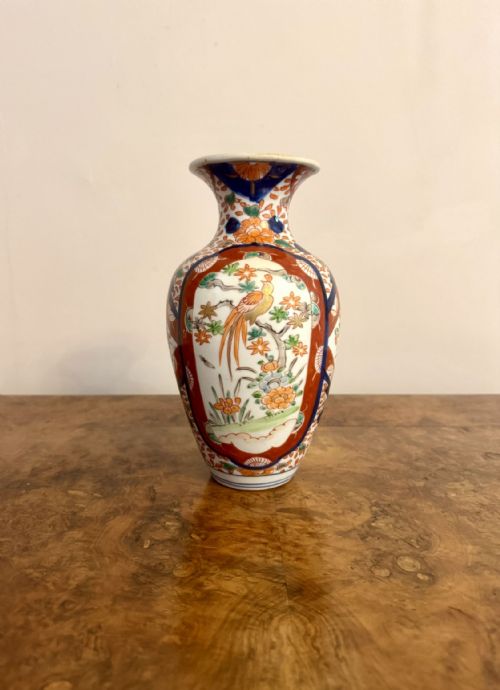
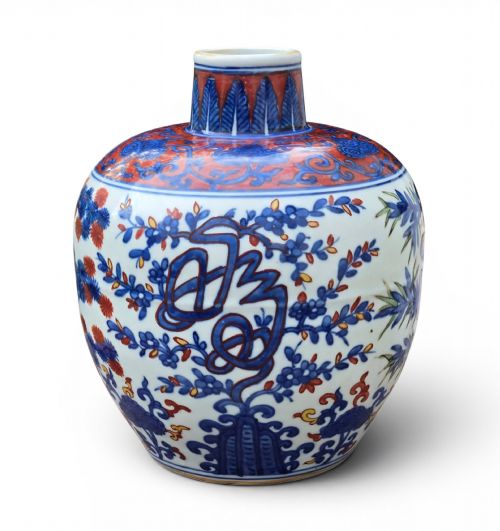
These pieces known as a blue and red vase span centuries of ceramic artistry, bringing striking cobalt and crimson palettes directly into a room.
Blue and Red Vase
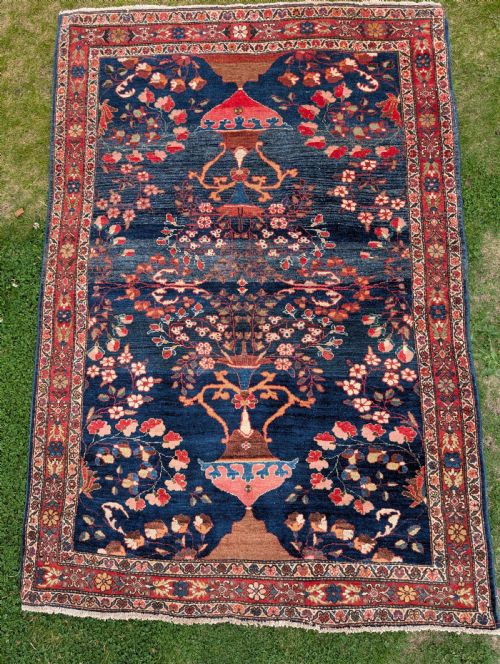
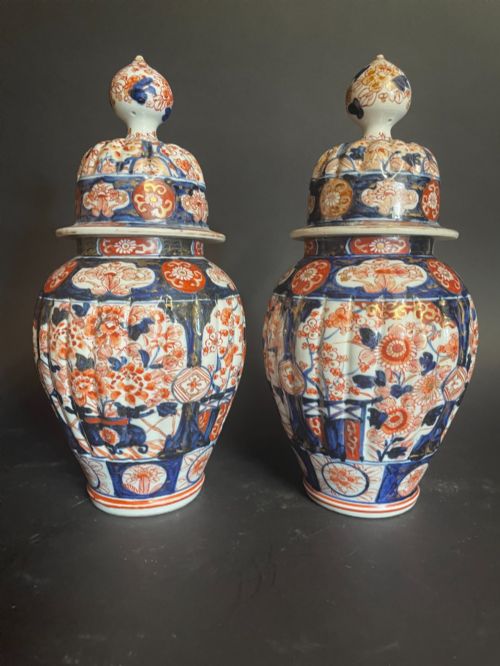
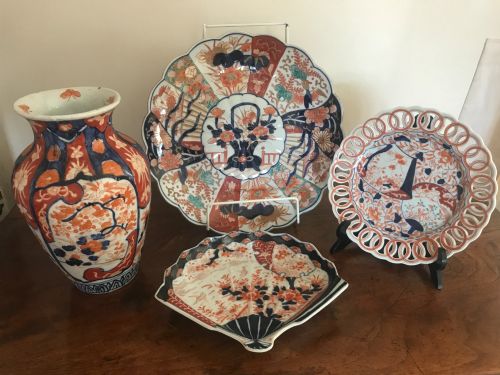
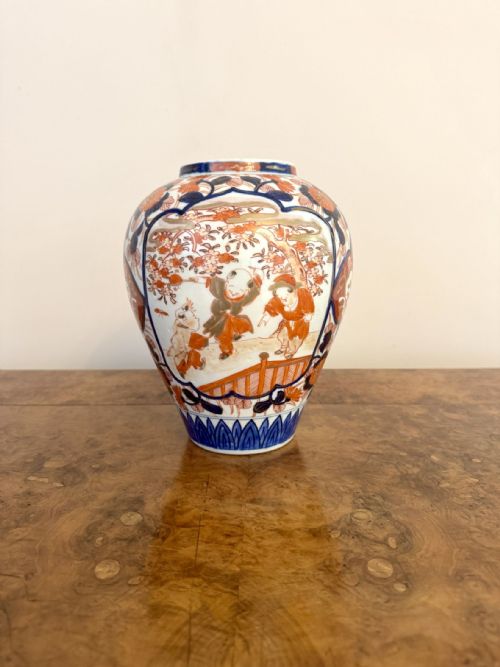
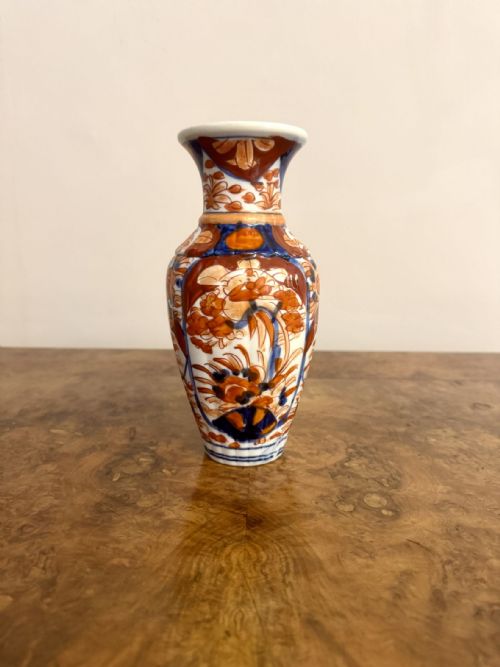
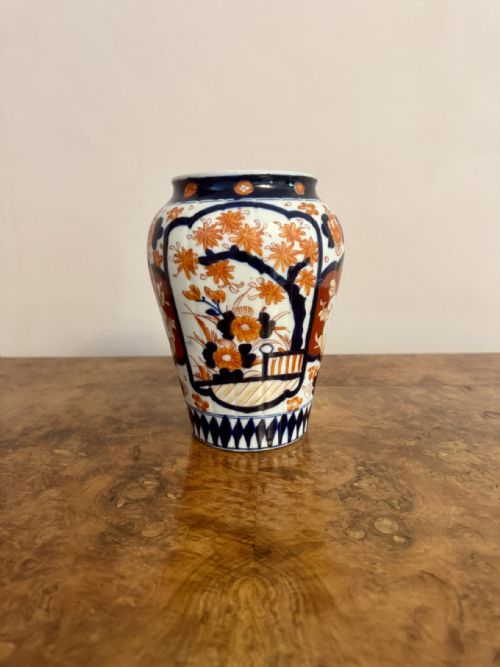
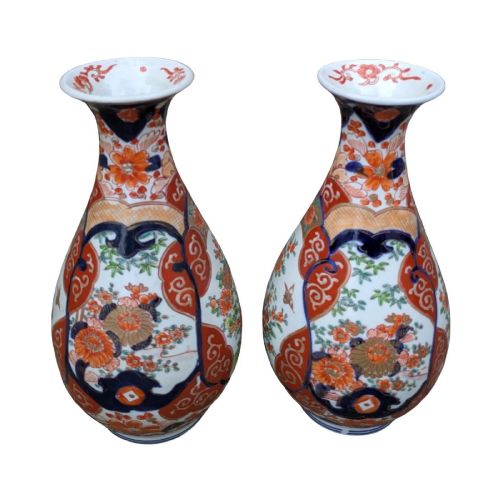
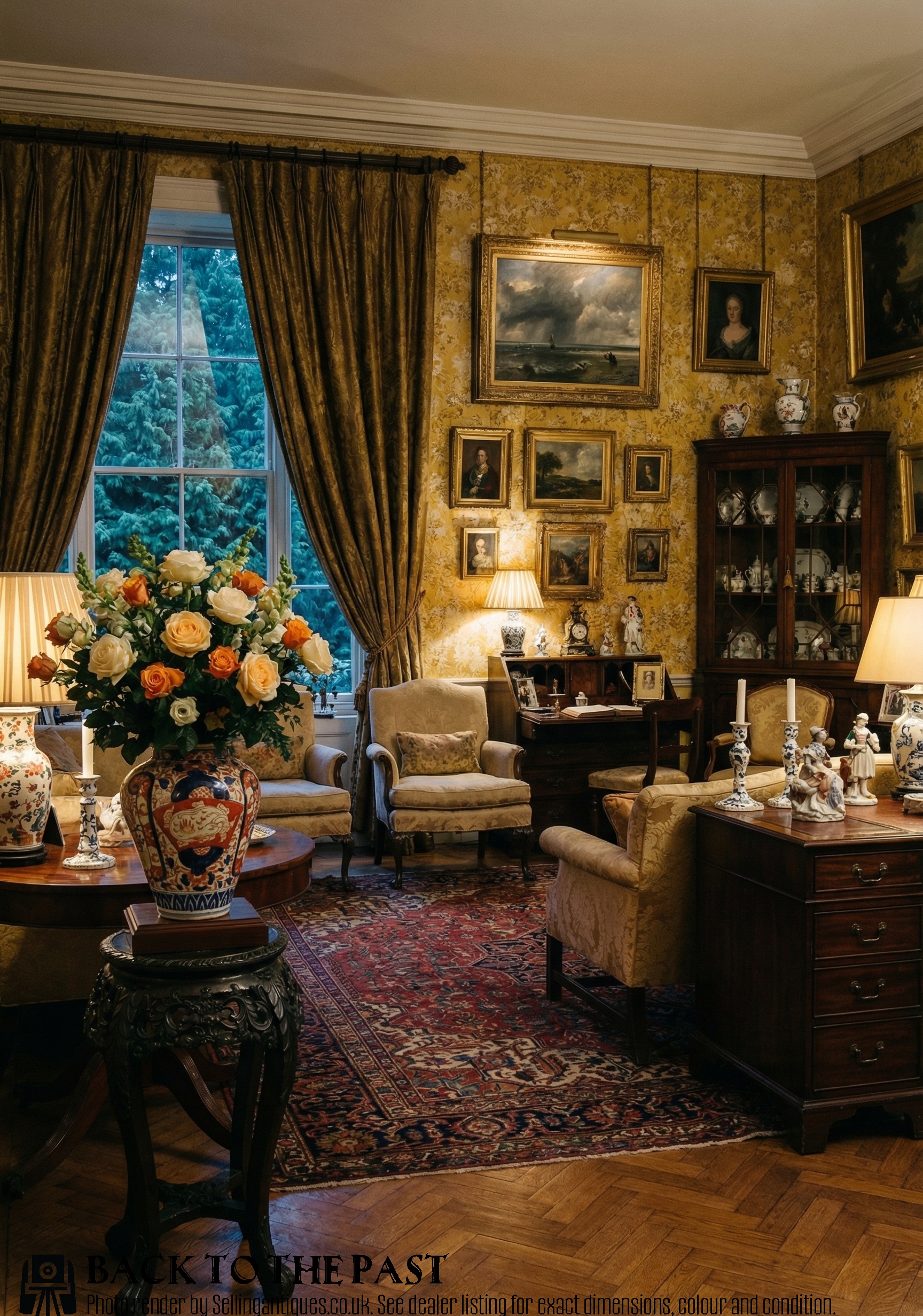
When searching for a blue and red vase, collectors encounter a diverse selection of ceramics and decorative objects crossing multiple periods and origins. The most frequent discovery on this page is the Japanese Imari vase, typically originating from the Meiji period or around nineteen hundred, alongside Persian carpets and European ironstone pieces.
The assortment includes floor-standing vessels, ginger jars with covers, double gourd shapes, and table lamps. These items range from compact bud vases to large garnitures, reflecting traditional ceramic forms from various global traditions.
How They Were Made
Potters utilised porcelain and ironstone as the primary foundations, shaping vessels on the wheel or moulding them into baluster and jar forms. Surface ornamentation relied heavily on underglaze blue and copper-red pigments, sometimes enhanced with enamel and gilding.
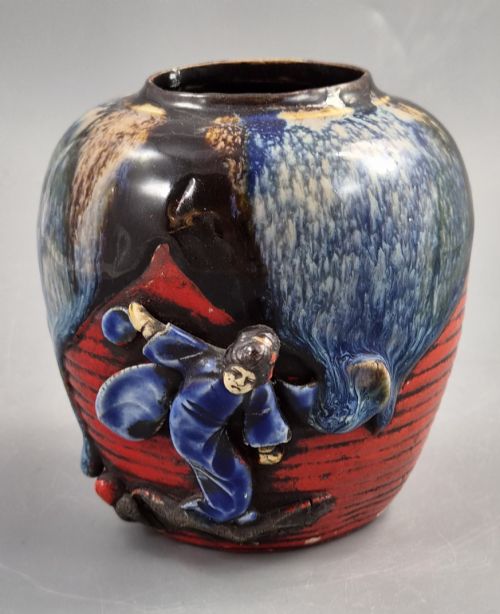
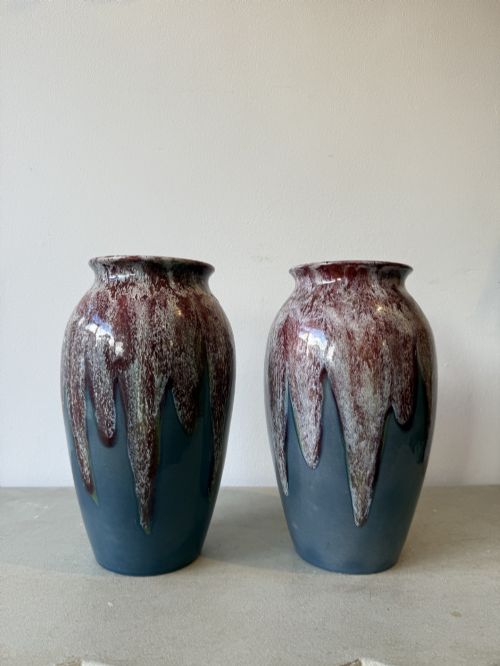
Certain Japanese pieces incorporate applied figures modelled separately and attached before firing, while Persian rugs employ wool and cotton woven with traditional dyes. Kiln techniques occasionally produced flambé glazes, creating mottled colour effects across the ceramic body.
Listings feature porcelain vessels and Persian rugs spanning the eighteenth, nineteenth, and early twentieth centuries.
What Varies in Quality
The upper tier of these pieces displays superior control in the underglaze painting, where cobalt blue and iron-red details remain crisp and well-defined without bleeding into the surrounding glaze. Finer examples exhibit balanced proportions in shaped bodies, particularly in complex forms like double gourd vases or lidded ginger jars.
Execution of applied decorative elements and the richness of any accompanying gilding or enamel work distinguish finer historical examples from simpler commercial production. Preservation of the original glaze surface and completeness in matched pairs or garniture sets further elevate the standing of individual items.
Stevenson and Hancock·Masons Ironstone
The Blue and Red Vase Glossary
- Imari
- A style of Japanese porcelain decorated in underglaze blue, iron-red, and gold, named after the port from which these goods were exported. It gained immense popularity in Europe during the Edo and Meiji periods.
- Ginger Jar
- A wide-mouthed storage jar with a rounded body, originally used for spices and porcelain preservation. In later decorative contexts, they frequently feature matching domed covers.
- Garniture
- A set of three or more matching vases or jars designed to be displayed together on a mantelpiece or cabinet. These sets often combine jars and beaker vases in graduated sizes.
- Underglaze
- A method of decorating pottery in which pigments are applied to the unfired ceramic body before glazing and firing. This technique protects the painted design beneath a glassy protective layer.
- Baluster
- A vase shape characterised by a rounded lower body that tapers towards the neck, resembling an architectural column support. It is a common silhouette in Asian and European ceramics.
Blue and Red Vase: Frequently Asked Questions
What is an Imari vase?
An Imari vase is a Japanese ceramic piece traditionally decorated in a distinct palette of cobalt blue, iron-red, and gold highlights. These items were produced primarily for export during the Edo and Meiji periods.
Such vessels often display intricate floral or panel designs and remain highly sought after by collectors of East Asian porcelain.
How do I date an antique vase?
Dating relies on examining the potting technique, glaze characteristics, base markings, and stylistic influences. Potters often used specific cobalt tones or mark stamps tied to particular reigns or centuries.
Comparing the decorative motifs against known historical periods helps narrow down the decade of production.
Where were ginger jars used?
Ginger jars originated in ancient China as practical storage containers for salt, oil, and spices such as ginger. Over time, European households repurposed them purely for decorative display.
By the nineteenth century, matching sets and single jars appeared frequently in grand drawing rooms.
Can these vases hold water?
Most antique porcelain and ironstone vessels remain structurally sound for holding water and displaying fresh stems. However, older earthenware or pieces with delicate applied elements require careful handling.
Inspection of the interior base helps determine if the glaze has remained intact over the centuries.