




Blue and Red Plate
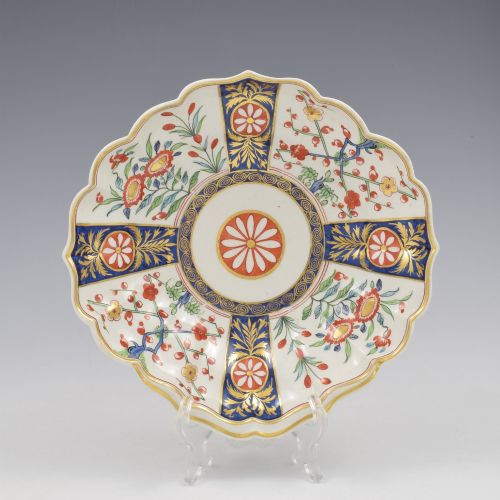
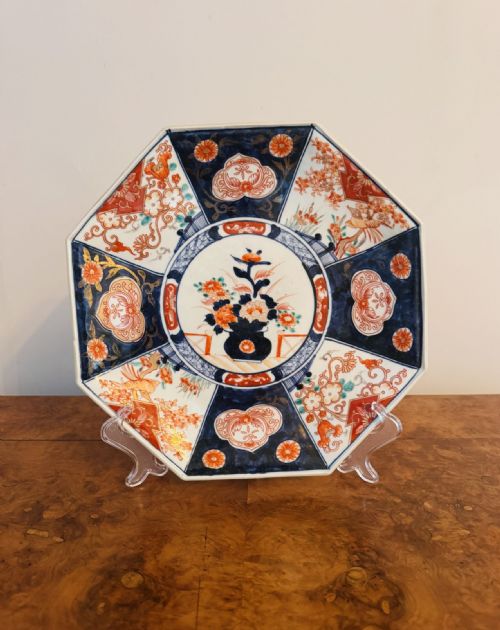
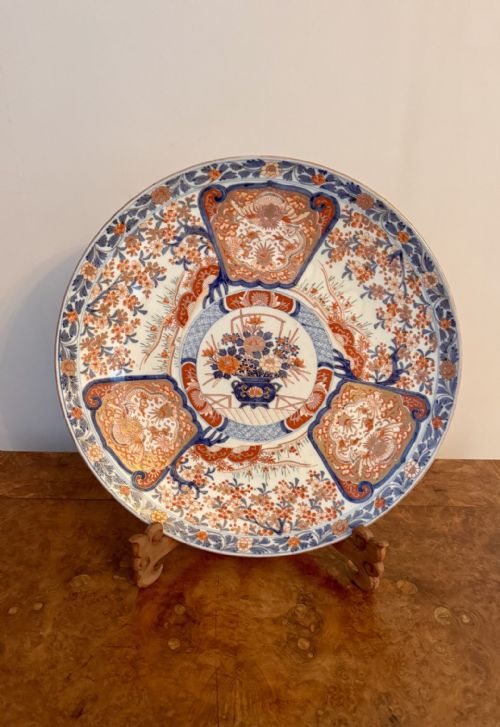
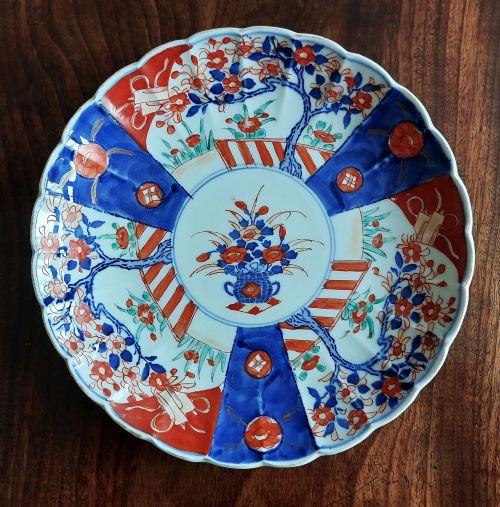
A blue and red plate brings rich cobalt and iron red tones to the table, and collectors select these pieces for their vibrant palette.
Blue and Red Plate
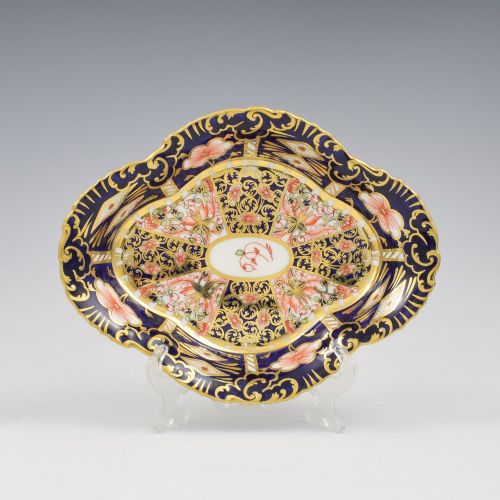
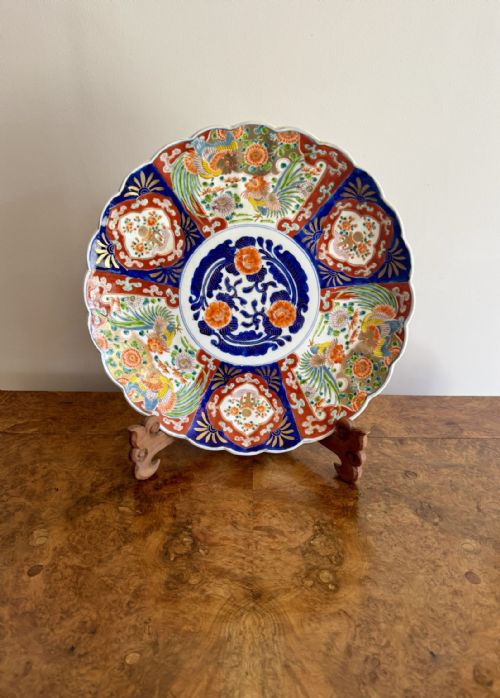
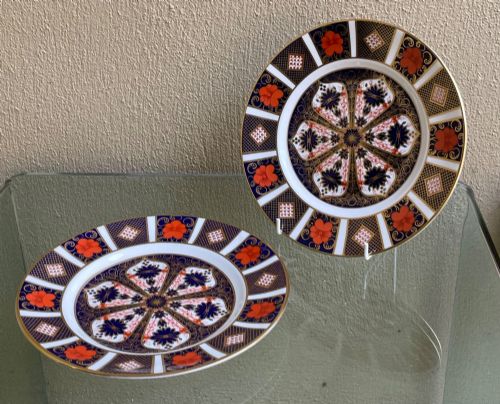
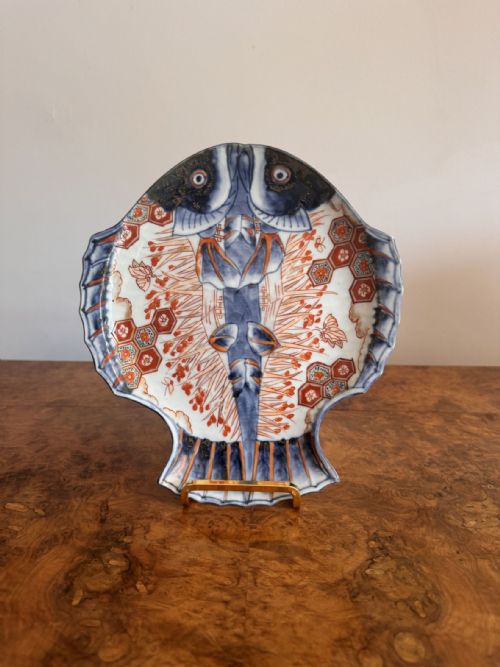
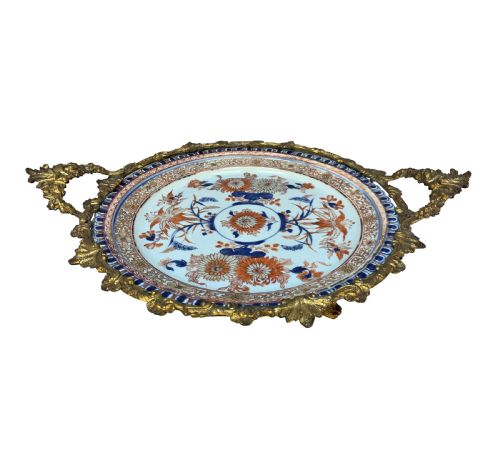
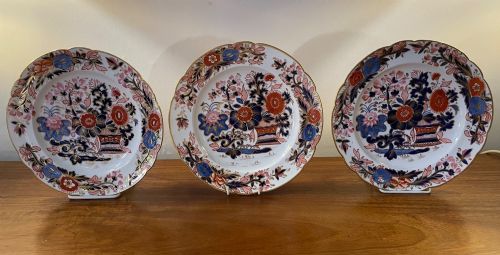
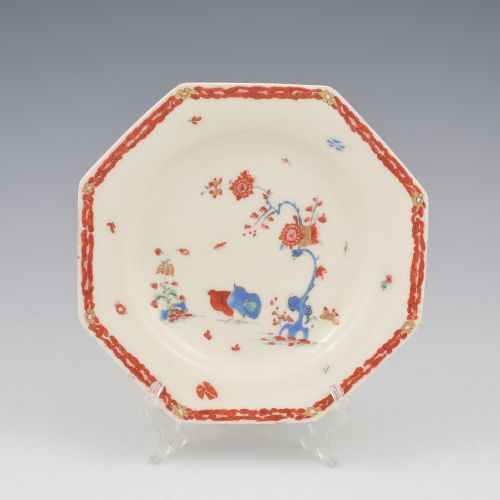
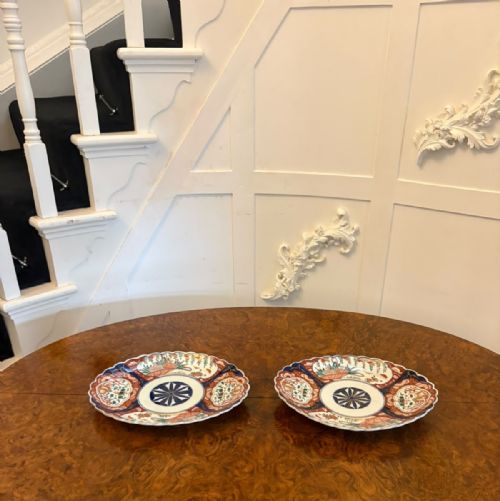
When you search for a blue and red plate, you encounter decorative plates, chargers, and dishes originating from Japanese Imari kilns, Chinese production centres, and English potteries. These items span the eighteenth, nineteenth, and twentieth centuries, taking circular, octagonal, hexagonal, and fish forms.
The version you are most likely to meet on this page is the Japanese Meiji period Imari porcelain plate or charger, frequently featuring hand-painted floral and bird designs with scalloped edges.
How they were made
Potters shaped porcelain, earthenware, ceramic, and ironstone into various plate and charger geometries, applying glaze and hand-painted pigments in cobalt blue and iron red.
Certain pieces incorporate gilding, gold leaf, and ormolu mounts to accent the ceramic body, while cloisonne examples utilise metal wirework and enamel across the surface.
Some plates abandon standard geometry entirely to take the distinct form of a swimming fish.
What varies in quality
The strength and precision of the hand-painted cobalt blue and iron red decoration distinguish higher grades from simpler output, alongside the crispness of moulded edges such as scalloped or hexagonal contours.
The purity of the porcelain body and the integration of supplementary elements like gold leaf or ormolu mounts mark the distinction between standard domestic items and exhibition pieces.
Royal Crown Derby·Wedgwood
The Blue and Red Plate Glossary
- Imari
- A style of ceramic originating in Japan, characterised by a palette of cobalt blue, iron red, and gold. This decorative scheme was widely copied by European and Chinese potteries.
- Charger
- A large decorative plate used for display or as a base for other courses. These pieces often feature intricate painted borders.
- Ironstone
- A type of durable earthenware developed in England during the nineteenth century. It provided a robust alternative to porcelain for dinnerware and comports.
- Cloisonne
- A technique where enamel is applied within compartments formed by flat metal wire soldered to a metal base. Nagoya production centres produced notable examples.
Blue and Red Plate: Frequently Asked Questions
How were these plates used?
These pieces served as functional tableware for dining or as decorative chargers displayed on walls and surfaces. Large chargers were frequently set on sideboards to showcase the painted design.
Smaller dishes functioned within dinner services for serving food, while distinct geometric forms like fish-shaped plates held specialised roles at the table.
How do I identify Japanese Imari?
Japanese Imari is recognised by its distinct palette combining underglaze cobalt blue and overglaze iron red, typically enriched with gilding. The motifs frequently incorporate floral and bird compositions.
Edo and Meiji period pieces display varying degrees of refinement in the brushwork and the whiteness of the porcelain body.
What is ironstone china?
Ironstone is a heavy, durable ceramic material patented in the nineteenth century to provide a strong substitute for porcelain. English factories utilised this body for comports and dinner services.
Pieces made from ironstone display a dense, opaque quality that withstands daily use while accepting traditional patterns.
Are these plates meant for display?
Many larger chargers and decorative plates were produced specifically for visual display rather than dining use. Their substantial size and detailed borders suit wall mounting or cabinet presentation.
Plates with delicate gilding or ormolu mounts benefit from careful placement where handling is minimised.