

Blue and Orange Imari
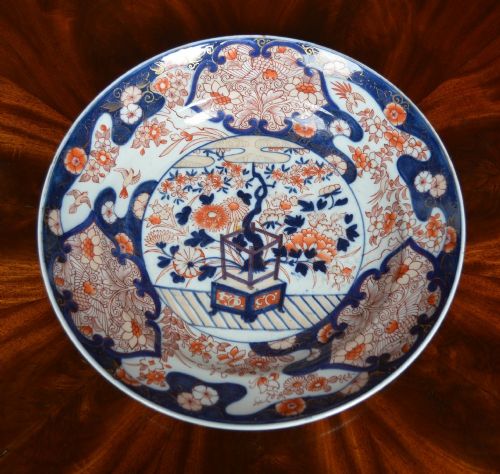
Blue and orange imari ceramics combine rich cobalt cobalt and iron red enamel work to deliver striking visual contrast for any interior.
Blue and Orange Imari
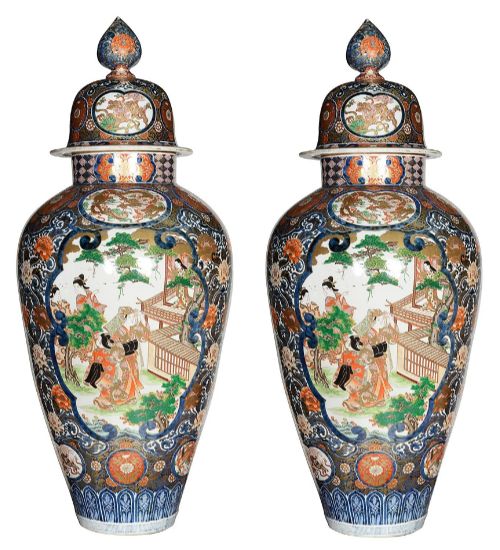
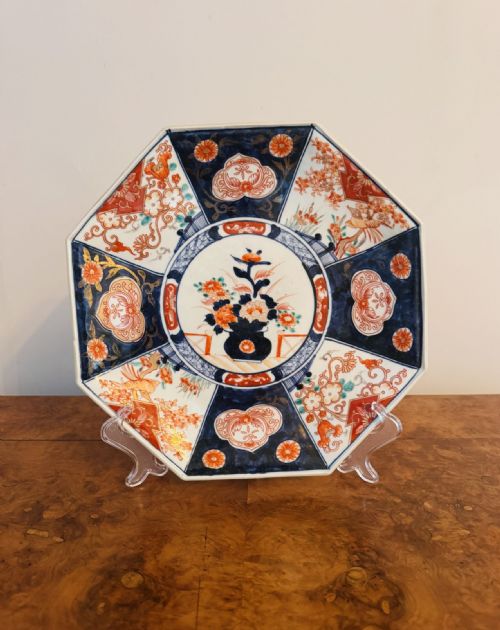
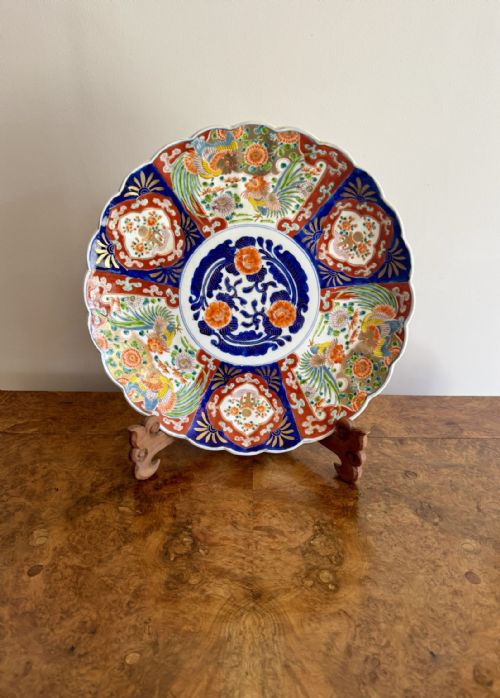
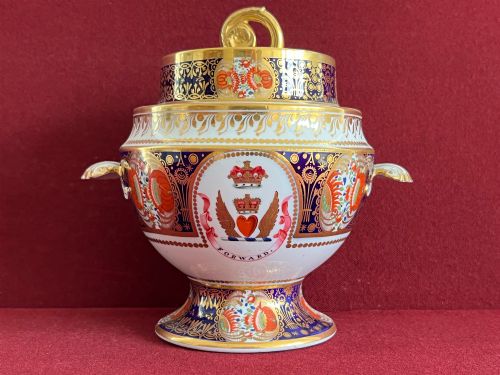
Blue and orange imari covers a range of export porcelain and earthenware produced across different centuries, from Japanese Arita workshops to English potteries like Spode, Mason's, and Royal Crown Derby. When searching for blue and orange imari, buyers encounter pieces spanning the Georgian, Regency, Victorian, and Meiji periods.
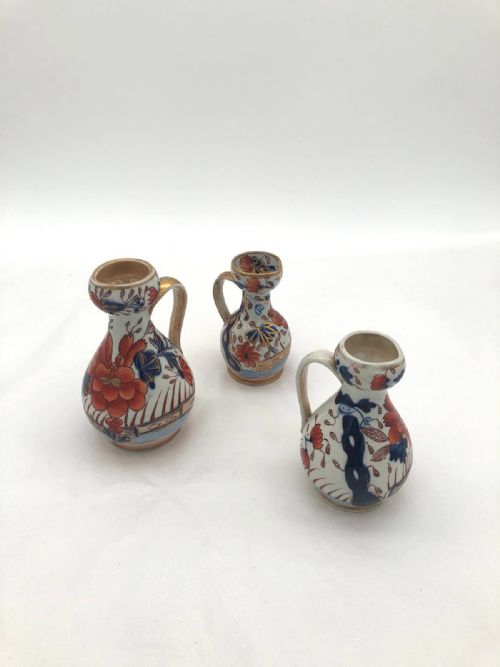
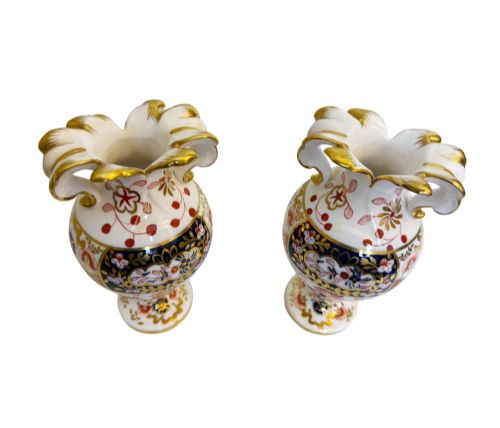
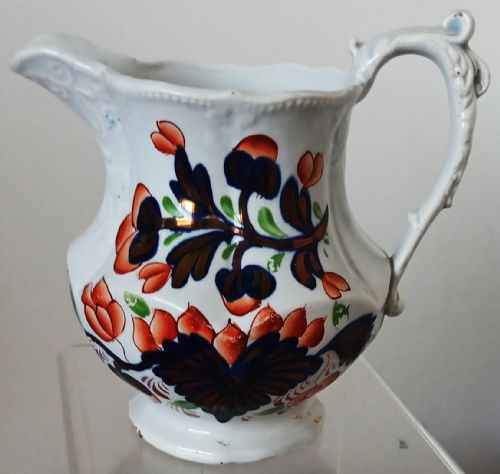
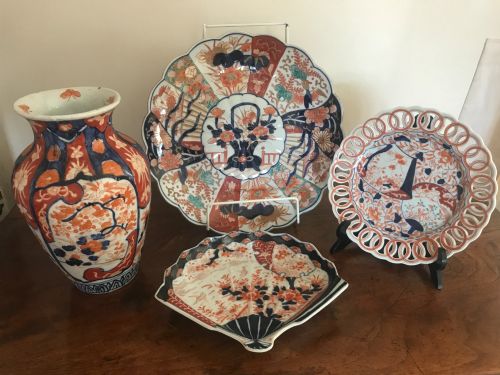
The most common forms found on this page are decorative plates, chargers, and vases, alongside jugs, pitchers, and comports. These objects reflect traditional Japanese motifs alongside adapted English interpretations such as Japan pattern ironstone and Gaudy Welsh pottery.
Materials and Technique
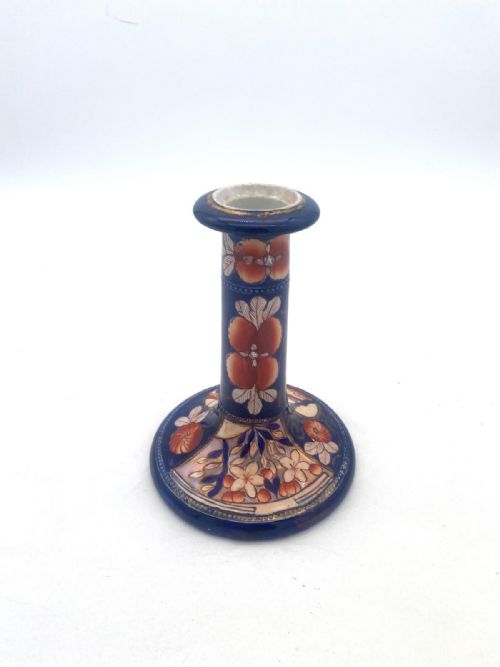
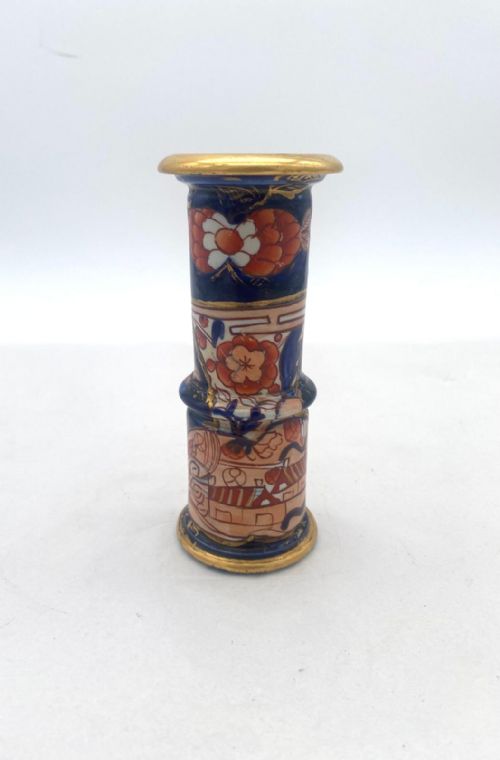
Potters built these items using porcelain, ironstone, and earthenware, applying cobalt blue underglaze paint before firing. Artisans then added vibrant orange enamel and gold leaf accents over the glaze, often requiring secondary firings to fuse the colourful pigments to the ceramic body.
The combination of heavy ironstone bodies in English factories and fine porcelain in Japanese kilns produced diverse weights and textures. Gilt highlights and hand-painted enamel details complete the surface decoration across both imported and domestic wares.
Listings feature items from the Georgian, Regency, Victorian, Edwardian, and Meiji periods, utilising porcelain, ironstone, and earthenware.
Assessing Quality and Execution
The distinction between standard domestic items and superior examples lies in the precision of the hand-painting and the crispness of the enamel work. Finer pieces display cleanly applied cobalt outlines and neatly registered orange and gilt fills without smudging.
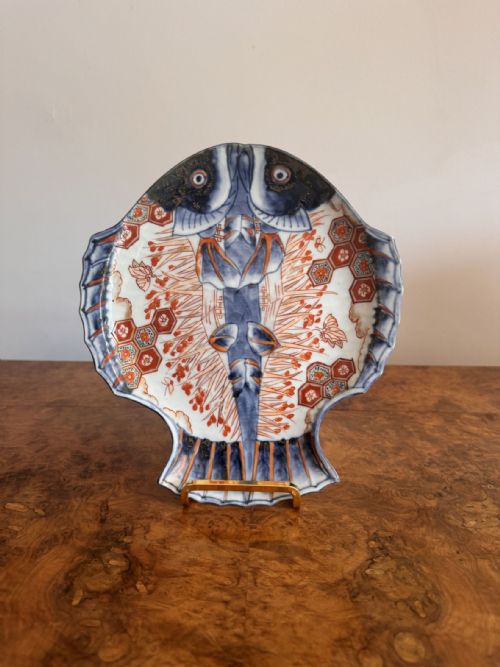
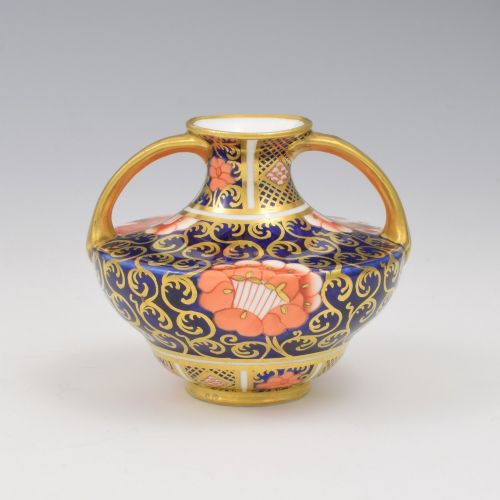
Moulding quality also dictates value, particularly in sculptural items such as fish-shaped plates, hexagonal vessels, and twin-handled vases. Sharper relief moulding and balanced proportions separate exceptional studio or factory output from routine production.
Chamberlain Worcester·Mason's Ironstone·Spode·Royal Crown Derby·John Davenport of Longport
The Blue and Orange Imari Glossary
- Imari
- A style of ceramic decoration originating in Japan and later copied in Europe, characterised by a palette of cobalt blue, iron red, and gold. This aesthetic heavily influenced English porcelain manufacturers during the Georgian and Victorian eras.
- Ironstone
- A type of durable earthenware patented in the nineteenth century by English potteries to imitate porcelain. It provides a heavy, robust body suitable for tableware like jugs, comports, and tureens.
- Enamel
- Opaque glass applied over a fired glaze and heated again to fuse decorative colours. It gives blue and orange imari wares their characteristic raised, vibrant red and secondary hues.
- Gilt
- Gold leaf or powdered gold applied to the ceramic surface as a final decorative flourish. It outlines panels and highlights motifs across Japanese and English pieces alike.
Blue and Orange Imari: Frequently Asked Questions
What is blue and orange imari?
Blue and orange imari refers to ceramics decorated in a distinctive palette combining underglaze cobalt blue with iron red enamel and gold highlights. This decorative scheme bridges traditional Japanese export wares from the Edo and Meiji periods with nineteenth-century English interpretations by factories like Spode and Mason's.
Buyers searching this term encounter various forms, including decorative plates, lidded vases, footed comports, and domestic jugs. The style unites Eastern export traditions with European revivalist taste.
How do I date these pieces?
Dating blue and orange imari relies on examining the ceramic body, glaze characteristics, and factory marks where present. Japanese pieces often align with the Meiji period or earlier Edo traditions, while English equivalents typically carry marks from the Georgian, Regency, or Victorian eras.
Form and pattern names, such as specific School House or Japan designs on ironstone, also help narrow the production window. Comparing potting weight and enamel texture provides further clues to age.
How were these ceramics used?
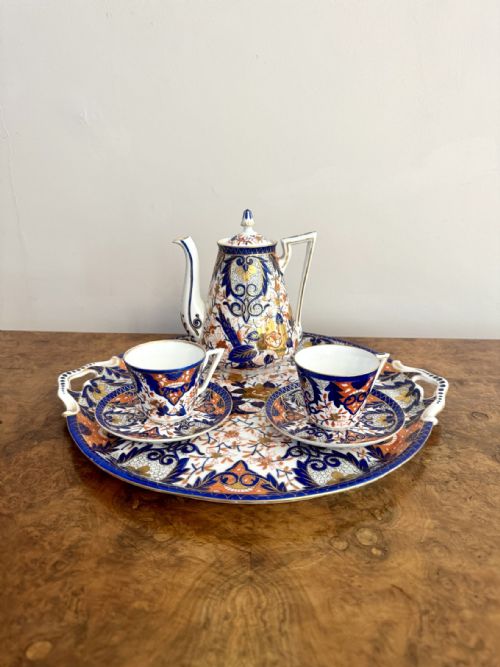
Many blue and orange imari items served functional roles in historic households as tableware, coffee sets, sauce tureens, and water jugs. Comports and large chargers were designed for serving food or displaying fruit during formal dining.
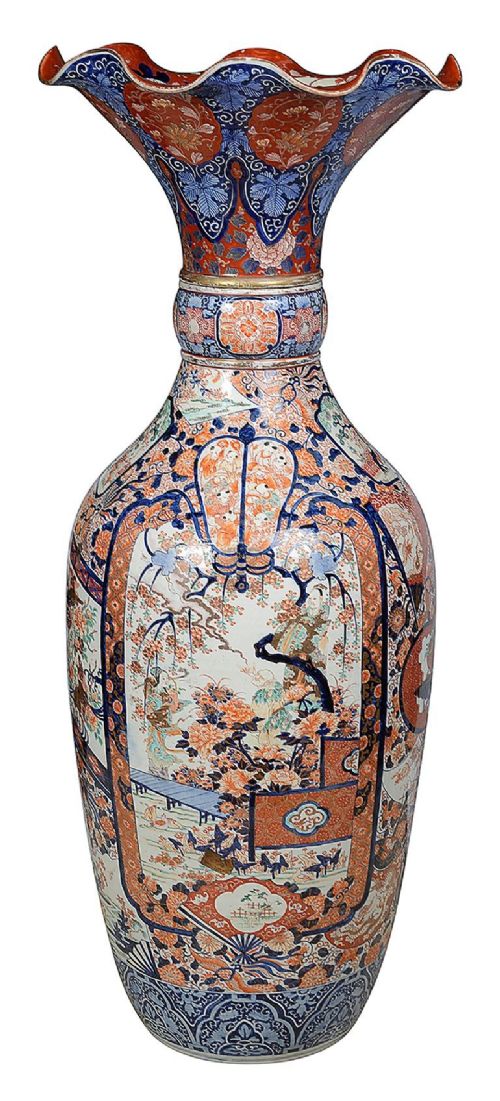
At the same time, large lidded vases, jardinières, and decorative plates functioned primarily as interior ornamentation. Their bold colours made them prominent display pieces in nineteenth-century drawing rooms.
How do I care for antique imari?
Antique imari requires careful handling due to the fragile nature of overglaze enamels and gold leaf accents. Hand washing in lukewarm water with mild soap preserves the delicate surface decoration, avoiding abrasive scrubbers or modern dishwashers entirely.
Displaying pieces away from direct sunlight protects the orange and red enamel pigments from fading over time. Secure placement on stable surfaces prevents accidental tipping of tall vases and footed bowls.