



Blue and Bronze Lighting
Blue and bronze lighting brings together glazed ceramic and chased metal to illuminate rooms with nineteenth-century decorative craft.
Blue and Bronze Lighting
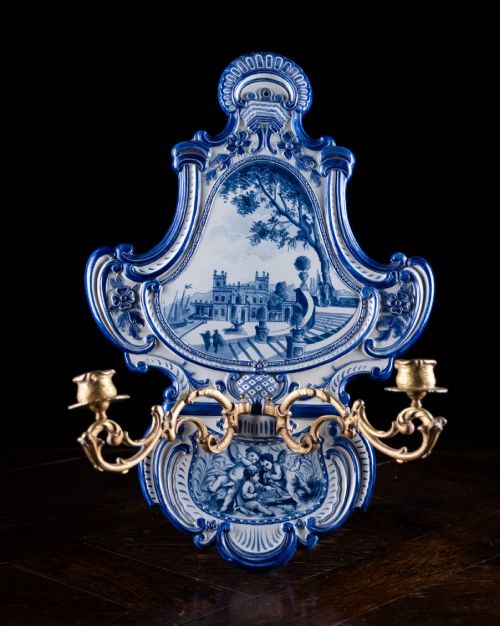
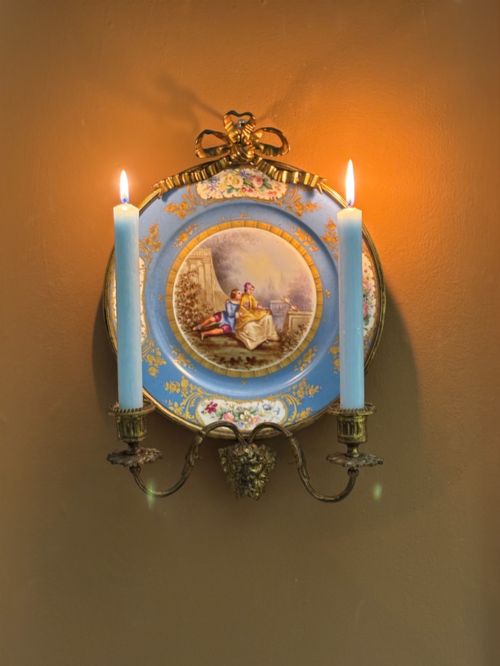
Blue and bronze lighting encompasses table lamps, wall sconces, and candelabra created primarily during the nineteenth century across European and Asian traditions. Buyers encounter glazed ceramic bodies paired with gilt metal mounts, drawing heavily on French Rococo Revival and Louis XVI design vocabulary.
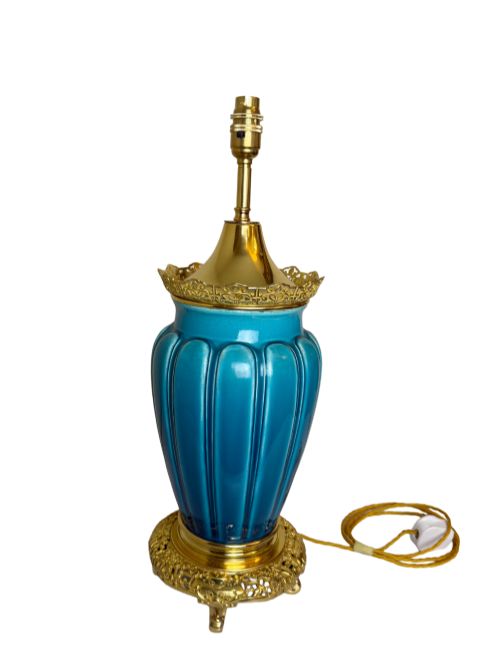
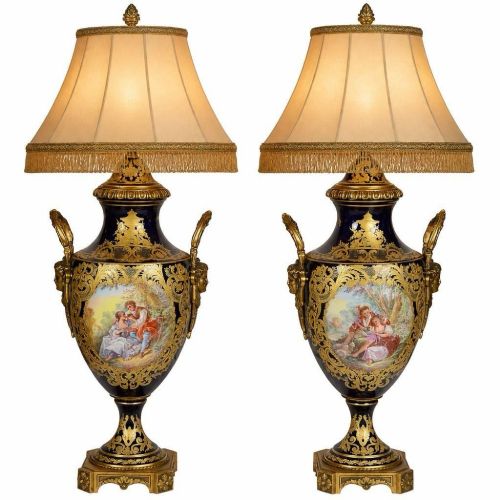
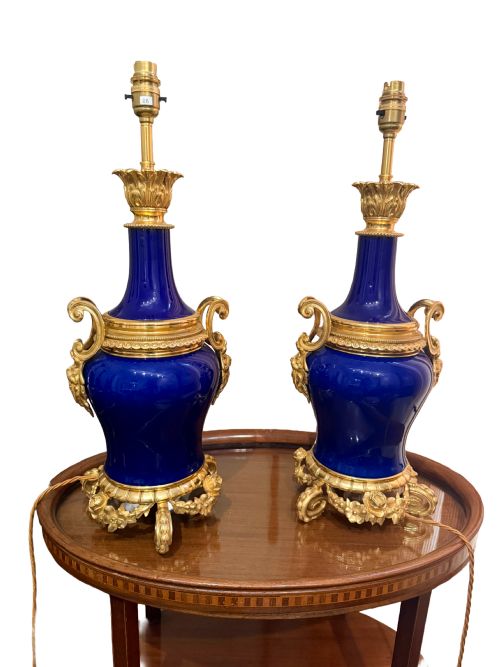
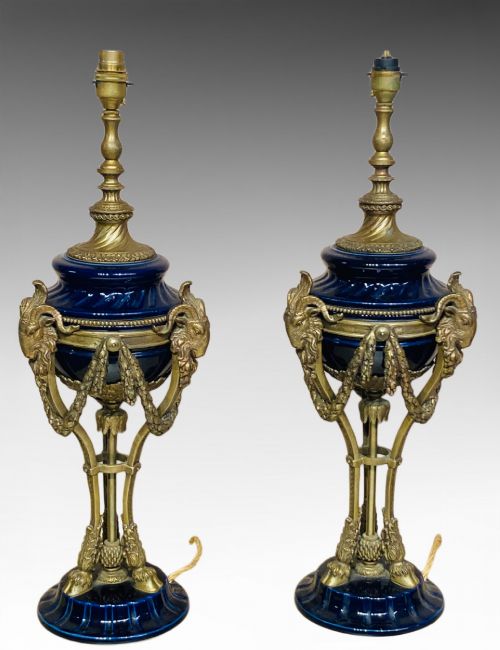
Conversion pieces dominate the selection, where earlier ceramic vases or jars from Sevres and Chinese kilns receive metal mountings to serve as lamps. Pairs of matched candelabra and handled urns adapted for electricity sit alongside original oil and candle fittings.
Materials and construction
Constructed by uniting fired ceramic or glass bodies with cast and chased bronze, ormolu, and gilt brass mounts. Porcelain elements often feature hand-painted cobalt or turquoise glazes, sometimes enhanced with enamel or micro mosaic detailing.
Metal components undergo casting and fire gilding to create bright decorative highlights that secure the ceramic vessels. Wiring additions and conversions adapt historical candlesticks and vases for modern domestic illumination while retaining original structural mounts.
Blue and Bronze Lighting Retail Price Guide 2026
Typical asking prices for blue and bronze lighting among the pieces listed under this phrase on Sellingantiques today, from the lower quarter to the upper quarter. They describe what is for sale here now, not the wider market.
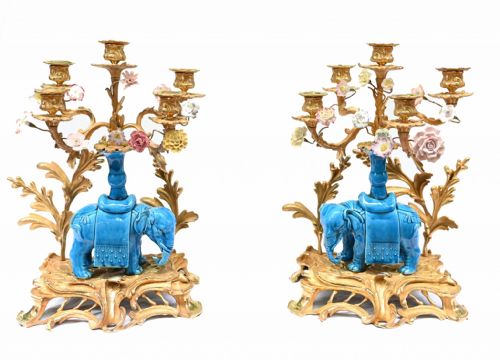
Several heavy porcelain elephants manage to double as dignified nineteenth-century candelabra bases.
Evaluating craftsmanship
Quality rests in the crispness of the bronze chasing and the precision with which the metal mounts fit the contours of the ceramic body. Hand-painted ceramic details and depth of glaze colour separate finer studio output from standard production pieces.
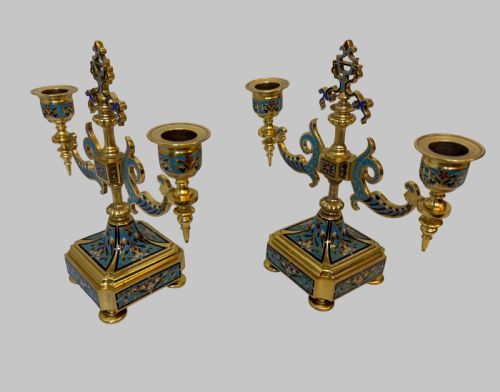
The integrity of the original porcelain or glass, combined with the weight and detailing of the cast ormolu, dictates the overall standard of the object. Integrated figural elements and complex champleve enamel work indicate higher workshops.
Tiffany Studios NYC
The Blue and Bronze Lighting Glossary
- Ormolu
- Finely chopped gold applied to a bronze base using a mercury amalgam before firing. This technique produces a durable golden finish characteristic of French decorative metalwork.
- Sevres
- A French porcelain manufactory known for luxury ceramic production. Pieces attributed to this tradition often display rich blue glazes paired with ornate gilt mounts.
- Cloisonne
- An enamel technique where metal wires form raised partitions on a surface to hold coloured pastes. These compartments are subsequently fired and polished flat.
- Champleve
- An enamelling method where troughs are gouged directly into a metal plate and filled with vitreous enamel. The piece is then fired and ground smooth.
- Celadon
- A pale green or grey-green glaze applied to ceramics, originating in East Asian kilns. Surviving examples frequently appear mounted as nineteenth-century lamps.
Blue and Bronze Lighting: Frequently Asked Questions
Are these lamps converted from old vases?
Many lamps utilise nineteenth-century ceramic vases, ewers, and ginger jars that were fitted with electrical wiring during later periods. Original oil and candle fittings remain on untouched candelabra and sconces.
Conversion work allows decorative ceramic vessels from various Asian and European traditions to function safely in modern settings while preserving historical bodies.
How do I identify French style mounts?
French mounts typically exhibit cast acanthus leaves, ribbon twists, and scrollwork executed in gilt bronze or ormolu. These elements reflect neoclassical and rococo revival tastes popular during the nineteenth century.
Craftsmen shaped the metal to grip the shoulders and bases of porcelain vessels securely, often incorporating handles and feet into a unified design.
What maintenance do gilt bronze mounts require?
Gilt bronze and ormolu require gentle dusting with a soft dry cloth to prevent the accumulation of dirt within the chased crevices. Avoid chemical cleaners and polishes that strip the historic gold surface.
Keeping metal surfaces free of moisture preserves the original fire-gilt finish on nineteenth-century fixtures over decades of domestic display.
How are different blue ceramic glazes classified?
Ceramic blues range from deep cobalt tones found in painted porcelains to pale turquoise and brilliant bleu celeste hues. Asian imports introduce celadon and blue-and-white patterns alongside monochrome glazes.
Each shade correlates with specific firing temperatures and pigment recipes used by European and Asian potteries during the nineteenth century.