
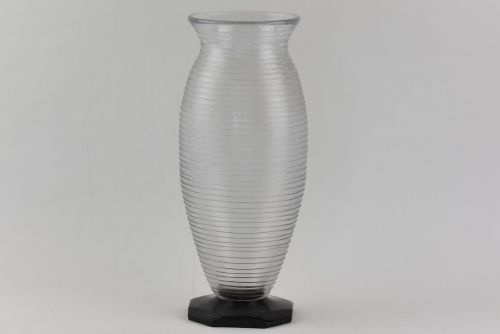

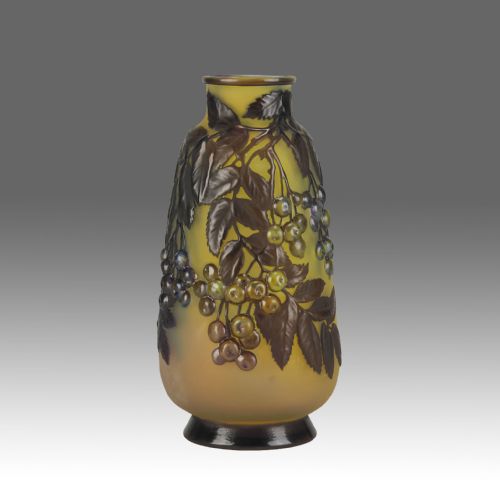


Blown Art Glass Vase
A blown art glass vase brings colour and tactile form to a room, offering fluid shapes shaped by the glassblower's breath.
Blown Art Glass Vase
When you search for a blown art glass vase, you encounter vessels shaped by heat and air across the Victorian era through the twentieth century. These pieces range from tall trumpet forms to compact posy vessels, representing diverse design movements.
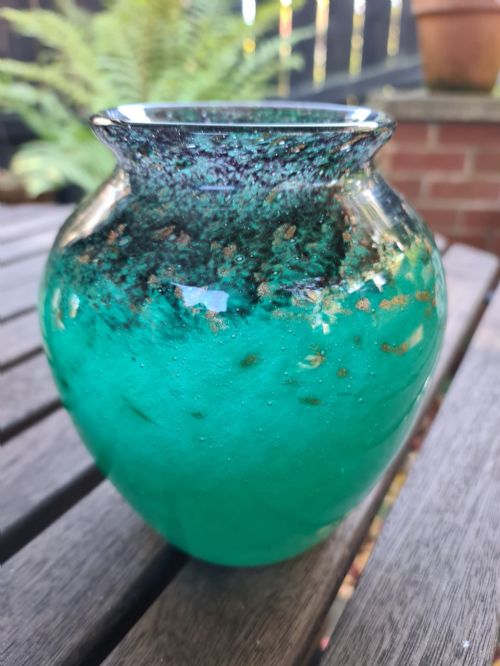
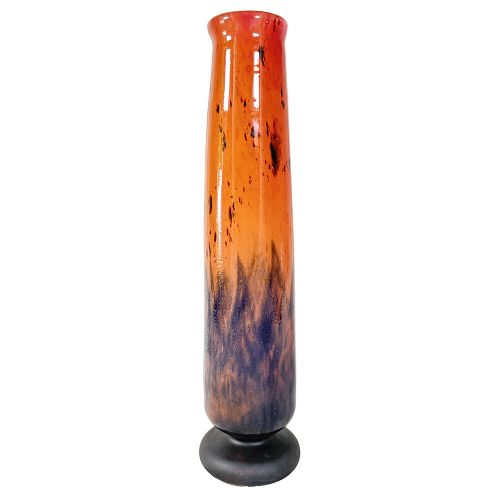
The versions you are most likely to meet on this page span the decorative excesses of Art Nouveau and the cleaner geometric lines of Art Deco. Makers utilised techniques like cameo layering and aventurine inclusions to build depth within the material.
Originating from British, French, Italian, and other European workshops, these objects demonstrate various methods of hot manipulation. Pieces incorporate clear glass, cranberry glass, and opaque coloured layers to achieve distinct visual effects.
How they were made
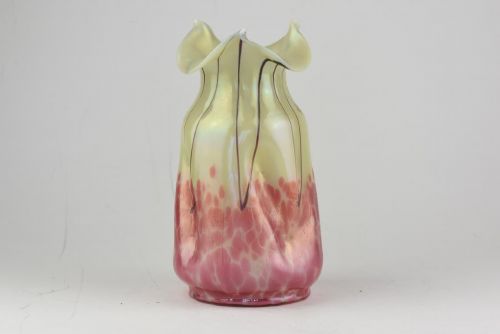
Makers shaped these vessels by gathering molten metal on a blowpipe and inflating it manually, often incorporating optical moulds to pattern the body. Skilled artisans manipulated the hot material using tools to stretch rims, pull trails, and apply contrasting glass elements.
Specific decorative techniques involved casing multiple layers of differently coloured glass, which could then be etched using acid in cameo processes. Workshops also introduced metallic inclusions like aventurine or combined the glass with wrought iron mounts.
Listings feature Victorian cranberry glass alongside twentieth-century Art Deco and Art Nouveau pieces.
What varies in quality
The distinction between standard production and exceptional work rests on the dexterity of the hot manipulation and the complexity of the colour palette. Superior examples display precise control over wall thickness, harmonious proportions, and deliberate integration of internal optical effects.
Workmanship also shows in the finish of the pontil mark and the sharpness of cameo or applied decoration. Pieces designed by notable figures or produced in recognised workshops generally exhibit greater refinement in surface texture and silhouette.
Vasart Glass·Daum·Pallme Konig·Gallé·Schneider·Stuart·James Powell·Monart·Vittorio Zecchin·Venini·AVEM
The Blown Art Glass Vase Glossary
- Pontil mark
- The rough scar left on the base of a vessel where the punty rod was attached during manufacture. Skilled makers often ground and polished this area smooth.
- Cased glass
- A method where a vessel is formed from two or more distinct layers of glass, frequently in contrasting colours. This allows makers to carve through the outer layer to reveal the contrasting tone beneath.
- Aventurine
- A type of glass containing suspended metallic particles, often copper, which create a shimmering or sparkling effect within the material. It was utilised by makers to add rich light reflections.
- Cameo glass
- A luxury technique involving multiple fused layers of glass that are carved or acid-etched to create relief designs. The process requires immense patience and precision from the artisan.
- Jack in the pulpit
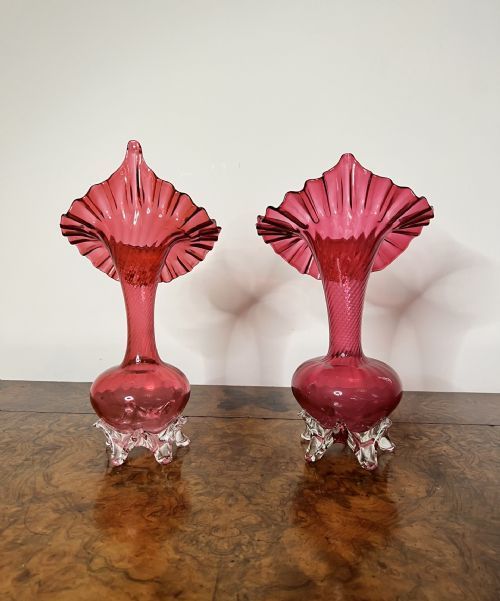
- A descriptive term for a vase featuring a distinctive flared, undulating rim that resembles a woodland flower. This organic silhouette was particularly popular during the Victorian and Art Nouveau periods.
Blown Art Glass Vase: Frequently Asked Questions
How do I date a glass vase?
Dating relies on stylistic markers such as the flowing organic curves typical of Art Nouveau or the sharp geometric profiles of Art Deco. Material choices like cranberry glass or cameo layers also align with specific manufacturing eras.
Examining the base for pontil preparation and maker signatures provides additional chronological context. Comparing the manufacturing technique against known historical periods helps narrow down the origin.
What is art glass?
Art glass refers to high-aesthetic glassware produced primarily as sculptural or decorative items rather than purely utilitarian tableware. These pieces showcase experimental techniques in colouring, shaping, and surface decoration.
Such objects are typically produced in limited quantities or specialised workshops by skilled glassblowers. They emphasise artistic expression over mass production.
Where were these pieces made?
Production centres were concentrated in European glassmaking regions, notably France, Italy, Britain, and Bohemia. Each region developed distinct traditions in colour chemistry and furnace techniques.
Venetian workshops specialised in vibrant transparency, while French and British makers excelled in layered cameo and textured effects. These regional styles define the character of individual pieces.