


Blond Wood Bookcase
A blond wood bookcase brings pale warmth to a room, offering clean grain and practical shelving for a collection of books.
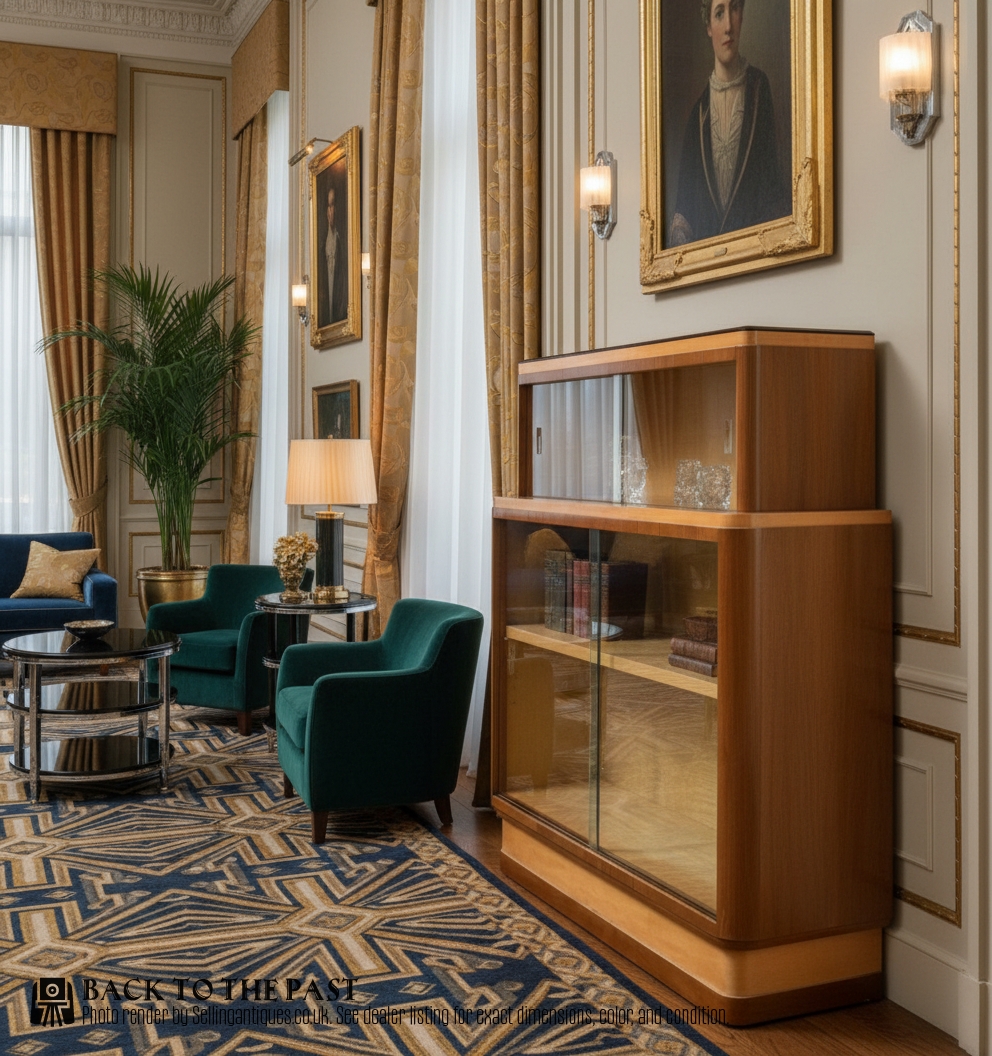
Blond Wood Bookcase
A blond wood bookcase provides light-toned storage for books and display pieces, drawing on pale timbers like birch, sycamore, and maple. These cabinets range from open shelving units to glazed display pieces designed to keep volumes protected.
The versions met most frequently on this page belong to the early twentieth century, particularly the Art Deco era and Swedish Grace movements. Makers utilised the natural figure of light woods to create striking geometric and clean-lined furniture.
Earlier examples also appear, reaching back to Victorian pieces and nineteenth-century French styles such as Charles X. These older variations often combine paler carcases with contrasting darker details or rich burr veneers.
How they were made
Cabinet makers constructed these pieces using solid timbers alongside carefully selected veneers applied to carcases. Burr walnut, burr elm, and birch veneer create swirling patterns across flat surfaces while maintaining structural stability.
Materials recorded across these listings include birch, sycamore, burr walnut, burr elm, and bird's eye maple.
What varies in quality
Quality rests significantly in the selection and matching of the wood grain across the doors and panels. Master makers arranged veneers so that natural patterns mirrored symmetrically, creating a cohesive visual rhythm.
Construction methods and hardware also dictate the standing of a piece, from simple open shelves to complex cabinets with fitted glass doors and quality metal mounts. The precision of the joinery and the depth of the timber finish separate standard utilitarian storage from high-style decorative furniture.
Epstein·Sandberg & Co
The Blond Wood Bookcase Glossary
- Sycamore
- A pale hardwood often used in lighter furniture pieces, known for its smooth texture and subtle grain. It frequently appears in twentieth-century English and continental designs.
- Ormolu
- Gilt bronze mounts applied to furniture as decorative hardware, common in nineteenth-century French pieces. These cast metal details add contrast against pale burr maple and walnut timbers.
- Birch
- A pale, durable hardwood featuring a fine grain, widely utilised in Scandinavian furniture design. Swedish makers employed birch and its veneers to achieve clean, luminous surfaces.
- Display cabinet
- A storage piece featuring glass panels in the doors to showcase books or decorative objects. These units protect contents from dust whilst maintaining visual access to the interior.
Blond Wood Bookcase: Frequently Asked Questions
What is a blond wood bookcase?
A blond wood bookcase is a shelving unit or cabinet constructed from pale timbers such as birch, sycamore, maple, and light elm. These pieces provide functional storage while brightening interior spaces with natural light tones.
Examples span various periods from the nineteenth century through to Art Deco designs of the 1930s. They range from simple open front shelves to glazed cabinets enclosed with timber doors.
How do I care for a birch bookcase?
Keep pale wooden furniture out of direct sunlight to prevent the timber tones from darkening or fading unevenly. Dust regularly with a soft, dry cloth and avoid harsh chemical polishes that can damage the finish.
Maintain a stable room humidity to prevent the wood veneers from drying out or lifting over time. Treat the surfaces gently to preserve the natural lustre of the grain.
Where do Swedish blond wood bookcases come from?
Swedish blond wood bookcases originate from early twentieth-century Scandinavia, reflecting clean design movements like Swedish Grace. These pieces make extensive use of native birch and light veneers.
Master craftsmen in Sweden focused on proportion and the natural beauty of pale timber grains. Their work often avoided heavy ornamentation in favour of sleek, functional elegance.
Are Art Deco blond wood bookcases rare?
Art Deco blond wood bookcases capture the design spirit of the 1930s, utilising striking veneers like sycamore and burr walnut. Many pieces combine contrasting dark and light woods to create bold geometric patterns.
Cabinet makers of this period produced glazed display cabinets and low open shelving units for modern homes. Their survival depends on the durability of the underlying carcase and the stability of the decorative veneers.