


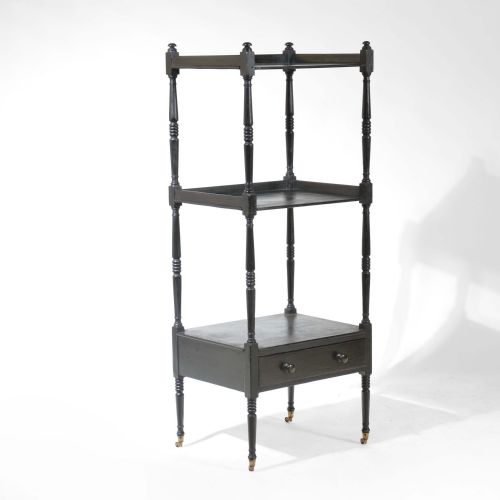

Black Wooden Display Stand
These black wooden display stand pieces offer dark-toned support for your ornaments and plants, bringing distinct height to a room.
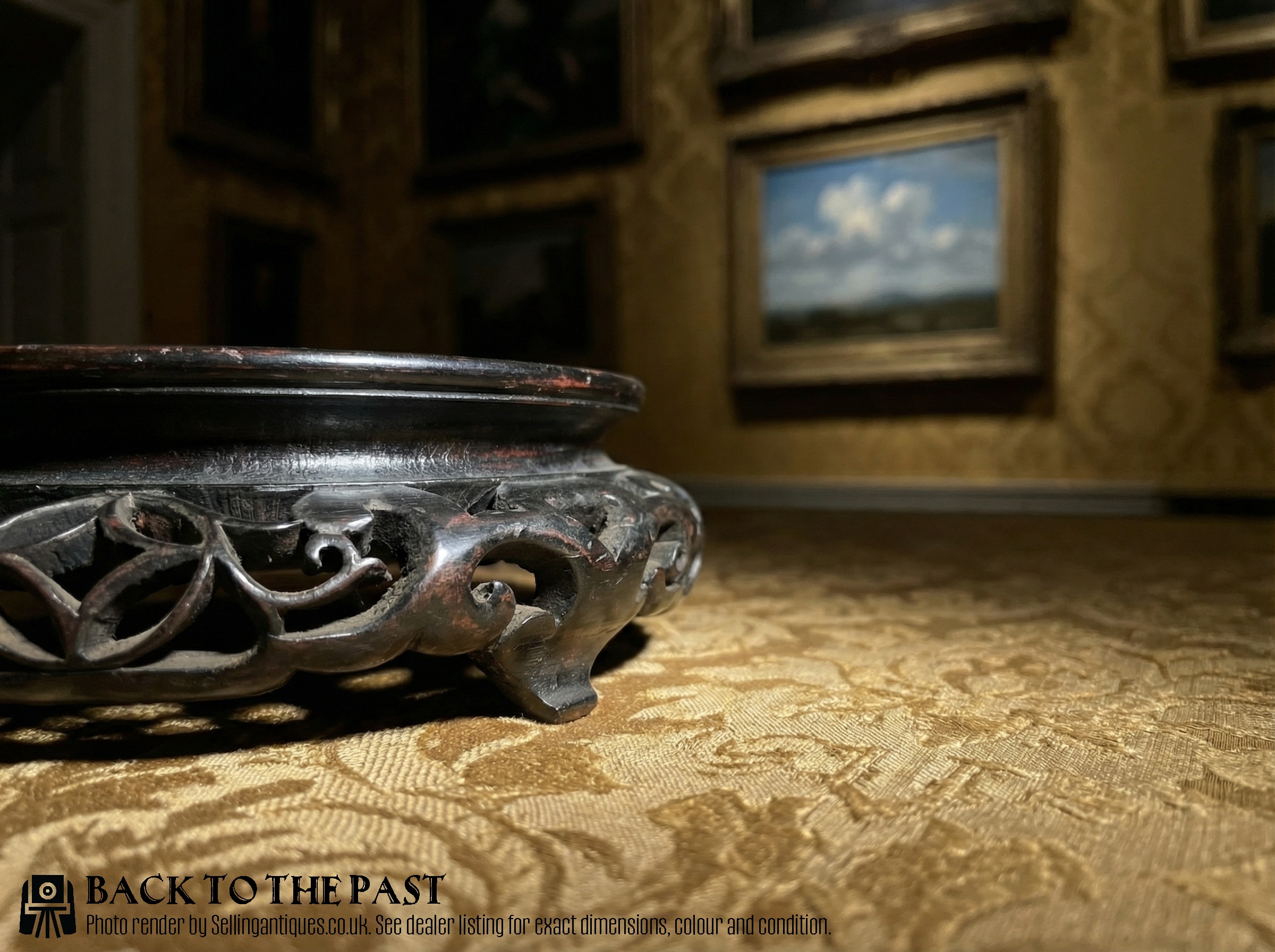
Black Wooden Display Stand
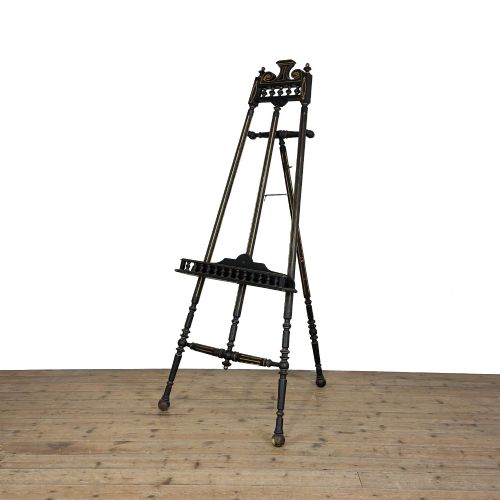
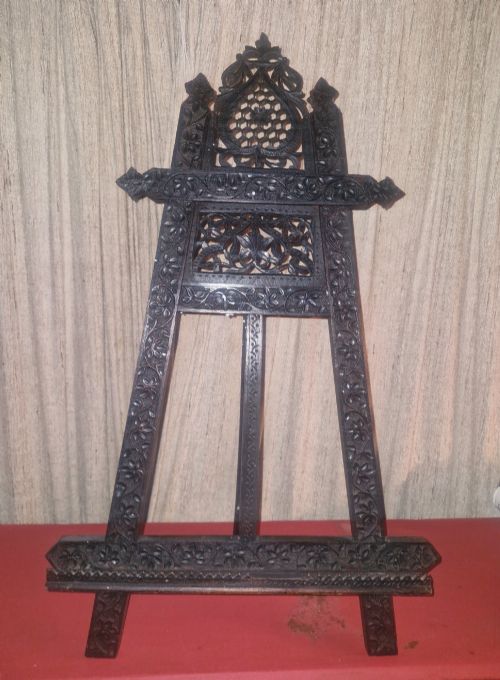
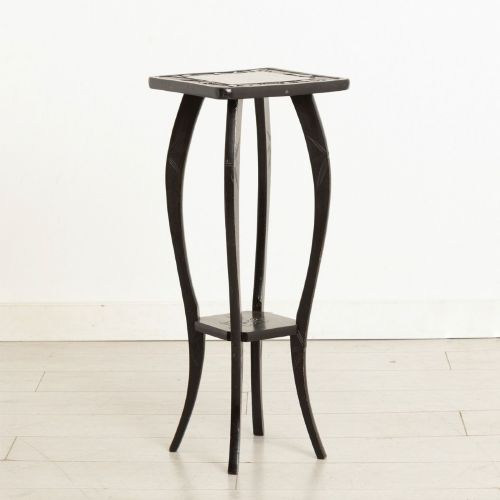
A black wooden display stand encompasses a range of elevated supports, pedestals, and easels designed to showcase decorative objects. Buyers seeking a black wooden display stand will encounter various functional forms including plant stands, cabinets, corner units, and picture easels.
The selection on this page spans from the nineteenth century into the twentieth century, taking in Victorian, Aesthetic Movement, Arts and Crafts, and Oriental designs. Most pieces emerge from the nineteenth century or the early decades of the twentieth century, utilising ebonised finishes and dark hardwoods.
Floor-standing torchere stands, tabletop display boxes, and carved pedestals make up the physical formats available. These items function primarily to elevate vases, figures, and pictures within domestic interiors.
How they were made
Makers utilised dense timbers such as hardwood, rosewood, elm, and ebony, alongside standard woods finished with ebonised treatments to achieve a dark surface. Carved wooden details frequently appear across the structures, ranging from simple turned columns to intricate figural motifs.
Brass fittings and glass components occasionally integrate with the wooden frames, particularly in cabinets and display boxes. Lacquered and painted surfaces also feature on specific oriental and aesthetic style items, combining dark wood tones with applied decoration.
Some nineteenth-century makers carved winged griffins directly into the timber to watch over your botanical displays.
What varies in quality
The distinction between standard pieces and superior examples lies in the depth of hand-carving and the choice of primary material. Solid hardwoods and ebonised timber with crisp, well-defined carving represent the higher tier of production.
Construction methods also dictate quality, where sturdy joinery and stable columns ensure a piece can safely support heavy vases or figures without listing. Finer items display careful attention to surface finish, whether through polished ebonisation or detailed lacquerwork.
Liberty of London
The Black Wooden Display Stand Glossary
- Ebonised wood
- Timber treated with a dark stain or finish to imitate true ebony. This technique gained immense popularity during the Victorian and Aesthetic periods for furniture and display items.
- Torchere
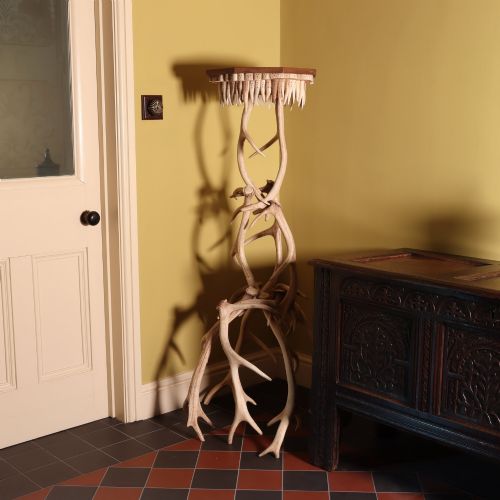
- A tall, slender stand or pedestal originally designed to hold a torch or candle. In later periods, these structures evolved to support lamps, vases, or floral displays.
- Plant stand
- An elevated piece of furniture created specifically to hold potted plants. These items often feature circular tops and supportive pedestal bases.
- Whatnot
- An open set of multi-tiered shelves used for displaying ornaments and small objects. They appear in corner configurations as well as freestanding formats.
- Aesthetic Movement
- A late nineteenth-century design movement that emphasised visual beauty over narrative or moral themes. Pieces from this style often utilise ebonised surfaces and oriental motifs.
Black Wooden Display Stand: Frequently Asked Questions
What can I put on a plant stand?
These elevated surfaces suit heavy ceramic pots, trailing greenery, and sculptural vases. Their sturdy pedestals provide reliable support for items needing extra height in a room.
They also accommodate bronze figures, decorative bowls, and table lamps depending on the top surface area and the weight capacity of the individual design.
How do I clean ebonised wood?
Dust the surface regularly with a soft, dry cloth to prevent dirt accumulation. Avoid harsh chemical cleaners that can strip the dark ebonised finish from the timber.
Apply a suitable wax polish occasionally if the finish appears dry, rubbing it gently into the grain and buffing to a soft sheen.
Where should I place a torchere stand?
These tall stands fit well in empty corners, beside fireplaces, or framing doorways where vertical height adds balance. Their slender profiles ensure they occupy minimal floor space.
Ensure the stand rests on a flat, even surface so that heavier items placed on top remain stable and secure against accidental knocks.
How do I identify Victorian pieces?
Look for characteristic construction methods, dense timber choices like rosewood and ebonised hardwood, and historical design motifs such as neoclassical or aesthetic details. Maker signatures or stamps can sometimes provide definitive dating.
Examine the wear patterns on the base and surface, which often reflect nineteenth-century handling and domestic use over many generations.