
Black Wood Portrait Frame
A black wood portrait frame houses historic likenesses and works on paper spanning several centuries.
Black Wood Portrait Frame
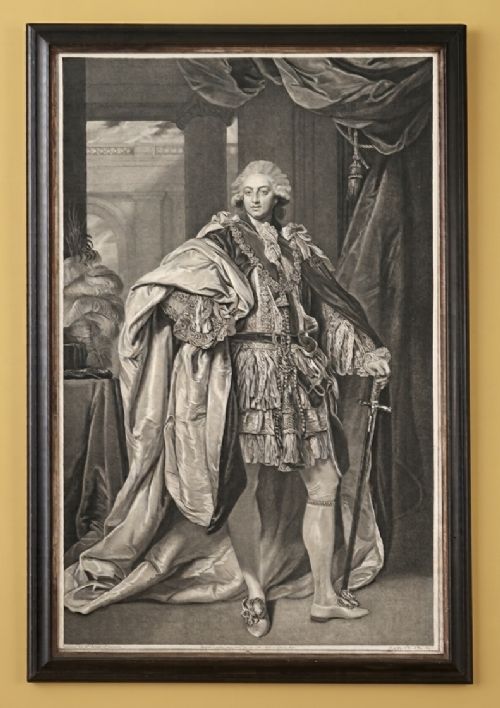
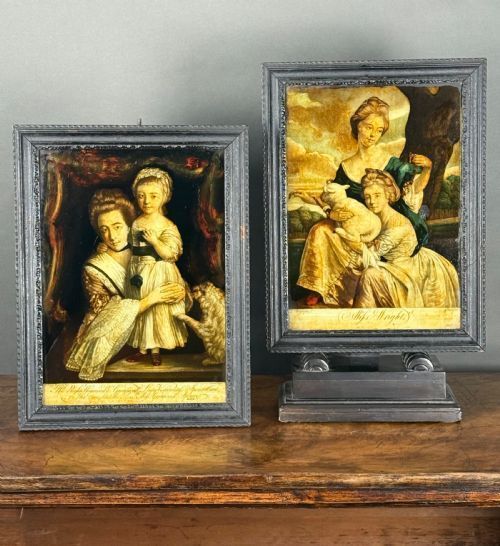
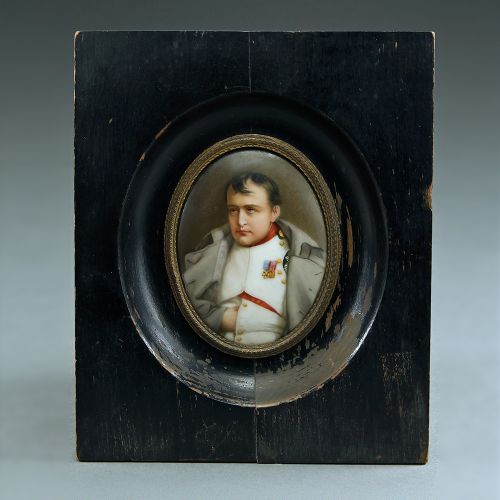
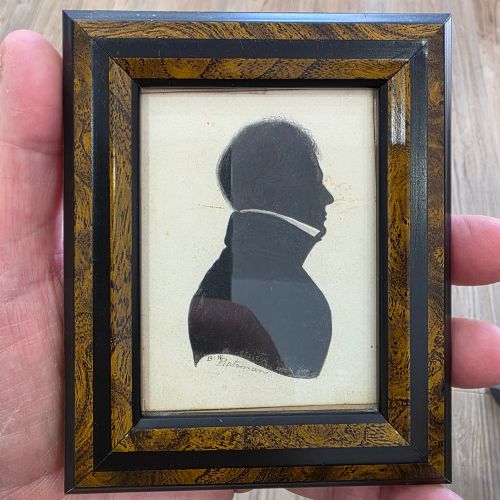
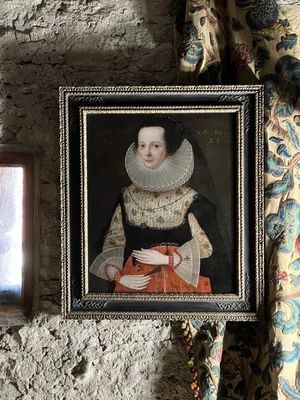
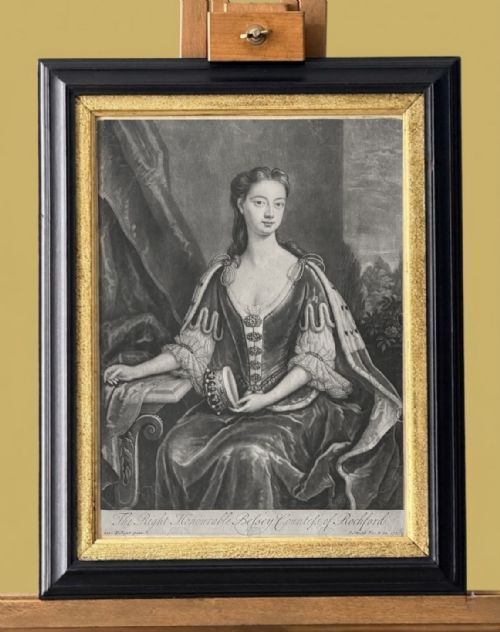
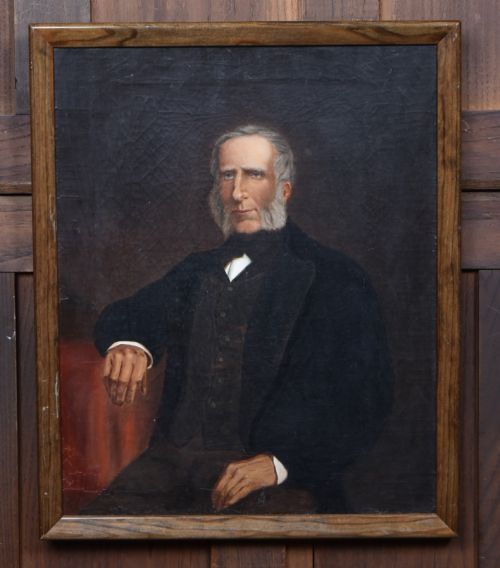
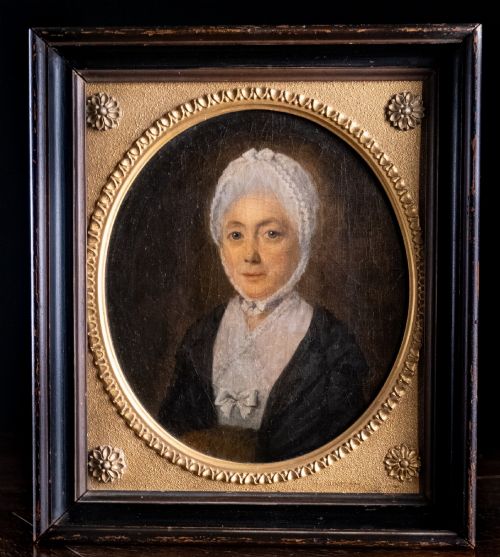
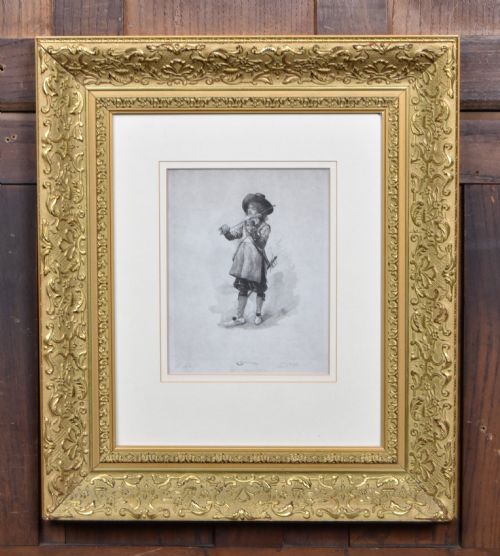
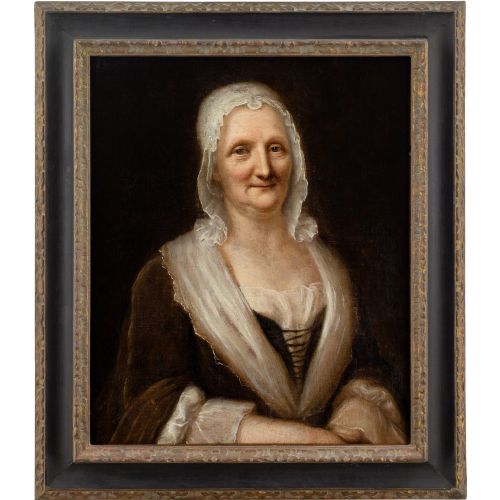
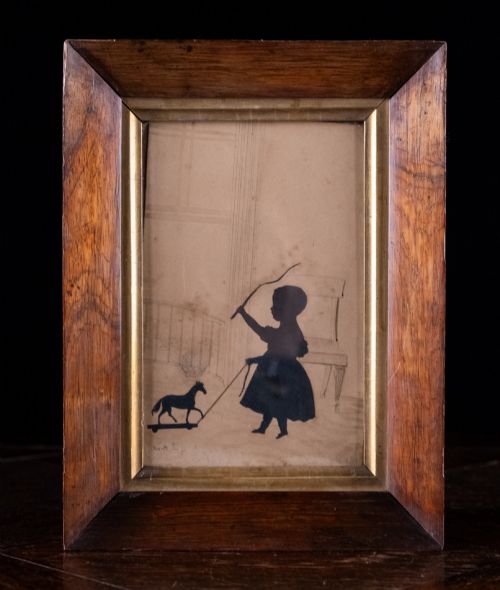
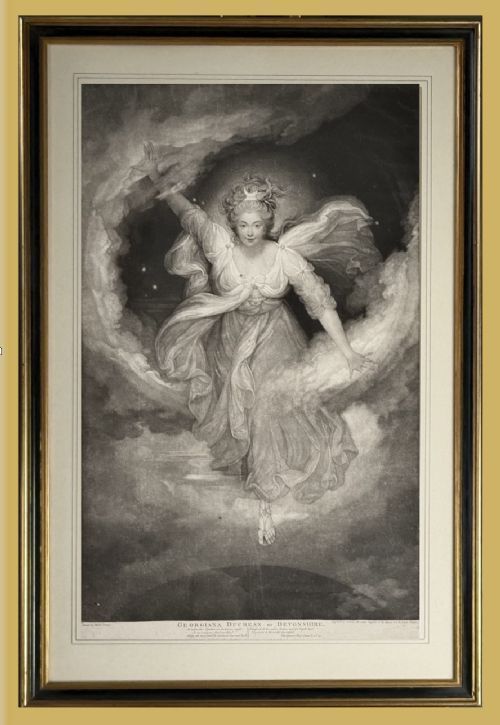
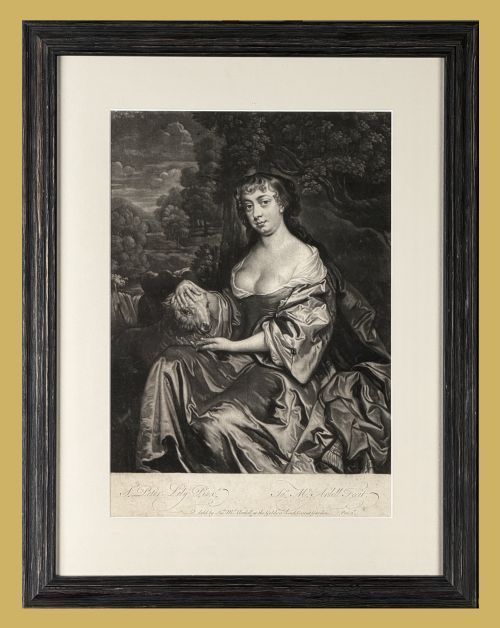
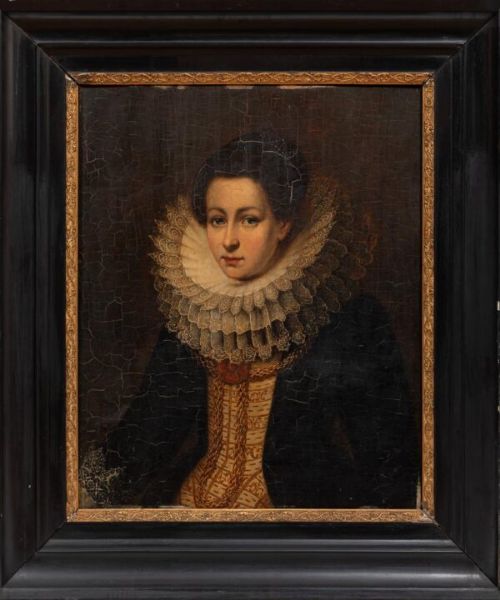
A black wood portrait frame usually contains oil paintings, mezzotints, silhouettes, or photographic prints dating from the seventeenth century through to the twentieth century. These pieces preserve the likenesses of noblewomen, gentlemen, children, and historical figures executed by various regional schools.
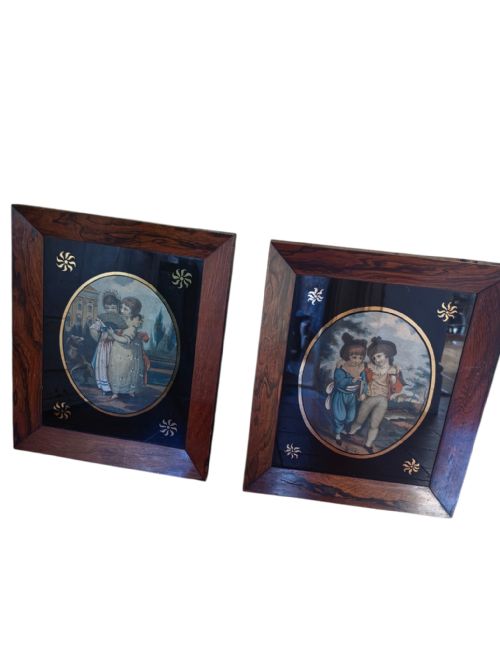
The selection ranges from early oil on panel works and Georgian reverse glass prints to Victorian silhouettes and twentieth-century reproductions. Buyers frequently encounter framed portrait miniatures, charcoal studies, and engraved plates housed in dark wooden mouldings.
Materials and construction
Makers utilised timber mouldings, often ebonised to achieve a deep black finish, paired with protective glass sheets to cover delicate paper works, prints, and miniatures. Oil paintings use canvas or wooden panels as a base for pigments, sometimes accented with gold leaf or ink details.
Printmakers employed techniques such as mezzotint and engraving on paper, whilst silhouette artists cut paper or painted directly on card, ivory, or plaster. Frames were constructed using traditional joinery methods appropriate to periods spanning the seventeenth to the twentieth century.
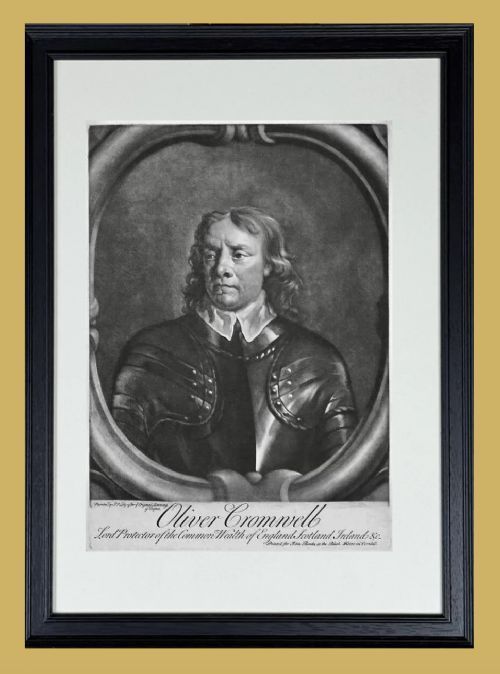
Oliver Cromwell keeps a watchful, stern gaze over the collection from his seventeenth-century copper plate.
Quality and execution
The distinction between tiers rests upon the skill of the artist and the crispness of execution, whether in the delicate brushwork of an oil portrait or the fine scraping of a mezzotint plate. Period frames matched to the artwork display superior hand-carving and joinery compared to later replacements.
Condition of the underlying artwork, preservation of paper or canvas, and the authenticity of the associated dark wooden framing dictate the standing of an individual piece within its respective period.
John Bowles·Sir Peter Lely·John Smith·Augustin Edouart·Valentine Green·James Macardell·Sir Joshua Reynolds·Nicolaes Maes
The Black Wood Portrait Frame Glossary
- Mezzotint
- A printmaking process where the copper plate is roughened to achieve rich tonal gradations in dark areas. This method allows for subtle representations of light and shadow.
- Silhouette
- A solid dark profile likeness, typically cut from paper or painted on card or plaster. These miniature works gained immense popularity during the eighteenth and nineteenth centuries.
- Reverse glass print
- An image painted or transferred directly onto the reverse side of a glass panel to be viewed from the front. This technique imparts a glossy sheen and protects the pigments.
- Plumbago
- A delicate drawing executed in graphite, taking its name from the Latin word for lead ore. Artists used this medium for highly detailed miniature portraits during the seventeenth and eighteenth centuries.
- Eglomise
- A decorative process of applying a thin layer of gold or silver leaf to glass before engraving a design. The reverse is then painted to create a reflective and ornate border.
Black Wood Portrait Frame: Frequently Asked Questions
How do I date a black wood frame?
Dating relies upon examining the construction methods of the timber mouldings, the type of joinery at the corners, and the backboards used. Earlier frames often feature hand-cut joints and denser woods.
Secondary clues include the type of glass, fixings, and any historic labels or inscriptions adhered to the reverse of the piece.
Are these portraits original period pieces?
The selection includes authentic seventeenth, eighteenth, and nineteenth-century oils, mezzotints, and silhouettes created by contemporary hands. Each listing specifies the primary medium and the historical period of origin.
Some listings comprise later twentieth-century reproductions or prints housed in period-style surrounds, requiring careful reading of the individual descriptions.
How should I hang antique framed art?
Antique frames and their contents require stable indoor environments away from direct sunlight and excessive moisture. Secure hanging wire or brackets affixed to structural wall studs support the weight safely.
Avoid positioning these pieces near heat sources that might dry out older wooden mouldings or damage historic canvas and paper.