



Black Wood Jewellery Box
A black wood jewellery box brings dark, polished timber and intricate carving together to secure your keepsakes.
Black Wood Jewellery Box
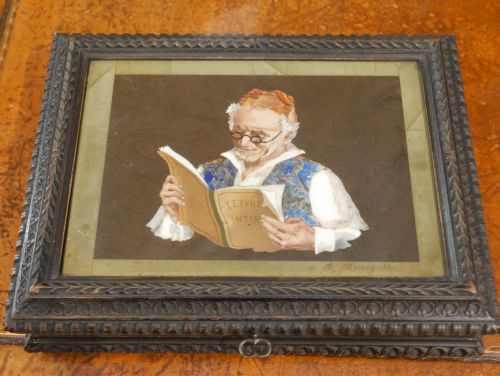
When you search for a black wood jewellery box, you encounter pieces spanning from the seventeenth century through to the twentieth century, formed from ebonised timber, ebony, walnut, and linden wood. These caskets, table cabinets, and trinket boxes serve as functional containers while showcasing regional decorative traditions.
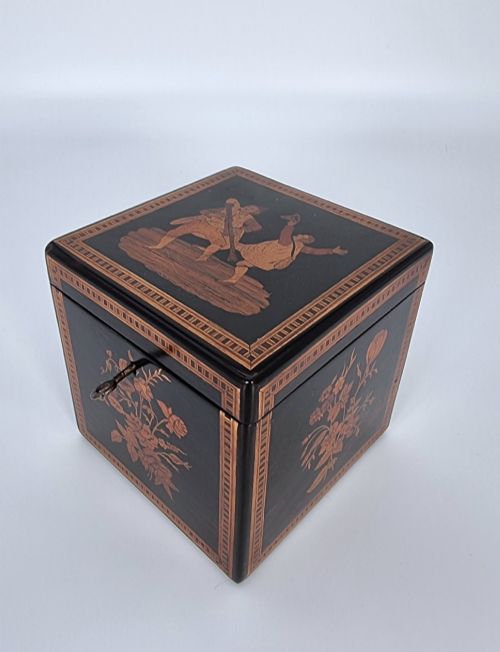
The nineteenth-century examples dominate the selections, featuring styles such as Black Forest, Anglo-Indian, and Italian Grand Tour work. You frequently find carved ornament, pietra dura mounts, and marquetry details that elevate a simple storage receptacle into a decorative object of curiosity.
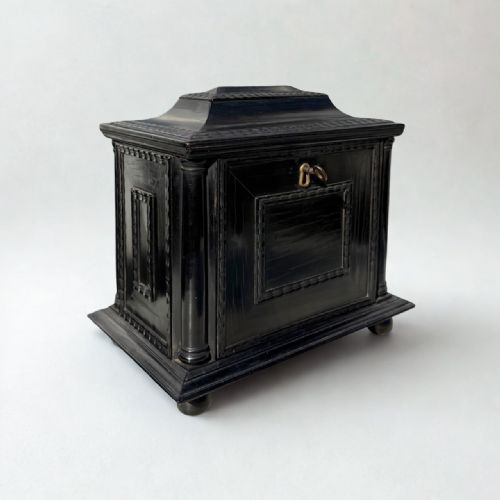
Forms range from dome-topped caskets to fitted table cabinets with trays, reflecting the diverse domestic needs of past centuries. The darker woods provide a dramatic backdrop for intricate hand carving and inlaid decorative elements.
How they were made
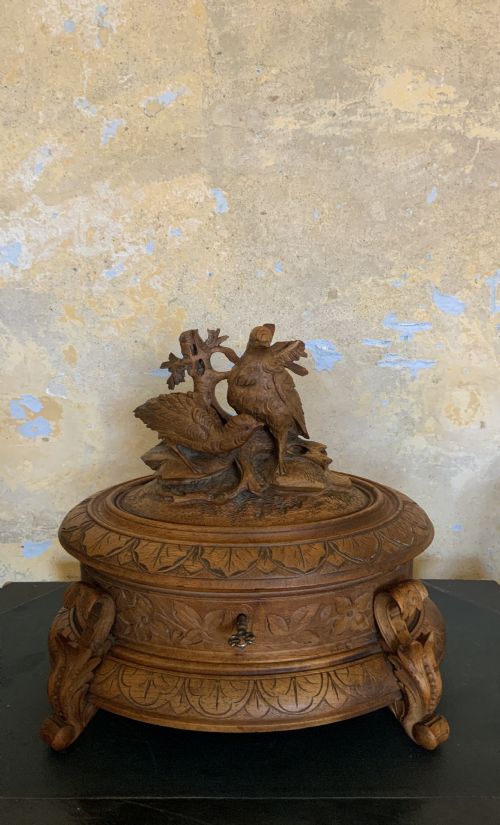
Carvers shaped dense timbers like ebony, walnut, and linden wood by hand, producing deep relief scenes of foliage and wildlife typical of the Black Forest style. Artisans also utilised ebonisation, treating lighter woods with chemical solutions to achieve a deep black finish that mimics solid ebony.
Inlaid pieces incorporate contrasting materials such as porcupine quill, kingwood, coromandel, and stone plaques in pietra dura mounts. Joinery techniques varied from traditional dovetailing in seventeenth-century Flemish caskets to applied marquetry panels on nineteenth-century Sorrento boxes.
Black Wood Jewellery Box Retail Price Guide 2026
Typical asking prices for black wood jewellery box among the pieces listed under this phrase on Sellingantiques today, from the lower quarter to the upper quarter. They describe what is for sale here now, not the wider market.
Periods represented span from the 17th Century through the Regency era up to 1930.
What varies in quality
The depth and crispness of the hand carving separate standard commercial boxes from exceptional artistic examples. Sharp undercut foliage and finely detailed animal figures demonstrate superior artisan skill compared to shallow, mechanical stamping.
Material selection and the precision of internal fittings dictate the tier of the piece. Solid ebony and intricate parquetry or marquetry demand greater technical mastery than simple stained surfaces, while surviving original trays and interior linings enhance the integrity of the object.
The Black Wood Jewellery Box Glossary
- Ebonised Wood
- Timber treated with a stain or chemical process to turn it black, imitating solid ebony. This technique allowed makers to achieve a dark, uniform surface using more accessible domestic woods.
- Pietra Dura
- An inlay technique using cut and fitted polished coloured stones to create geometric or pictorial designs. These hardstone plaques frequently appear mounted into the lids of nineteenth-century Italian boxes.
- Marquetry
- The art of applying pieces of veneer to a structure to form decorative patterns and pictures. Sorrento examples demonstrate this craft through intricate floral and architectural motifs.
- Parquetry
- A geometric mosaic of wood pieces used for ornamentation on furniture and boxes. It differs from marquetry by strictly following linear and angular patterns.
- Table Cabinet
- A small, portable cabinet designed to sit on a desk or table for storing valuables or letters. These often feature drop-front doors concealing multiple small drawers.
Black Wood Jewellery Box: Frequently Asked Questions
How do I care for dark wood boxes?
Keep the box away from direct sunlight and sudden temperature changes to prevent the wood from splitting or warping.
Apply a minimal amount of appropriate furniture wax occasionally to maintain the sheen of the dark timber without building up heavy residue.
Are these boxes lined with fabric?
Many period caskets feature original silk, velvet, or paper linings inside the compartments and trays to protect delicate jewellery.
Over the decades, these textile linings frequently show wear or have been replaced by previous owners during restoration work.
What distinguishes Black Forest boxes?
Black Forest pieces are characterised by deeply carved naturalistic motifs, frequently depicting bears, deer, or dense foliage carved directly into the linden wood or walnut.
Originating from central Europe, these boxes emphasise sculptural three-dimensional elements rather than flat geometric inlay.
How can I tell the age of the wood?
Examining the construction methods, tool marks on the interior boards, and the type of hinges helps indicate the period of manufacture.
Seventeenth-century Flemish caskets display heavy timber construction and distinct joinery compared to the lighter machine-sawn elements found in twentieth-century pieces.