

Black Wood Furniture
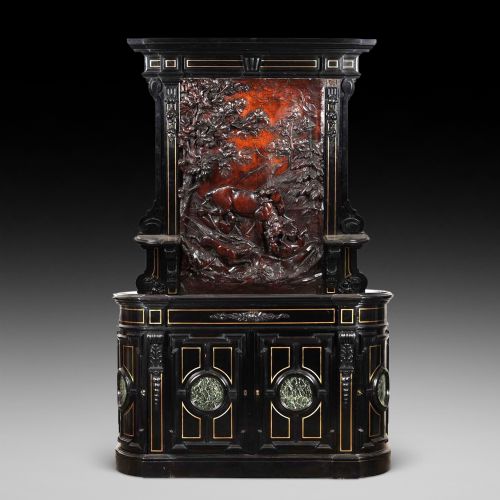
Black wood furniture brings dark, striking presence to a room through ebonised surfaces, dense ebony and carved forest timber.
Black Wood Furniture
When searching for black wood furniture, buyers encounter a diverse range of dark-toned pieces spanning several centuries, with the nineteenth century heavily represented in the current selection. Side tables, armchairs, benches, and occasional tables dominate the forms, originating from English workshops, continental Europe, and distant colonial outposts like Ceylon.
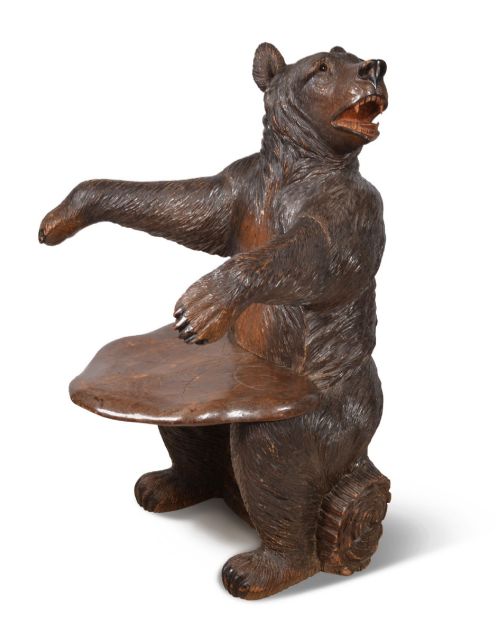
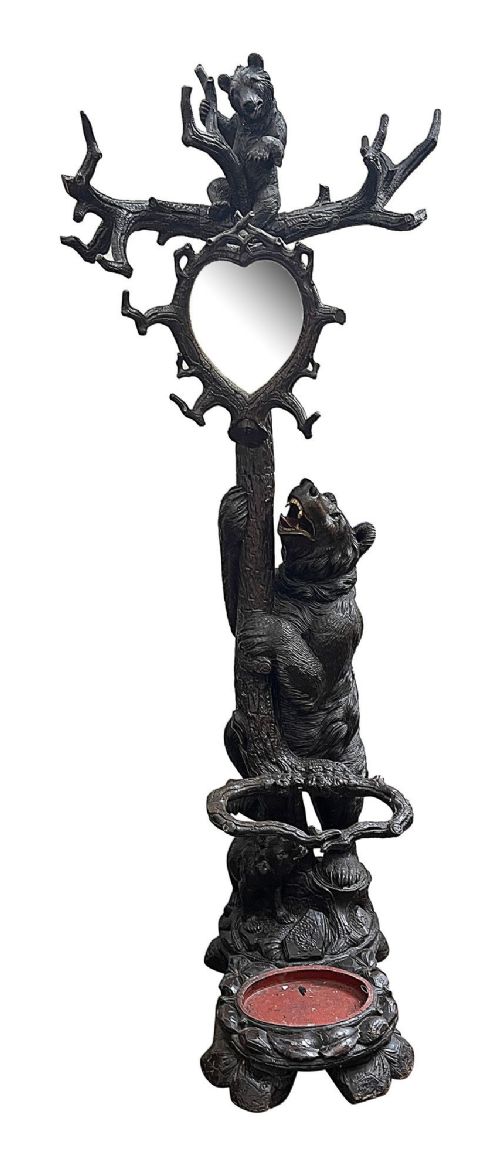
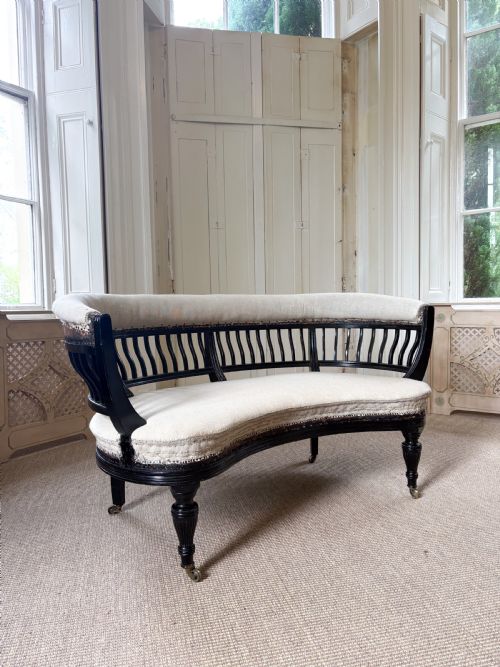
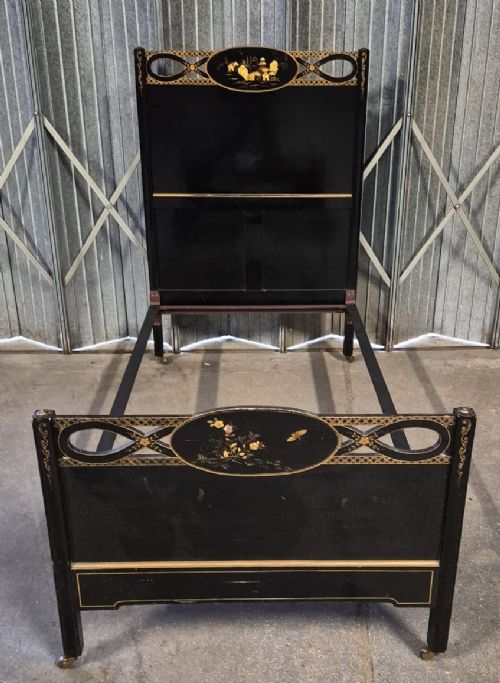
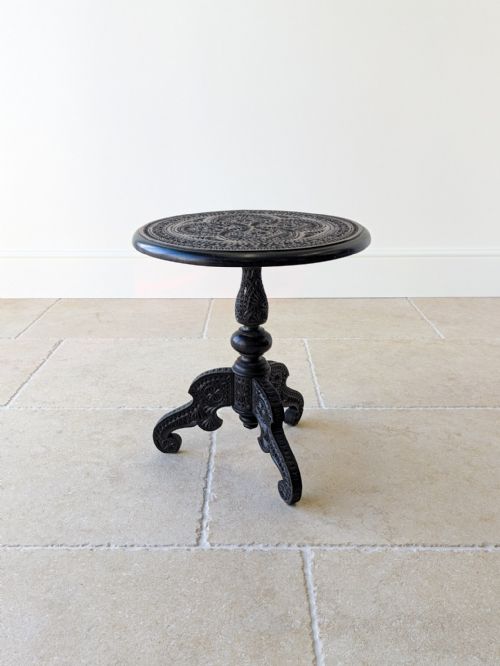
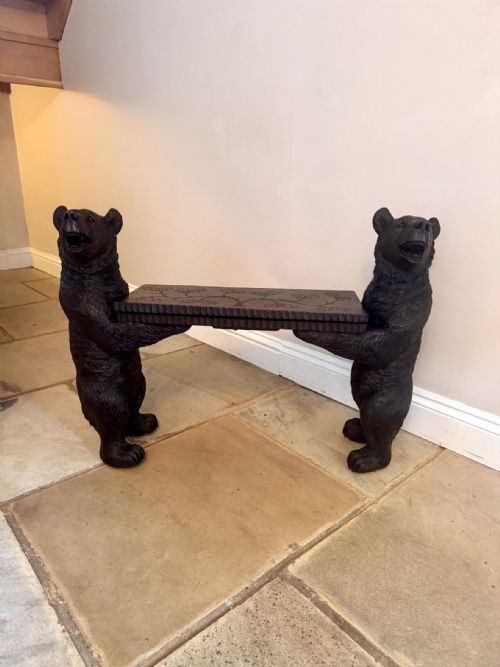
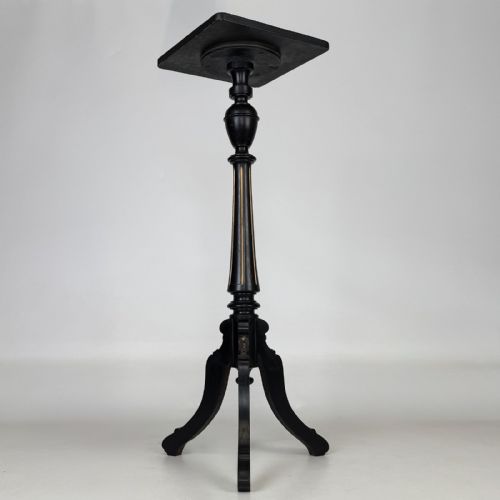
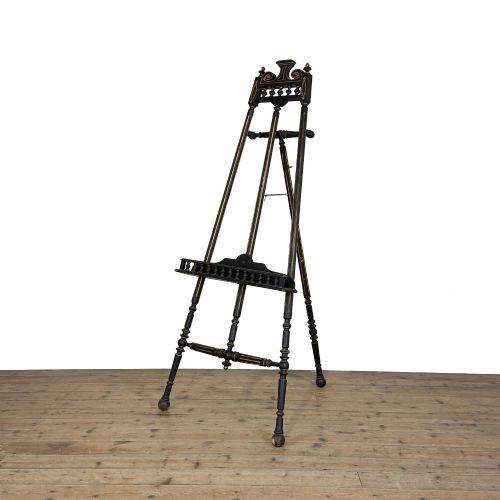
The aesthetic expression varies widely across these origins, moving from the carved naturalism of Black Forest animal motifs to the refined geometry of Aesthetic Movement ebonised items and Anglo-Indian ebony work. Buyers meet everything from compact plant stands and floor-standing easels to substantial chests of drawers, cabinets, and dining chairs.
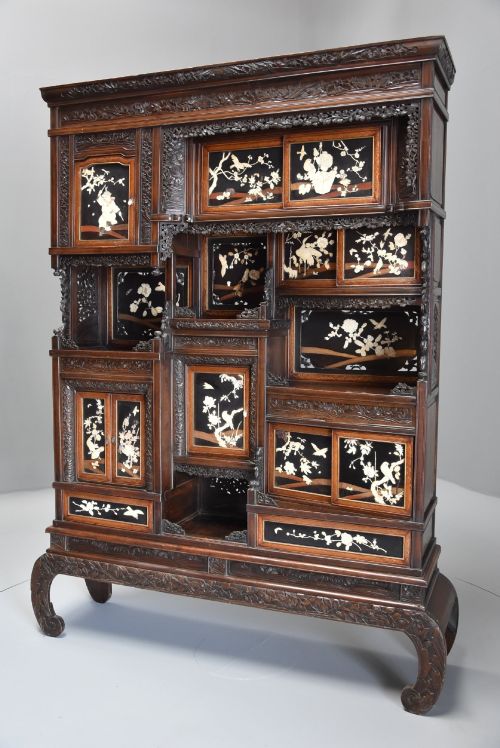
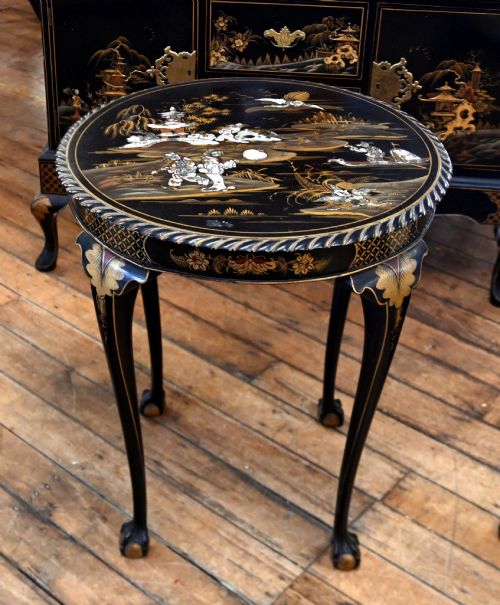
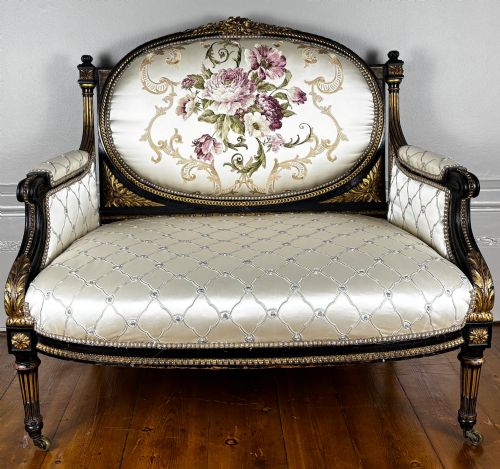
Victorian examples mingle with earlier eighteenth-century Italian cabinets and French bombe commodes, alongside later Art Deco designs and Korean or Chinese lacquered pieces. This eclectic mix shares a commitment to dark finishes, whether achieved through natural heartwood or deliberate ebonising.
Materials and Technique
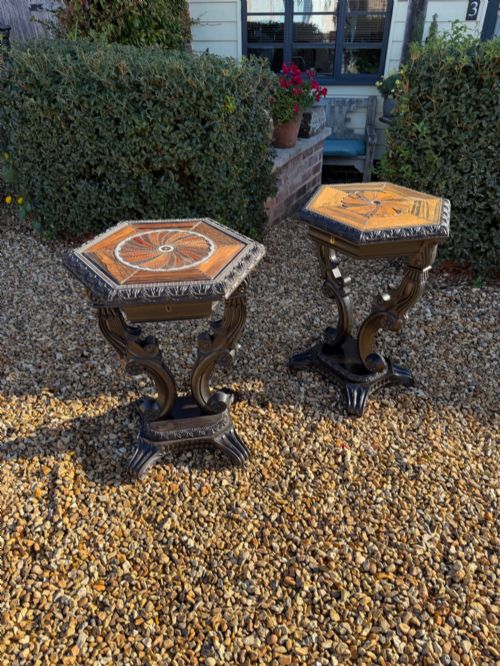
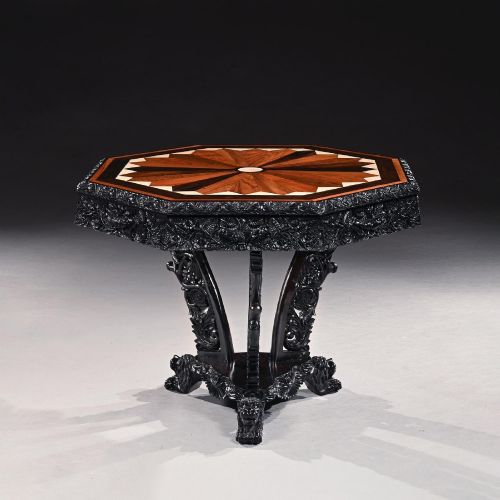
Cabinetmakers utilised dense natural timbers such as solid ebony and linden wood, or applied ebonising treatments to cheaper woods like beech and fruitwood to mimic the costly material. Carving served as a primary decorative technique, seen in the deep relief work of Black Forest furniture and the intricate foliage on Anglo-Indian tables.
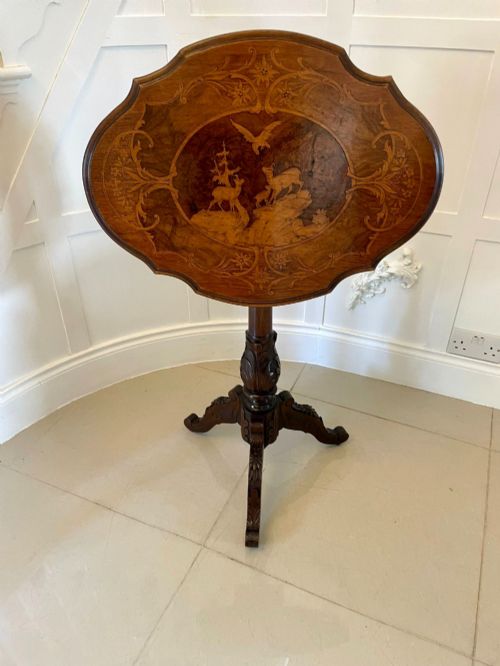
Surface enrichment frequently involved parcel gilding, bone inlay, marquetry, and painted porcelain plaques set into French jardinière stands. Turnery played a significant role, producing structural elements like bobbin legs and tripod bases that added geometric rhythm to chairs and small tables.
Black Wood Furniture Retail Price Guide 2026
Typical asking prices for black wood furniture among the pieces listed under this phrase on Sellingantiques today, from the lower quarter to the upper quarter. They describe what is for sale here now, not the wider market.
Materials span natural ebony, linden wood, and hard cabinet timbers alongside applied brass, bone inlay, and painted porcelain plaques.
Craftsmanship and Material Depth
The distinction between ordinary and superior pieces rests on the integrity of the materials and the crispness of the hand-carved detail. Solid ebony and finely grained hardwoods hold their finish and structural stability far better than flaking ebonised paint applied over soft secondary woods.
Depth of design execution separates standard utility items from high-end artistic works, particularly in the precision of marquetry inlay, bone decoration, and intricate pierced carving found on regional seating and tables.
The Black Wood Furniture Glossary
- Ebonised wood
- Timber treated with stain, dye, or paint to achieve the deep, dark appearance of solid ebony. This technique allowed makers to create fashionable black furniture using accessible native hardwoods.
- Marquetry
- The art of applying pieces of veneer to a structure to form decorative patterns and pictures. Craftsmen used various contrasting woods and bone to build up intricate table tops.
- Bobbin turning
- A form of lathe work producing a series of rounded, spool-like shapes along the length of a furniture leg or stretcher. It appeared frequently on nineteenth-century chairs and small stands.
- Parcel gilding
- The practice of applying thin gold leaf to specific raised portions of a carved or ebonised wooden surface. This technique highlighted architectural details and carved motifs against the dark ground.
Black Wood Furniture: Frequently Asked Questions
How do I care for ebonised wood surfaces?
Keep dark surfaces away from direct sunlight and excessive heat to prevent the finish from fading or cracking. Dust regularly with a soft, dry cloth and avoid harsh chemical polishes.
Condition the wood periodically with appropriate microcrystalline wax to maintain the deep lustre without building up heavy residues.
What is the difference between solid ebony and ebonised wood?
Solid ebony is a naturally heavy, dense dark heartwood harvested from tropical trees and used without surface staining. Ebonised wood is typically a domestic timber, such as beech or fruitwood, treated to resemble the costly exotic material.
Examination of the underside or joints usually reveals the lighter natural wood beneath the black surface layer on treated pieces.
Where does Black Forest furniture come from?
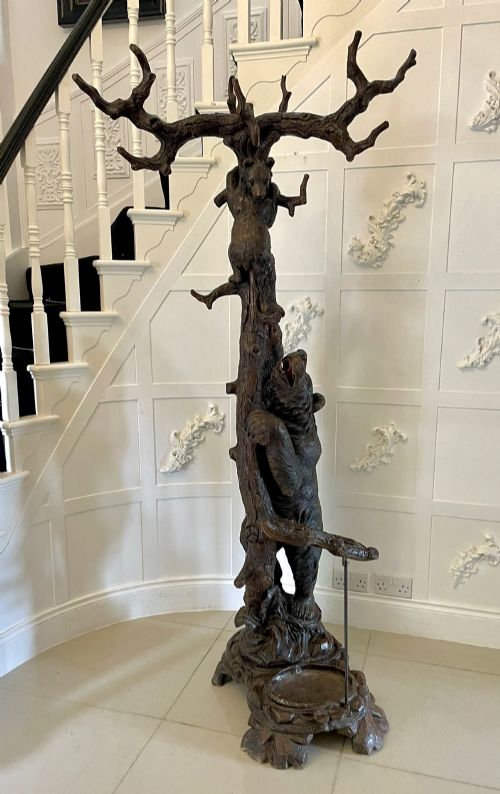
Black Forest carvings originate primarily from the mountainous region of central Europe, particularly Switzerland and Germany, during the nineteenth and early twentieth centuries. Local artisans utilised native linden wood and oak to produce highly naturalistic items.
These works often incorporated forest animals, foliage, and structural elements like bears supporting seats or tables.
How do I identify Aesthetic Movement black furniture?
Aesthetic Movement pieces focus on visual art and simplicity, often drawing inspiration from Japanese design principles. They frequently feature ebonised surfaces, slender structural members, and sometimes gilt highlights or brass fittings.
Forms include specialised items like floor-standing easels, spindle-backed chairs, and tables designed for artistic interiors rather than heavy formal dining.