


Black Wood Frame Art
Black wood frame art holds centuries of portraiture, prints, and drawings within dark, defining borders.
Black Wood Frame Art
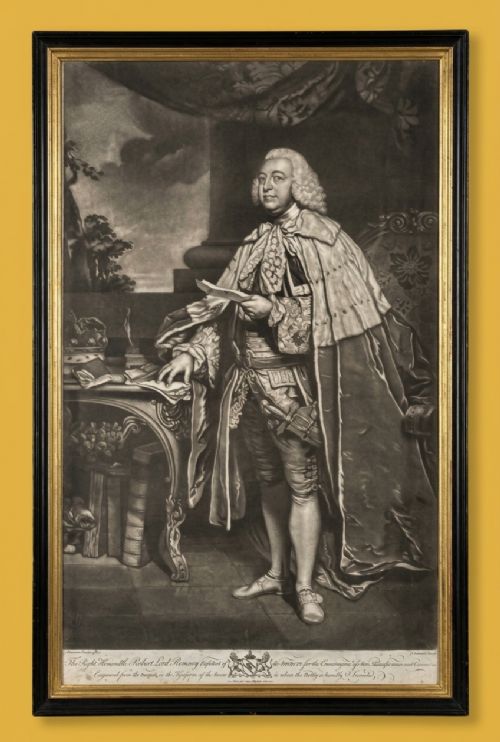
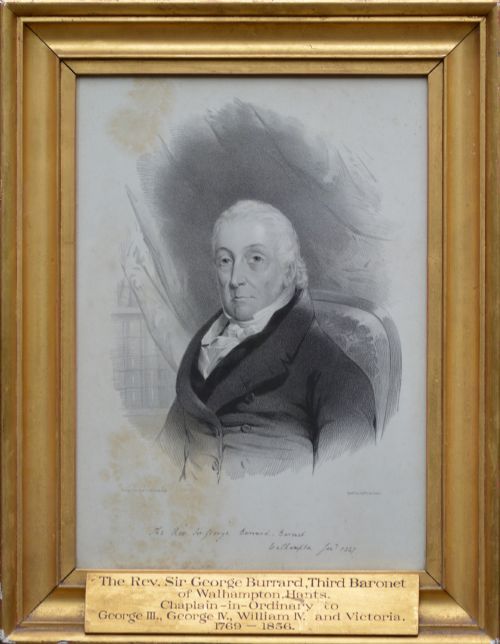
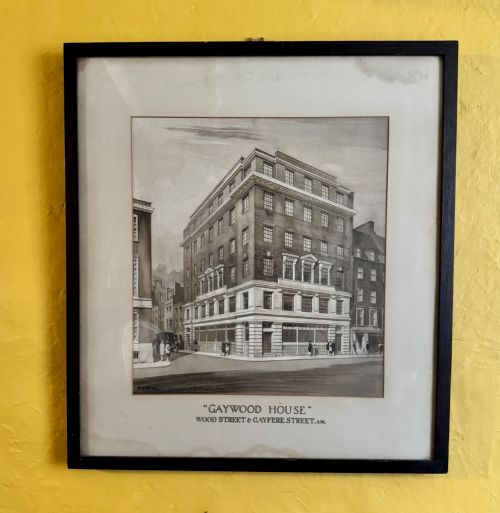
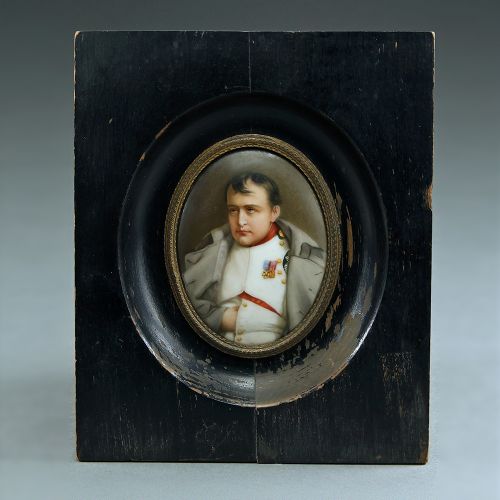
Black wood frame art encompasses a diverse array of historical wall pieces, ranging from eighteenth-century mezzotints and nineteenth-century oil paintings to twentieth-century architectural ink drawings. Buyers seeking black wood frame art encounter various forms, including portrait miniatures, silk paintings, and engraved maps.
The selections span distinct periods, drawing heavily from seventeenth, eighteenth, and nineteenth-century output alongside mid-century examples. These works unite graphic works and paintings under dark or ebonised surrounds that isolate the subject from the wall.
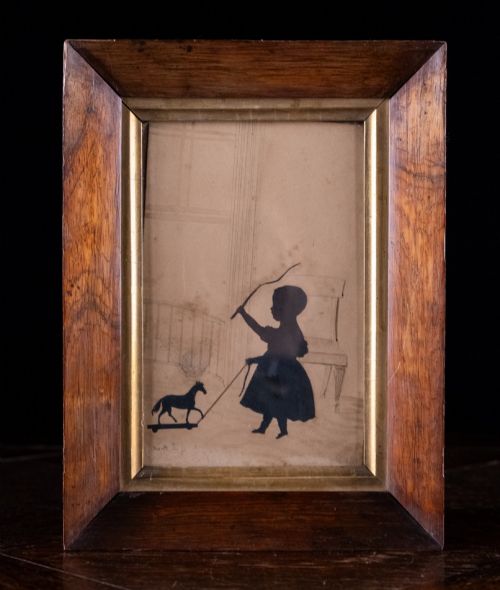
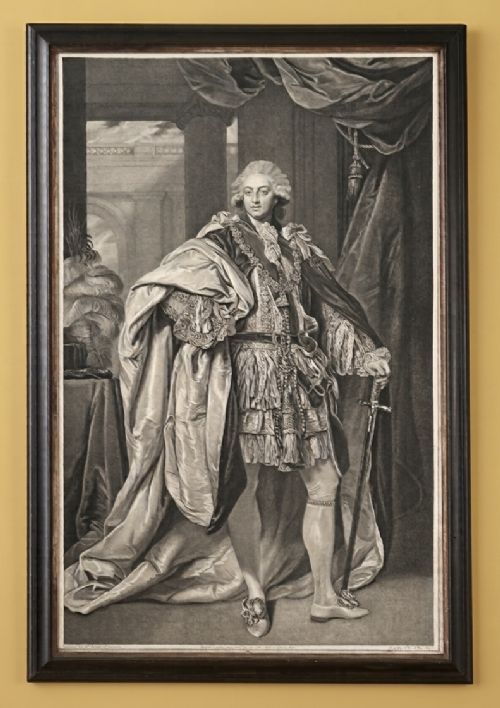
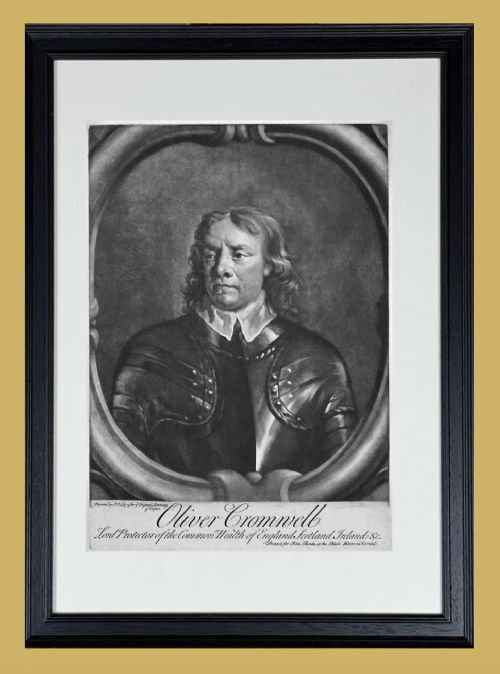
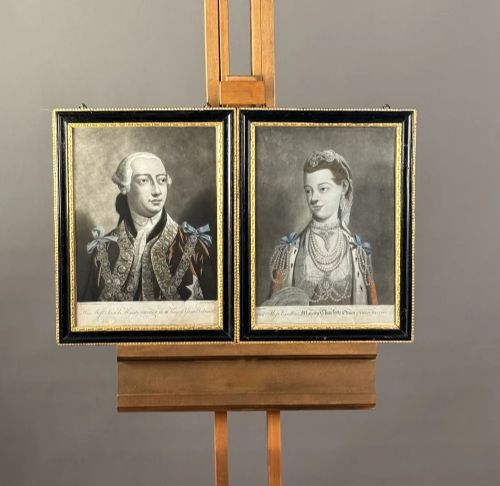
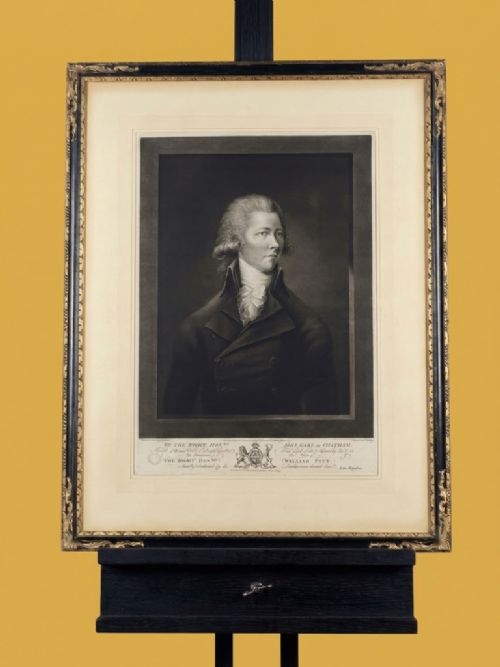
Mezzotints, engravings, and silhouette profiles dominate the paper-based works, while oil paintings on canvas bring heavier textures to the dark surrounds. Each piece relies on the framing boundary to contain the visual weight of the historical imagery.
How they were made
Makers utilised wood, glass, paper, ink, and canvas to construct these works, frequently applying ebonised treatments or gold leaf accents to the surrounding mouldings. Engravings and mezzotints on paper required inked metal plates pressed under weight, often protected behind glass.
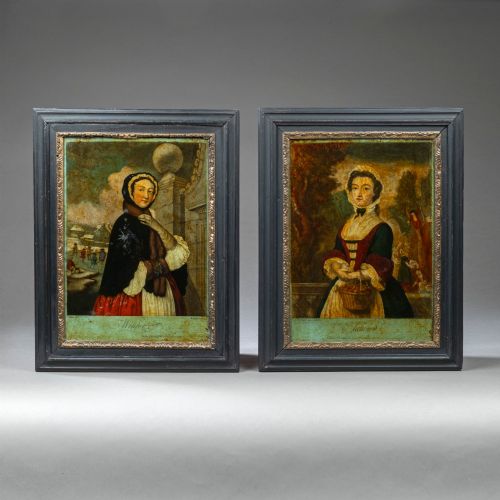
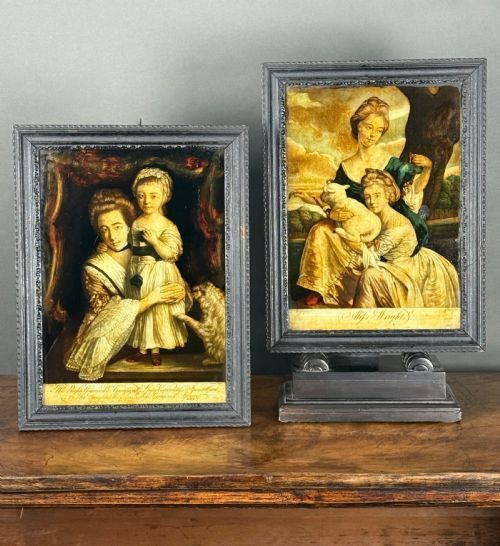
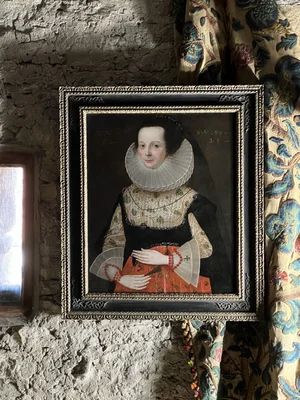
Oil paintings on canvas and panel employed traditional binders and pigments, while reverse glass prints demanded meticulous hand-application of paint directly onto the rear surface of the glass pane. Frames were shaped from timber to house these delicate mediums securely.
Black Wood Frame Art Retail Price Guide 2026
Typical asking prices for black wood frame art among the pieces listed under this phrase on Sellingantiques today, from the lower quarter to the upper quarter. They describe what is for sale here now, not the wider market.
An eighteenth-century portrait sits quietly beside a twentieth-century photographic contact sheet of a male nude.
What varies in quality
The execution of the central artwork drives distinction, separating skilled draughtsmanship and printmaking from routine production. Fine mezzotints and detailed oil portraits display tonal depth and precision that lesser decorative prints lack.
The physical relationship between the artwork and its mounting also defines standard. Original framing materials, integrated gold leaf details, and preserved glass maintain the historical integrity of the piece more effectively than later replacements.
George Keating·Simon De Koster·Thomas Frye·Richard Purcell·John Jones·Sir Joshua Reynolds·John Bowles·Sir Peter Lely·Samuel Cooper·John Smith·Charles D Agar·Augustin Edouart·Valentine Green·Maria Hadfield Cosway·James Macardell·Étienne Baudet·William Hogarth·Luke Sullivan·Thomas G Appleton·Julian Mandel·John Taylor·Gustave Doré·Adolphe Pannemaker
The Black Wood Frame Art Glossary
- Mezzotint
- A printmaking process where the copper plate is roughened to produce dark tones, allowing smooth areas of light to be scraped out. This technique creates rich gradations of shadow particularly suited to portraiture.
- Ebonised wood
- Timber treated with a stain or finish to imitate true ebony. It provides a deep, matte or polished black surface common in period framing.
- Plumbago
- A drawing executed in graphite, taking its name from the Latin word for lead ore. These works offer fine, monochromatic detail on paper or vellum.
- Reverse glass print
- An image painted or transferred directly onto the reverse side of a glass sheet and viewed from the front. This method yields a glossy surface sheen.
- Engraving
- A printmaking method where an artist cuts lines directly into a metal plate with a burin. The resulting incised lines hold the ink for transfer under pressure.
Black Wood Frame Art: Frequently Asked Questions
How do I care for antique framed prints?
Keep works on paper out of direct sunlight to prevent fading of the ink and paper support. Maintain stable indoor humidity levels to protect the wooden framing and fragile backing materials.
Dust the frames gently with a dry cloth and avoid applying liquid cleaners directly to the wood or glass surfaces.
Are these frames original to the art?
Many pieces retain period surrounds that match the era of the enclosed print or painting. Surviving historical combinations offer greater collector interest.
Individual listings note whether the housing represents the original mount or a subsequent period replacement.
What subjects appear in these works?
Portraits of nobility, historical figures, and military officers form a large portion of the printed works. Architectural plates, maps, and landscape scenes also feature prominently.
Folk art and botanical subjects represent the broader variety found within historical collections.
How do I distinguish a mezzotint from an engraving?
Mezzotints rely on fields of tone and shadow created by roughening the printing plate. They present soft, velvety transitions between dark and light areas.
Engravings depend primarily on crisp linear hatching and defined lines incised directly into the metal.