




Black Wood Box
A black wood box brings together dark timber, carved detail and utilitarian purpose across the centuries.
Black Wood Box
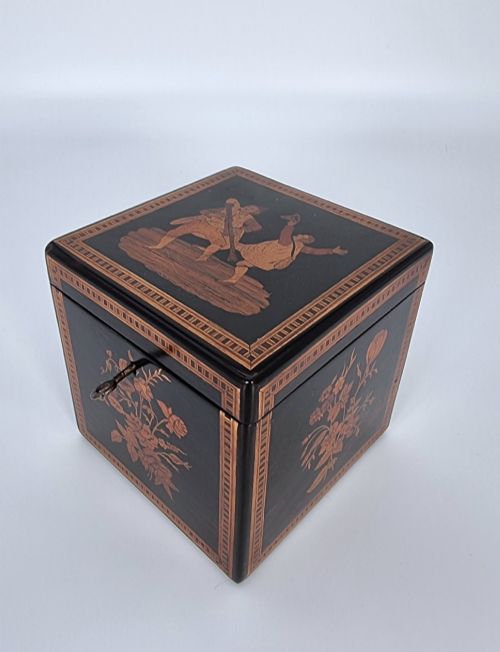
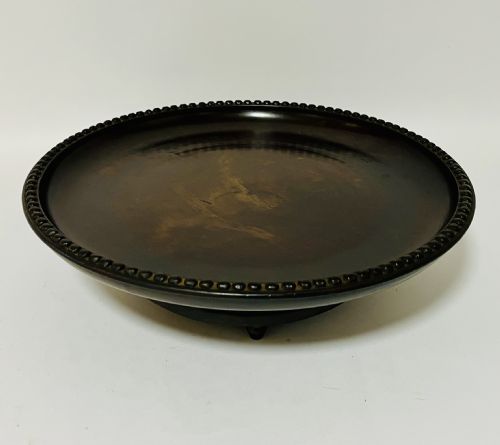
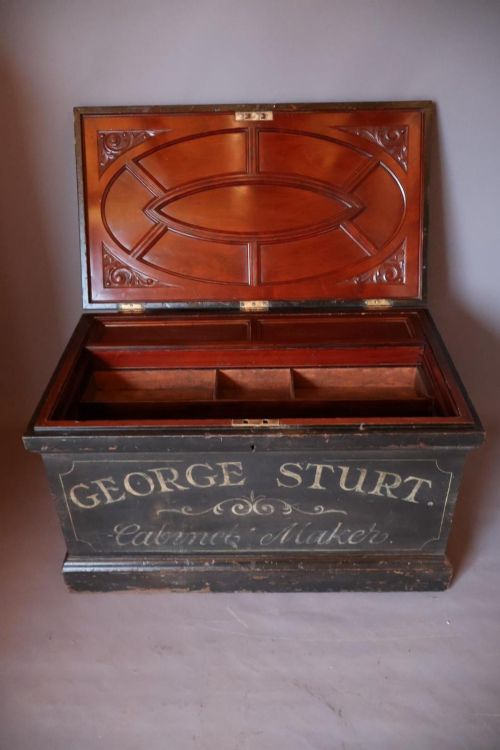
A black wood box encompasses a broad range of vessels designed for storage, from tea caddies and jewellery cases to larger trunks and coffers. When searching for a black wood box, collectors frequently encounter pieces spanning the eighteenth to the twentieth centuries, utilising ebony, ebonised timber, and black lacquer.
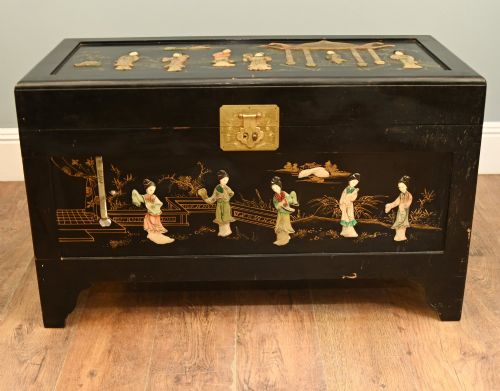
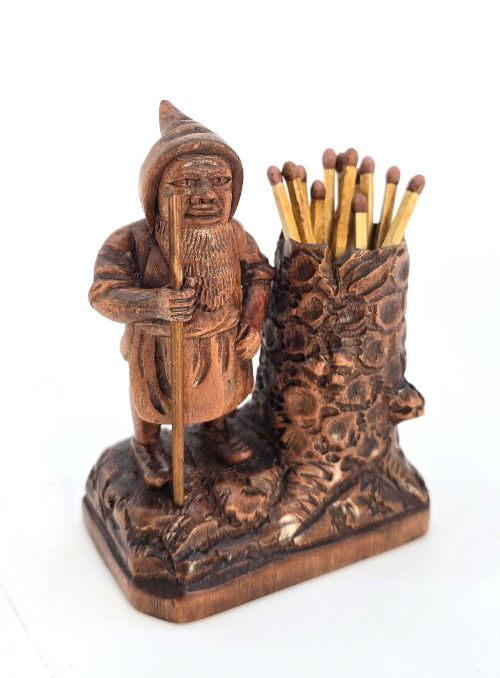
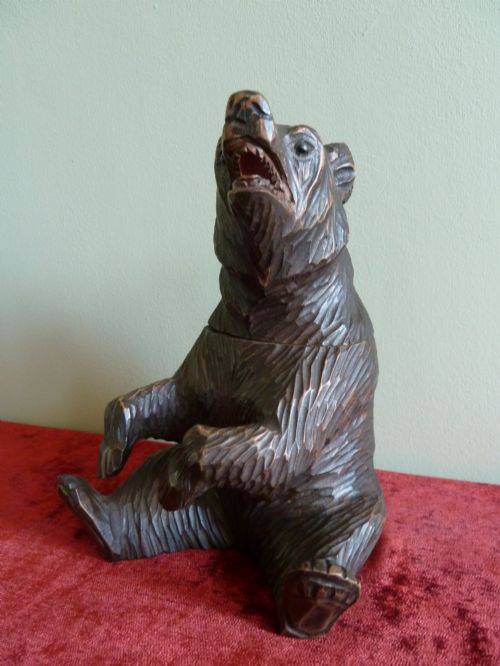
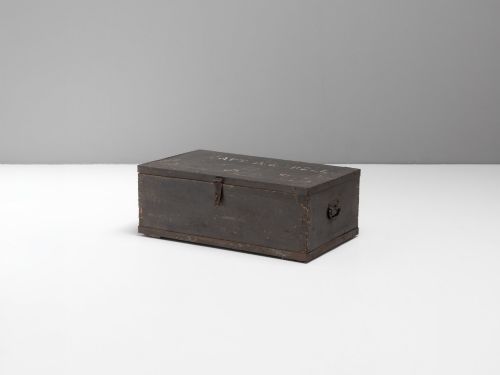
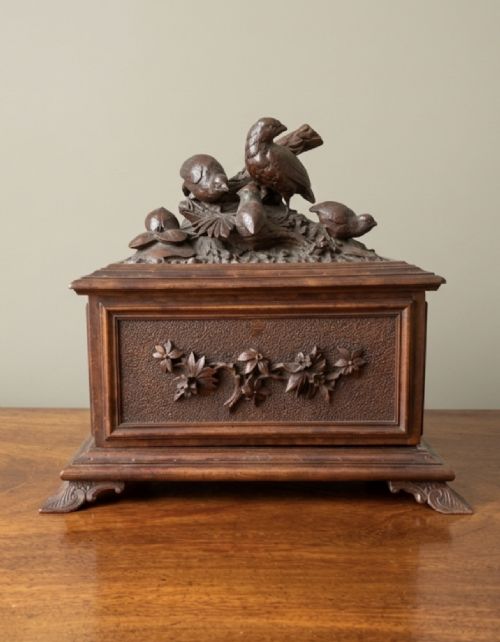
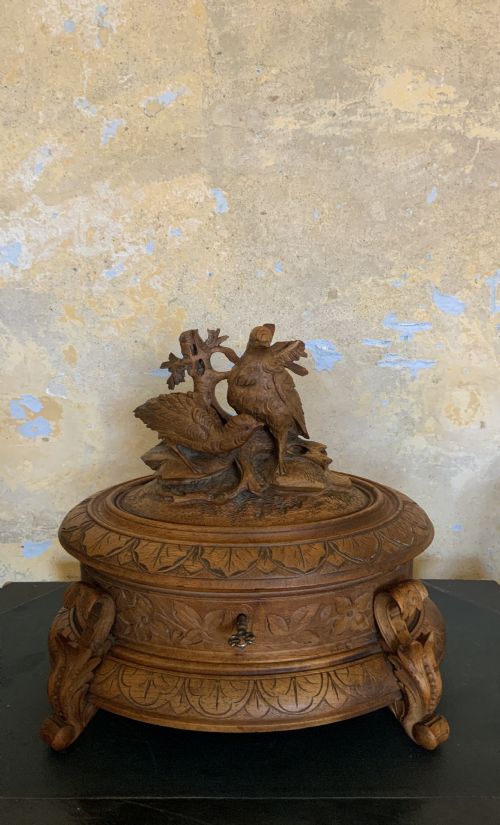
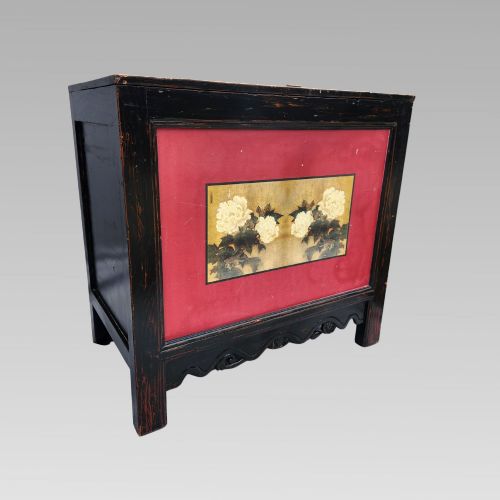
The selections on this page draw from distinct regional traditions, including heavily carved Black Forest animal motifs, intricate Anglo-Indian ebony work, and Chinese lacquered wedding chests. Smaller desk accessories sit alongside substantial storage chests, reflecting how widely materials like ebony, pine, and limewood were adapted for domestic use.
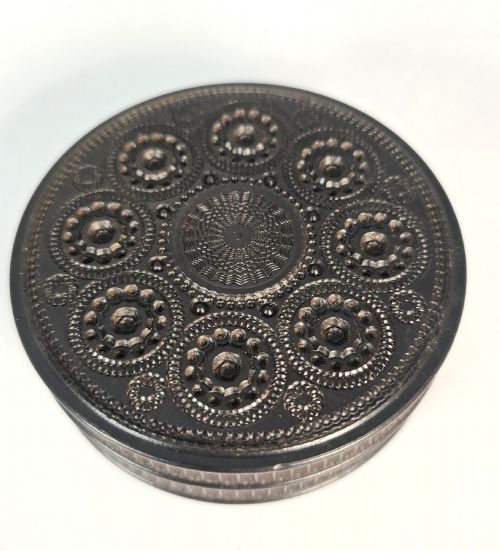
Makers utilised dark finishes to create formal elegance or dramatic contrast, whether through the engine-turning of a small snuff container or the sweeping panels of an oriental storage chest. These containers served specific historic functions, holding documents, tobacco, tea leaves, or personal valuables.
Materials and construction methods
Construction relies heavily on dense timbers such as ebony, walnut, and limewood, alongside pine carcasses finished with paint or lacquer. Black Forest carvers worked extensively in lime and walnut, rendering naturalistic bears, dogs, and foliage with deep undercut chiselling.
Surface treatments define the visual character of these pieces, ranging from the high gloss of Chinese lacquer and penwork to the matte finish of ebonised fruitwood. Joinery methods vary from traditional dovetailing on larger chests to precise mitre work on small caskets and tea caddies.
Inlaid elements frequently enhance the dark wooden surfaces, utilising ivory, boxwood, porcupine quill, or pietra dura panels mounted directly into the lid or sides. Engine-turning on snuff boxes and marquetry on Sorrento or Flemish table cabinets display meticulous geometric control.
Black Wood Box Retail Price Guide 2026
Typical asking prices for black wood box among the pieces listed under this phrase on Sellingantiques today, from the lower quarter to the upper quarter. They describe what is for sale here now, not the wider market.
Materials represented across these items include brass, glass, pine, lacquer, and several varieties of carved wood and ebony.
Judging quality in dark wood boxes
Quality rests upon the precision of the carving and the integrity of the underlying timber. In carved animal figures or architectural elements, the depth of relief and the lifelike proportions of the subject distinguish superior examples from simpler production pieces.
The condition of the finish dictates much of the appeal, particularly with lacquer, polish, and original paintwork. Pieces retaining their fitted interior compartments, original brass hardware, and working locks command greater appreciation among collectors.
The Black Wood Box Glossary
- Ebonised
- Wood that has been chemically or artificially treated to imitate the dark, dense appearance of genuine ebony. This technique was popular in Victorian cabinet making to provide stark visual contrast.
- Black Forest
- A nineteenth-century stylistic term originating in Switzerland and Germany, denoting deeply carved wooden animal figures and foliage. These items often took the form of humidors, inkstands, or table caskets.
- Casket
- A small, decorative box designed to hold valuables, jewels, or documents. They frequently feature hinged lids and elaborate interior linings.
- Tea Caddy
- A container specifically made for storing tea leaves securely away from light and air. In earlier centuries, tea was an expensive commodity, requiring locked wooden boxes.
- Pietra Dura
- An inlay technique using cut and fitted polished coloured stones to create images. These panels were frequently mounted into the lids of European wooden boxes.
Black Wood Box: Frequently Asked Questions
What were these dark wooden boxes used for originally?
These containers served specific domestic functions depending on their scale and internal fittings. Smaller examples held snuff, tea leaves, jewellery, or writing implements, while larger chests accommodated garments, household linens, or legal documents.
Many incorporated specialised compartments, such as foil-lined tea canisters or velvet-lined trays for precious items. Their durable construction ensured contents remained protected from dust, light, and handling.
How can I tell the difference between solid ebony and ebonised wood?
Examining the weight, grain patterns, and areas of wear reveals the true nature of the material. Solid ebony is exceptionally heavy, dense, and displays a natural dark grain that does not flake.
Ebonised wood is typically a lighter timber, such as beech or fruitwood, coated with a black finish. Where minor chips or surface scratches occur on ebonised pieces, the lighter wood beneath often becomes visible.
Where were Black Forest carved boxes made?
These items originated primarily in the mountainous regions of central Europe, particularly Switzerland and Germany, during the nineteenth century. Local woodworkers utilised native limewood, walnut, and pine to carve forest animals and alpine scenes.
Production catered heavily to the Victorian tourism market, providing visitors with decorative humidors, match holders, and trinket boxes. The characteristic naturalistic style remains distinct from other regional woodworking traditions.
How do I care for an antique wooden box?
Preserving these pieces involves maintaining stable environmental conditions away from direct sunlight and heat sources. Extreme fluctuations in temperature or humidity can cause timber to split and veneers to lift.
Dusting should be performed gently with a dry, soft cloth, avoiding modern silicone polishes. Wax formulated for antiques may be applied sparingly to nourish dry wood and maintain the lustre of the finish.