
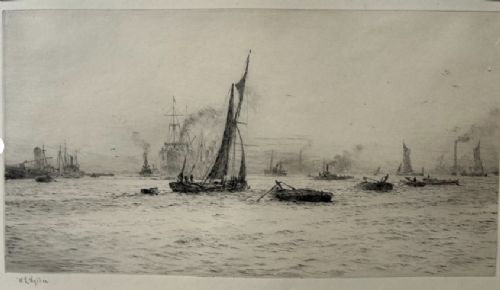
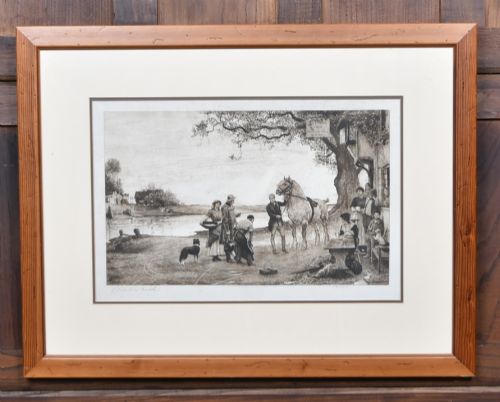
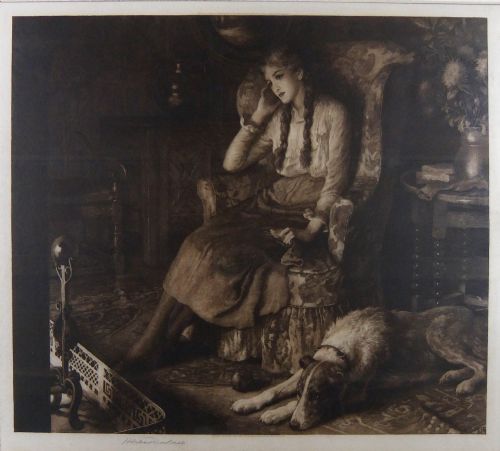
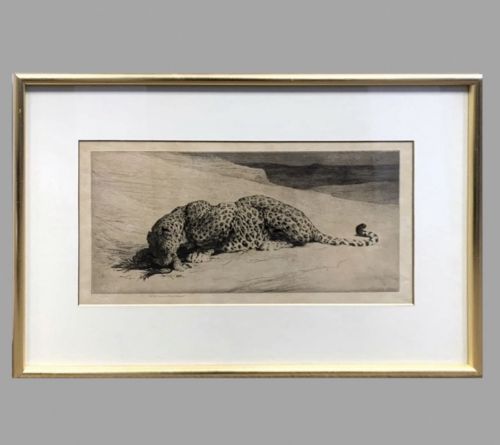
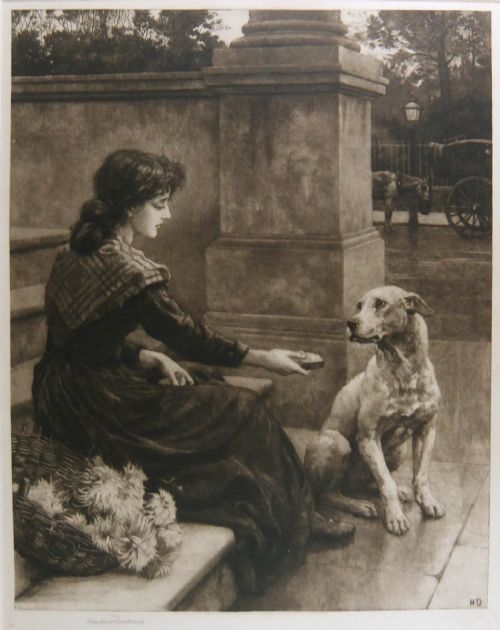
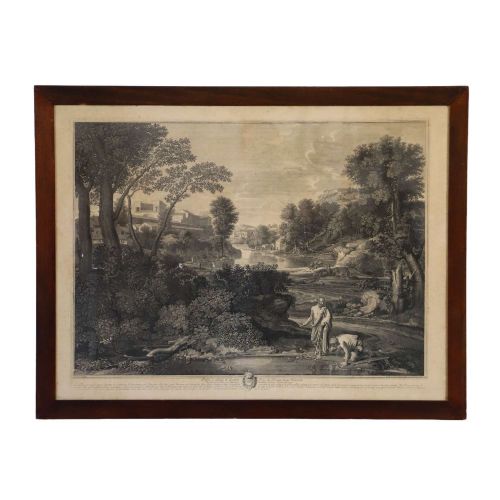
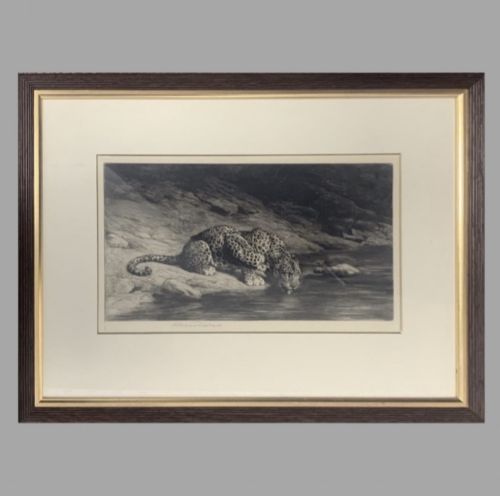
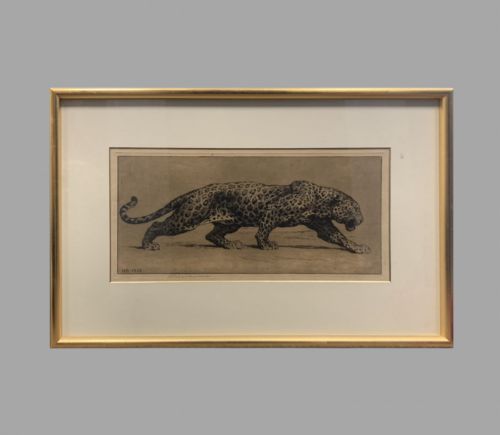
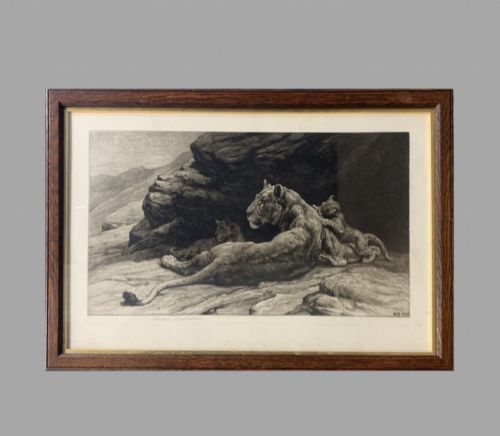
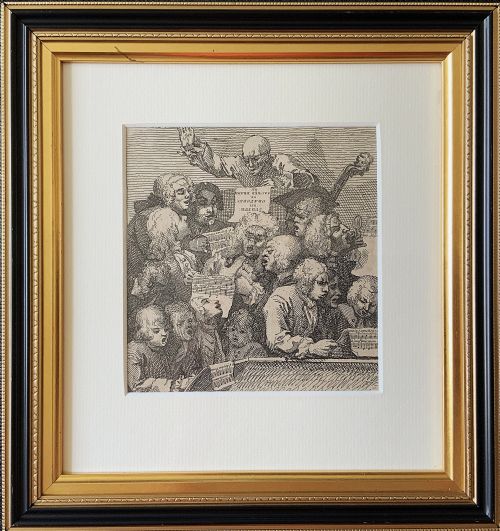


Black White Etching
These black white etching works capture monochrome line and shadow on paper, offering collectors centuries of printmaking skill.
What these black white etching pieces are
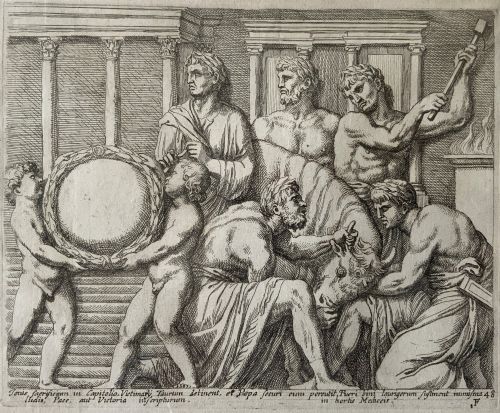
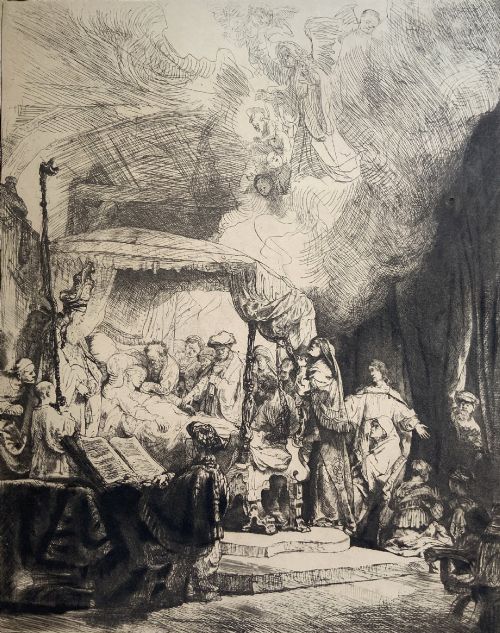
When you search for a black white etching, you encounter printed works spanning from the seventeenth century through to the modern British period. These sheets range from classical antiquity scenes to London street views and coastal studies.
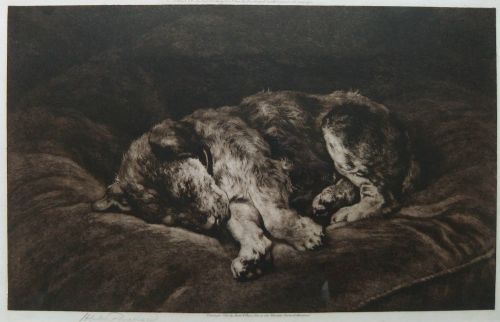
The selection here includes original etchings on paper, alongside prints incorporating aquatint and engraving techniques. Subjects vary from architectural landmarks like Barnards Inn to animal studies and Mediterranean beaches.
Most items on this page date from the Edwardian era up to the nineteen-thirties, with occasional earlier Continental works. Collectors find both signed impressions and blind stamped editions among the listings.
How they were made
Makers create a black white etching by drawing through a protective ground on a metal plate with a needle before biting the design in acid. Printers then apply dark ink to the recessed lines, wipe the surface clean, and transfer the image onto paper under pressure.
Some plates incorporate aquatint alongside traditional etching lines to produce tonal areas of grey and shadow on the paper support. Finished sheets often bear pencil signatures and publisher blind stamps beneath the printed image.
Retail Price Guide 2026
Typical UK retail prices for black white etching, calculated from the Sellingantiques database of over a million retail prices indexed since 2003. This retail price guide relies exclusively on Sellingantiques data; no external sources or auction records are used, so the figures do not describe the wider market.
The listings span four centuries of printmaking, featuring paper and ink works from the seventeenth century through the Edwardian period and nineteen-thirties.
What varies in quality
The distinction between ordinary and superior impressions lies in the crispness of the ink lines and the preservation of the paper sheet. Earlier printings from a well-maintained plate yield sharp contrasts without the blurring seen in worn impressions.
Signatures, artist proofs, and blind stamps elevate certain examples by confirming the direct involvement of the printmaker in the pulling of the edition. The clarity of the paper and the depth of the monochrome tones ultimately determine the visual impact of the work.
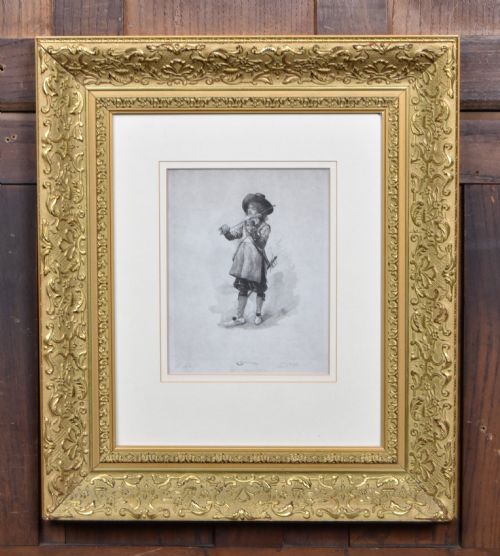
Herbert Dicksee·François Perrier·Albany E. Howarth·Norman Janes
The Black White Etching Glossary
- Etching
- A printmaking method where acid bites lines into a metal plate that holds the ink for transfer onto paper. Artists use this technique to achieve fine linear detail.
- Aquatint
- A variant of etching that produces tonal areas resembling watercolour washes on the printed sheet. It relies on a resin ground to create shades of grey.
- Engraving
- A technique where the maker cuts lines directly into the metal plate using a sharp tool called a burin. This produces clean, precise strokes distinct from acid-bitten marks.
- Blind stamp
- An embossed seal pressed into the margin of the paper by a publisher or society. It authenticates the print without adding ink.
- Impression
- A single copy of a work printed from the prepared plate onto paper. Quality depends on the condition of the plate during that specific printing.
Frequently Asked Questions
How do I care for an etching on paper?
Keep the framed work away from direct sunlight to prevent the paper from yellowing and the ink from fading over time.
Maintain stable humidity levels in the room to protect both the paper support and the mounting materials from moisture damage.
Are these prints original works of art?
Each listed sheet is an original impression pulled from a metal plate created or overseen by the artist. These are distinct from modern photographic reproductions.
The ink rests on the paper surface in defined lines, often accompanied by pencil signatures from the printmaker.
What is a blind stamp on a print?
A blind stamp is an un-inked embossed mark pressed into the paper margin by a publisher or print society. It serves as a mark of validation.
Collectors look for these stamps alongside signatures to verify the origin and legitimacy of the edition.
How do seventeenth-century prints differ from twentieth-century ones?
Seventeenth-century impressions, such as those depicting classical antiquity, display distinct paper stocks and plate-working techniques from earlier eras. They carry the historical weight of early European printmaking.
Twentieth-century works like modern British etchings often employ cleaner modern papers and refined aquatint methods for tonal depth.