

Black Watercolour
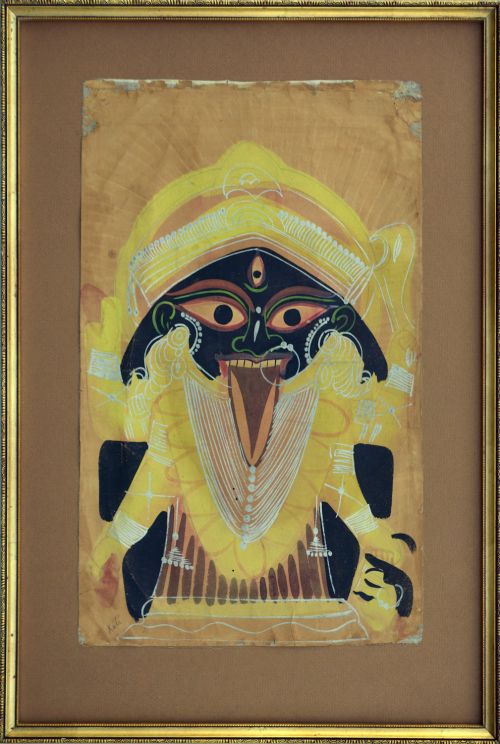
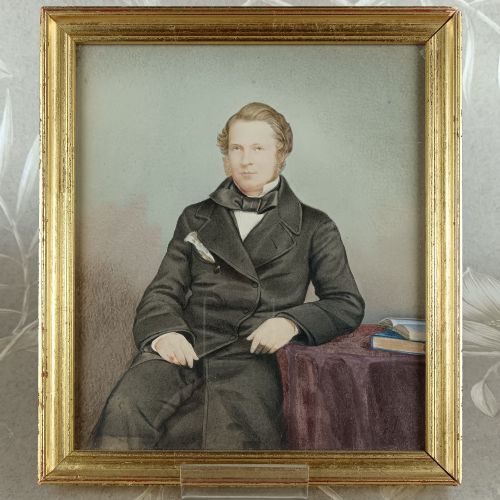
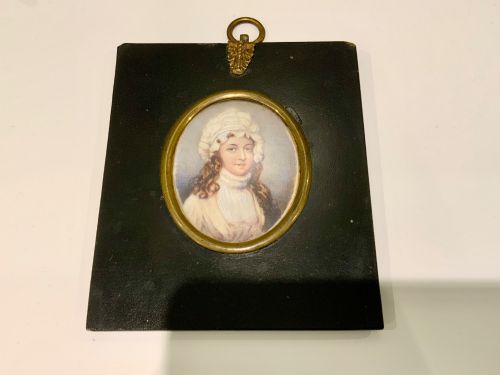
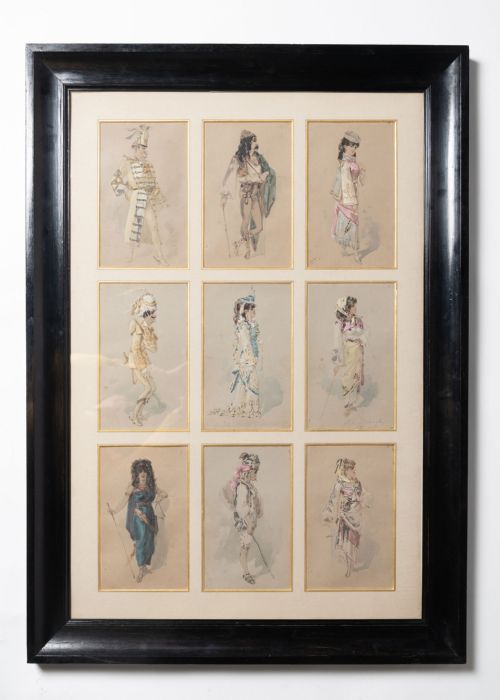
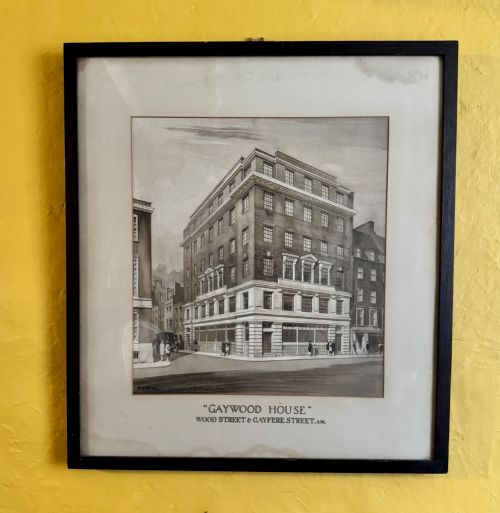
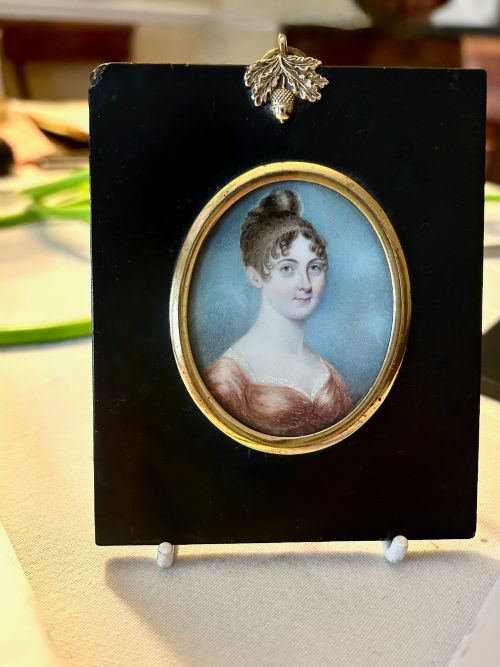
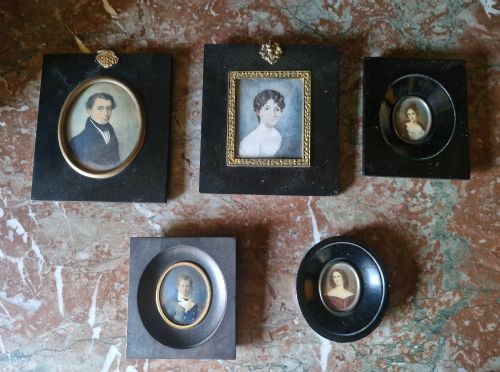
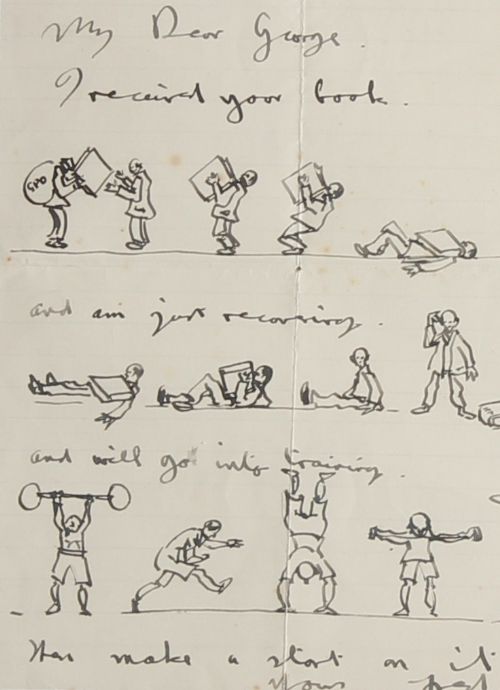
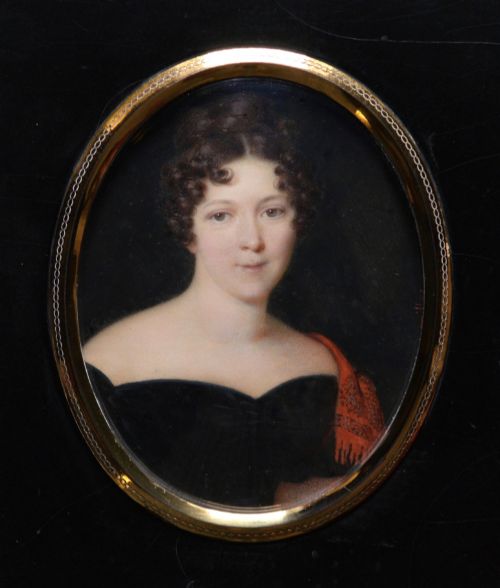
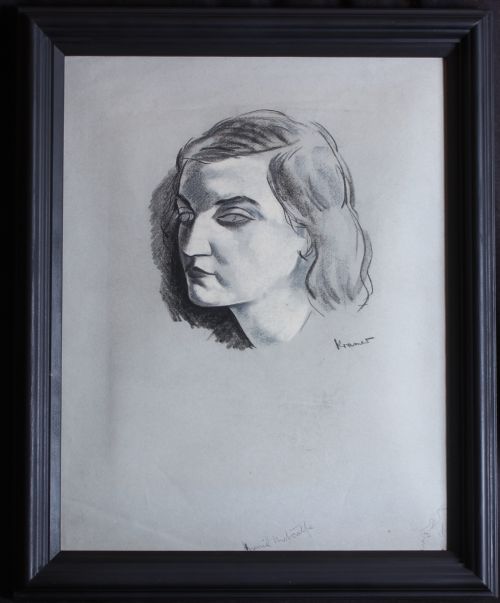
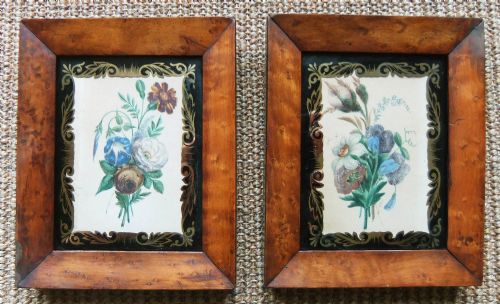
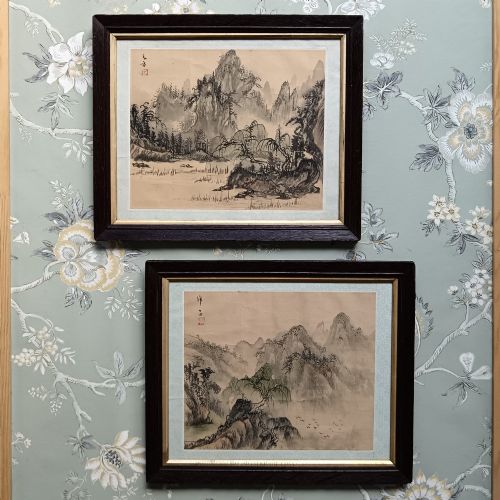
These black watercolour works span portrait miniatures, architectural designs and landscape studies framed in ebonised wood.
Black Watercolour
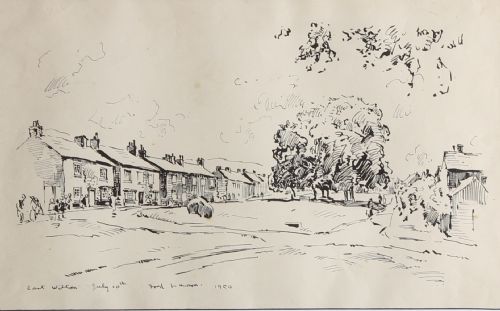
When you search for black watercolour, you encounter works on paper executed in monochrome pigments, ink, and gouache. The pieces range from 18th-century portrait miniatures to 20th-century landscape drawings.
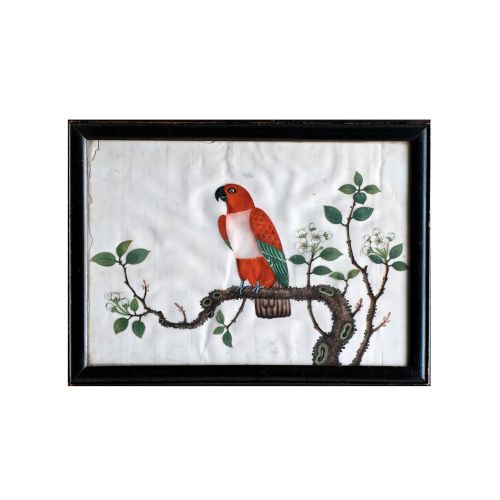
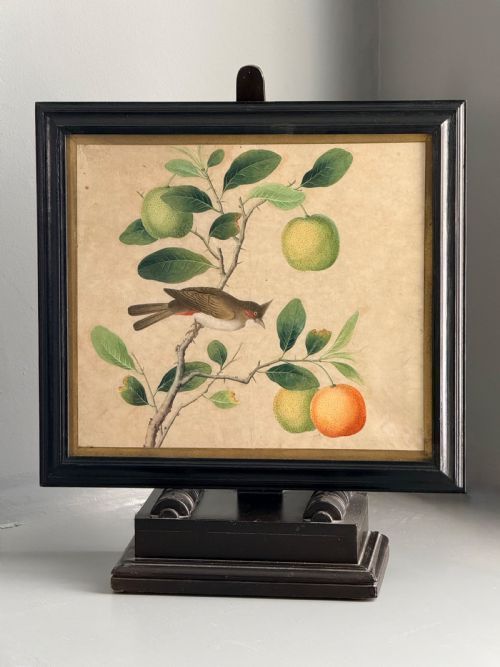
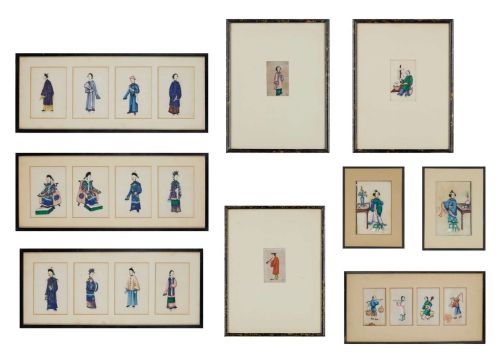
You are most likely to meet Victorian and 20th-century framed artworks on this page. These include architectural designs, pith paintings, and depictions of birds or figures.
The selection encompasses diverse regional schools, including British, American, and Chinese export pieces. Many retain their original frames, often constructed from ebonised wood with gilt details.
Materials and Technique
Artists applied watercolour, ink, and gouache onto paper, silk, and pith. Pith paper, derived from plant stems, provides a delicate, absorbent surface utilised in export paintings.
Framing materials play an essential role in the presentation of these works. Ebonised wood frames, sometimes paired with deep giltwood mounts or brass fittings, protect the fragile media beneath glass.
Black Watercolour Retail Price Guide 2026
Typical asking prices for black watercolour among the pieces listed under this phrase on Sellingantiques today, from the lower quarter to the upper quarter. They describe what is for sale here now, not the wider market.
Listings feature works spanning the 18th, 19th, and 20th centuries, executed in watercolour, ink, gouache, and pastel on paper, silk, and pith.
Evaluating the Range
The distinction at the upper end of the range lies in the precision of the draughtsmanship and the expressive depth of the brushwork. Masterful handling of dark tones creates strong contrast and atmosphere.
Condition and originality dictate the standing of a piece. Works retaining their period ebonised frames and unblemished paper surfaces hold greater integrity than those altered over time.
William James Hubard·Edwin Lord Weeks·Fred Lawson·Jacob Kramer·Archibald Skirving
The Black Watercolour Glossary
- Pith paper
- A delicate material made from the cellular pith of the Tetrapanax papyrifer plant. It absorbs water-based pigments readily, yielding a velvety matte finish.
- Ebonised wood
- Timber treated to resemble ebony, providing a deep black finish. It is frequently seen on frames from the Regency and Victorian periods.
- Gouache
- An opaque water-based paint composed of pigment, water, and a binding agent such as gum. It offers heavier coverage than traditional watercolour.
- Portrait miniature
- A small-scale painting capturing a likeness, popular before the advent of photography. These works utilise fine brushes on paper, ivory, or vellum.
Black Watercolour: Frequently Asked Questions
How should I display antique watercolours safely?
Keep works away from direct sunlight to prevent the pigments and paper from fading over time. Maintain stable indoor humidity levels to protect both the paper and the original ebonised frames.
Use UV-filtering glass if you reframe a piece, though retaining original glass and framing materials is preferred by collectors.
What is pith paper?
Pith paper is a porous, spongy material cut from the pith of a Chinese plant. It accepts watercolour and gouache with a unique velvety depth.
Because the material is fragile, pieces on pith paper require careful handling and preservation behind glass.
How do I identify a Regency period frame?
Regency frames often feature clean profiles, ebonised surfaces, and subtle brass or gilt accents. They complement the darker ink and watercolour tones of the era.
Examine the back of the frame for original construction marks, old fixings, and aged timber backing.
Are these works signed by the artists?
Some pieces bear artist signatures or contemporary inscriptions on the front or reverse. Others remain unattributed, categorised by regional school and period.
Unsigned works are common among portrait miniatures and folk art studies from the 18th and 19th centuries.