







Black Velvet Chairs
These black velvet chairs combine deep, tactile pile with historical timber frames, offering a striking seat for any room.
Black Velvet Chairs
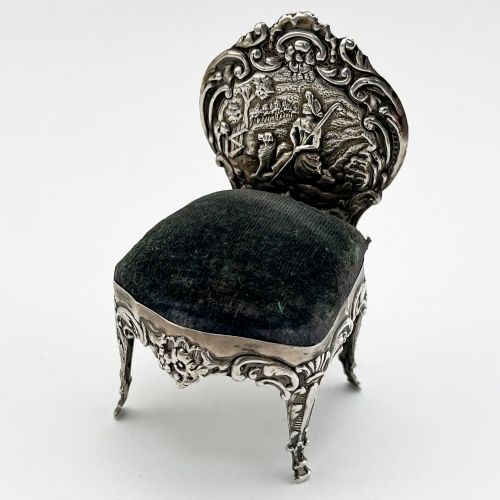
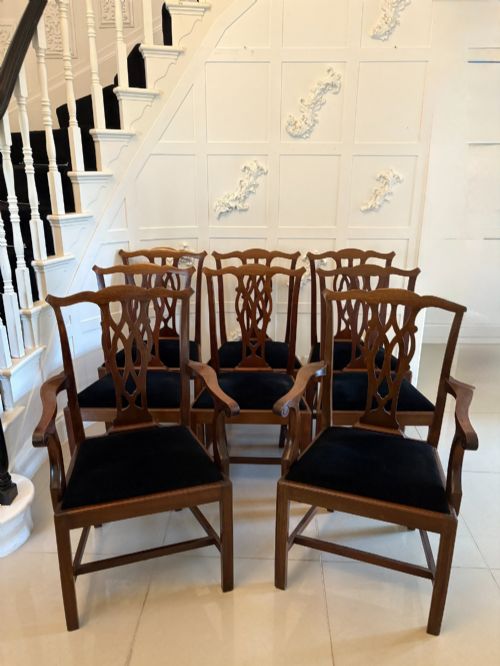
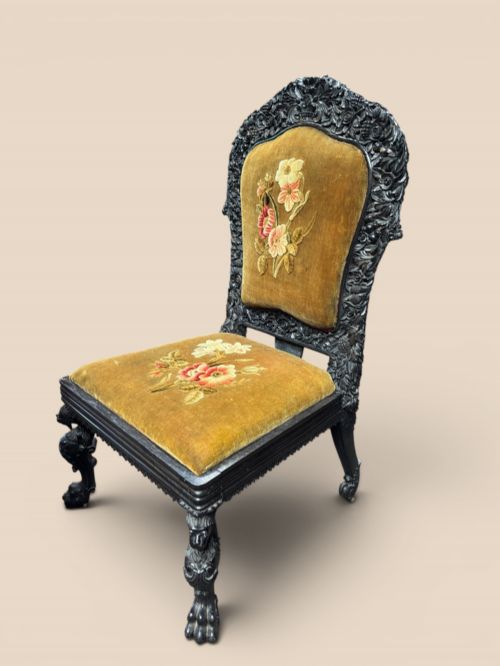
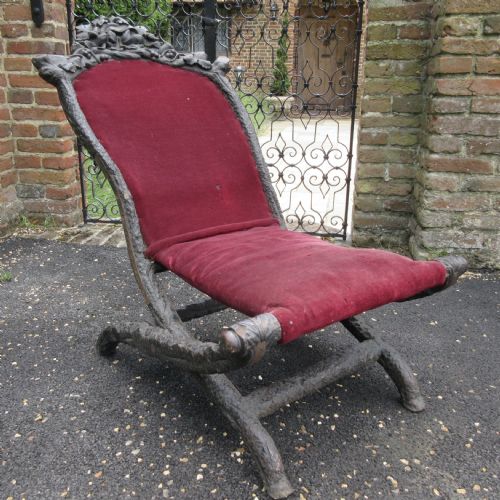
When searching for black velvet chairs, collectors encounter a diverse selection of seating ranging from nineteenth-century Victorian ebonised frames to earlier Georgian designs and carved regional pieces. These forms include armchairs, side chairs, nursing chairs, rocking chairs, and dining sets upholstered in soft pile fabric.
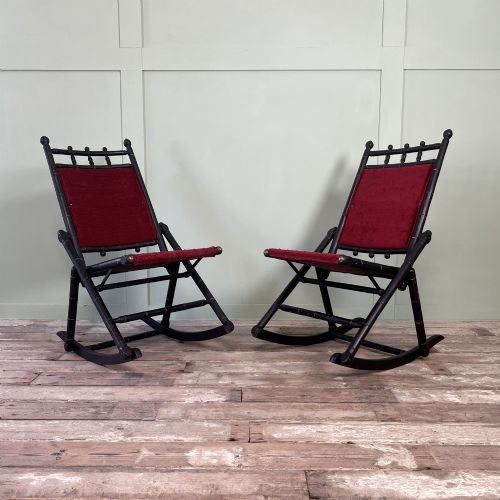
The assortment relies heavily on nineteenth-century examples, particularly Victorian ebonised wood and carved hardwood interpretations. Buyers also find specialist pieces such as Black Forest folding chairs and Aesthetic Movement faux bamboo designs.
What varies in quality
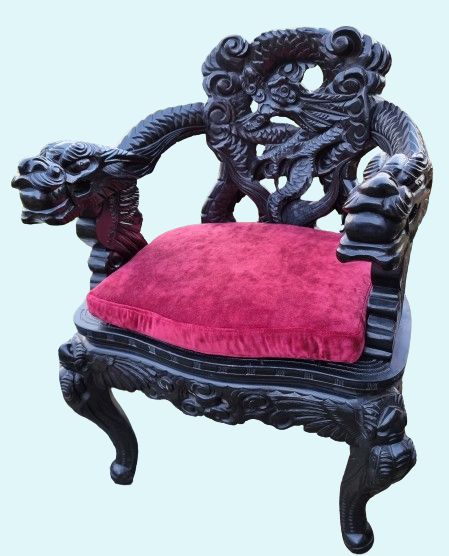
Quality rests in the precision of the timber carving and the structural integrity of the frame, from simple turned legs to deeply relief-carved Black Forest or Oriental motifs. Heavier hardwoods and well-executed ebonising distinguish superior examples from standard production.
The depth and pile of the velvet upholstery, alongside the fidelity of period restoration, further separate unremarkable seating from pieces with strong decorative presence.
Black Velvet Chairs Retail Price Guide 2026
Typical asking prices for black velvet chairs among the pieces listed under this phrase on Sellingantiques today, from the lower quarter to the upper quarter. They describe what is for sale here now, not the wider market.
Materials recorded across the inventory include mahogany, ebonised wood, beech, brass, hardwood, and velvet.
Gillows
The Black Velvet Chairs Glossary
- Ebonised
- Wood stained or painted to imitate the dark, dense appearance of ebony. This treatment was particularly popular during the Victorian era for formal and aesthetic seating.
- Bergere
- An enclosed upholstered armchair with wooden frames and cane or fabric sides. They often appear in sets from the early twentieth century.
- Cockpen
- A Chinese Chippendale style of chair featuring a lattice-work back and straight legs. These form distinctive seating options in the broader antique market.
- Balloon Back
- A rounded, oval-shaped chair back resembling a balloon, widely seen on mid-nineteenth-century dining and side chairs.
Black Velvet Chairs: Frequently Asked Questions
Are black velvet chairs comfortable to use daily?
Most antique examples offer firm, traditional padding suited for regular sitting in a study or drawing room. Their construction relies on solid nineteenth-century frames designed for domestic support.
Buyers should consider the seat height and back angle, as Victorian nursing chairs and occasional seats vary significantly in scale compared to modern furniture.
How do I clean antique velvet upholstery?
Gentle brushing with a soft-bristled brush helps maintain the direction and sheen of the pile. Avoid harsh liquid cleaners that might penetrate the vintage fabric.
Professional restoration is recommended for older pieces to preserve the integrity of both the velvet and the underlying stuffing.
What periods do these chairs come from?
The selection spans from the eighteenth century through the Victorian period and into the early twentieth century. Victorian ebonised and carved wood forms dominate the available styles.
Earlier pieces feature George III designs, while later items include Edwardian dining sets and early twentieth-century lounge chairs.
How can I tell a Victorian chair from an Edwardian one?
Victorian pieces frequently utilise ebonised finishes, heavy rosewood, and elaborate carvings such as those found on Black Forest or nursing chairs. They often prioritise ornate silhouettes and dark tones.
Edwardian examples tend toward lighter mahogany dining sets and cleaner revival styles, reflecting shifts in domestic interior fashion.