





Black Paper Profile
A black paper profile captures a likeness through swift scissors and dark silhouette work, offering a direct window into historical faces.
Black Paper Profile
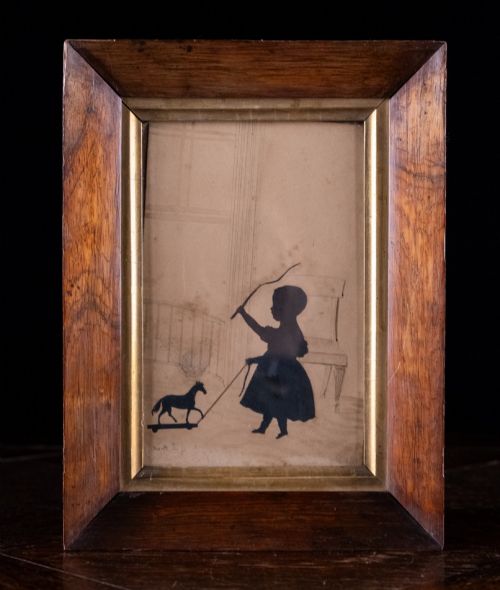
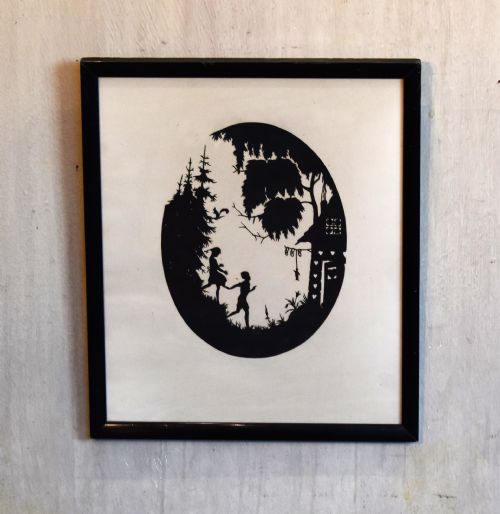
A black paper profile is primarily found as a framed silhouette portrait depicting gentlemen, ladies, and children from the eighteenth and nineteenth centuries. These works range from simple bust formats to full-length cut-paper figures enriched with watercolour and gold leaf detailing.
The pieces appearing on this page span several distinct periods including the Georgian, Regency, and Victorian eras, often presented within traditional wood or ebony frames behind glass. Alongside single portraits, collectors encounter conversation pieces, family groups, and equestrian subjects.
Makers and studios of the period utilised meticulous hand-cutting techniques to capture profiles before photography became widespread. Many examples rely solely on crisp black paper mounted against pale grounds, while others incorporate delicate highlights applied with ink or metallic leaf.
How they were made
Frames play an integral role in the preservation of these works, commonly constructed from maple, ebony, or other woods enclosing protective glass. Brass hangers and bezels frequently secure the backing boards, sealing the delicate paper within a tight microclimate.
Black Paper Profile Retail Price Guide 2026
Typical asking prices for black paper profile among the pieces listed under this phrase on Sellingantiques today, from the lower quarter to the upper quarter. They describe what is for sale here now, not the wider market.
Nineteenth-century silhouettes occasionally captured family pets and farmyard animals joining their owners for the ultimate formal sitting.
What varies in quality
Quality in a black paper profile rests upon the precision of the scissor work and the accuracy of the anatomical silhouette. Skilled practitioners conveyed personality, posture, and contemporary fashion with minimal cuts, whereas lesser examples lack crisp edges and proportions.
The presence of contemporary artist signatures, studio stamps such as the Royal Victoria Gallery, and original framing substantially elevates a piece. Secondary media like hand-painted watercolour accents and genuine gold leaf highlights further distinguish finer works from standard commercial output.
James McArdell·Augustin Edouart·Frederick Frith·Alfred Darbyshire·George Atkinson·John Smith of Edinburgh·John Duncan Fergusson·Leo Klin
The Black Paper Profile Glossary
- Silhouette
- A portrait represented as a solid shape, usually black on a light background, profile-facing and cut from paper or painted. This form predates photography as an affordable method of recording likenesses.
- Hollow-cut
- A silhouette technique where the profile is cut out from a sheet of white paper, which is then laid over dark fabric or paper to reveal the image. This method allowed multiple copies to be produced by pressing backing materials through the aperture.
- Conversation piece
- An informal group portrait, often depicting family members or companions interacting in a domestic setting. These complex compositions frequently incorporate silhouettes of children, adults, and animals.
- Bronzing
- The application of gold watercolour or metallic powder to highlight details such as hair ornaments, buttons, and lace on a dark paper profile. This technique adds depth and decorative brilliance to otherwise plain silhouettes.
- Eglomise
- A glass gilding technique where a design is painted or applied in gold leaf to the reverse side of glass, frequently used as a decorative mount or border for framed portraits.
Black Paper Profile: Frequently Asked Questions
How do I identify a genuine period silhouette?
Examine the paper texture, framing materials, and backing boards for signs of age such as hand-cut edges and nineteenth-century glues. Contemporary pieces often reveal mechanical precision or modern adhesives under close inspection.
Look for period handwritten inscriptions on the reverse, which frequently name the sitter and date the work to the Georgian or Victorian eras.
Were these profiles painted or cut?
Makers employed both methods, sometimes combining paper cutting with painted highlights in watercolour or ink. Cut-paper silhouettes involve snipping black paper with scissors, whereas painted versions use dark pigments directly on card or glass.
Many fine examples utilise cut paper enhanced with gold leaf to articulate costume details and hair.
What is a conversation piece silhouette?
A conversation piece is an elaborate composition showing multiple figures, often including children, pets, and furniture within a single framed scene. These narrative works offer a glimpse into domestic life during the nineteenth century.
They require larger formats and greater skill from the artist to arrange diverse silhouettes harmoniously.