
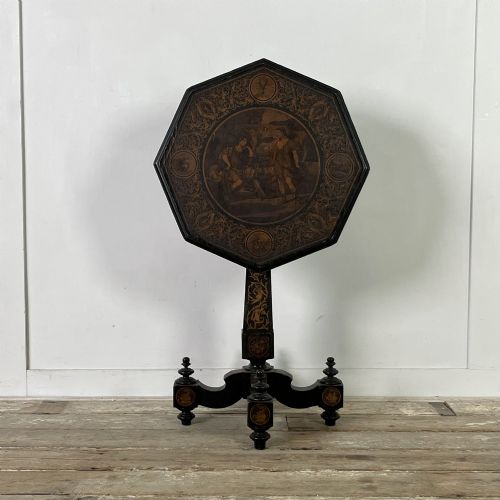


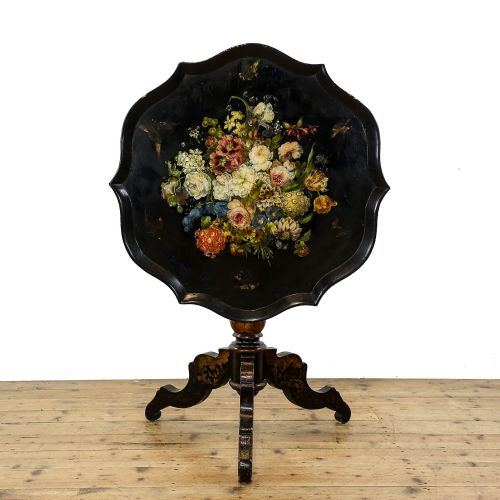
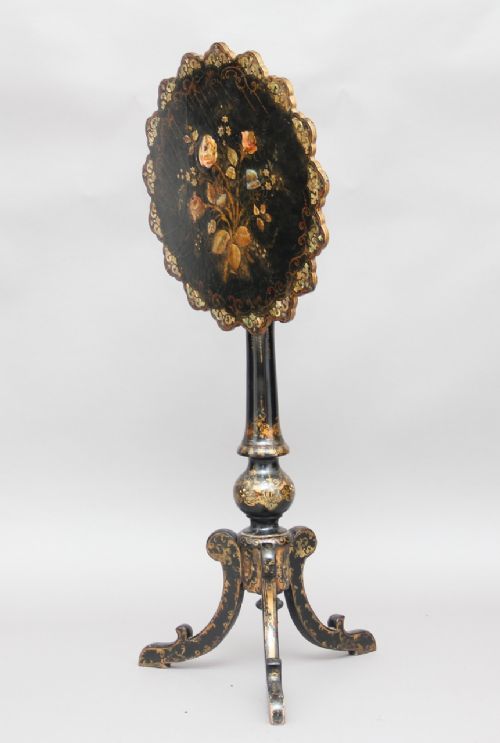

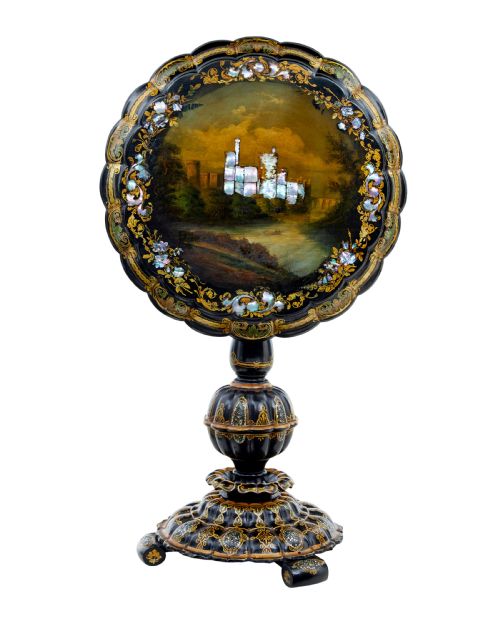
Black Painted Wine Table
A black painted wine table brings dark elegance and compact surface utility to a room, spanning nineteenth-century papier-mâché and eighteenth-century wood.
Black Painted Wine Table
When you search for a black painted wine table, you encounter a diverse collection of small occasional furniture spanning the eighteenth and nineteenth centuries. These portable surfaces served various domestic roles, appearing as tripod tables, tilt-top tables, and gueridons in daily life.
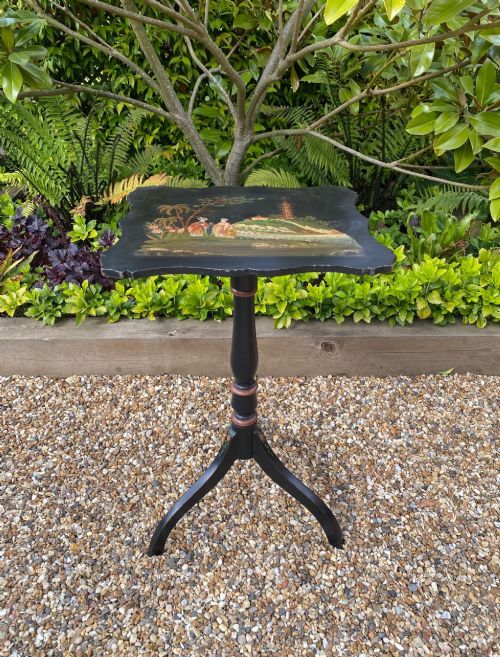
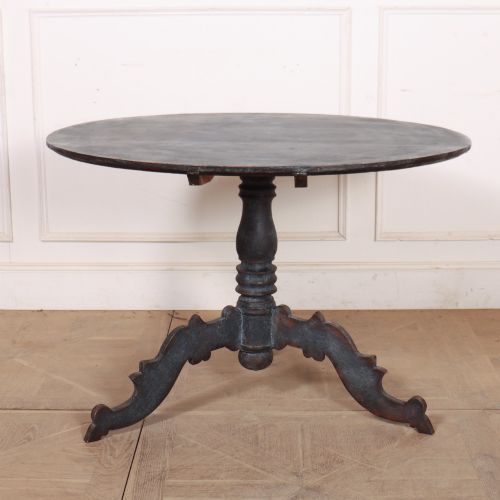
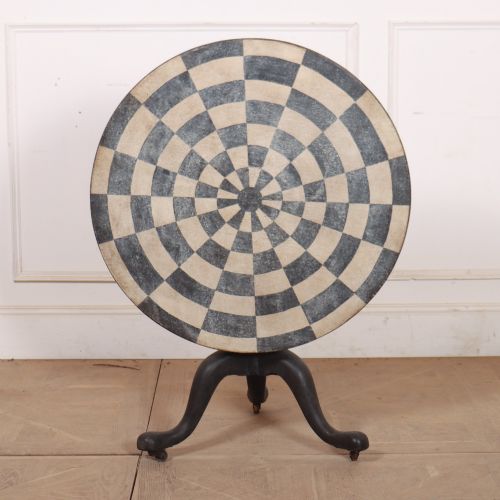
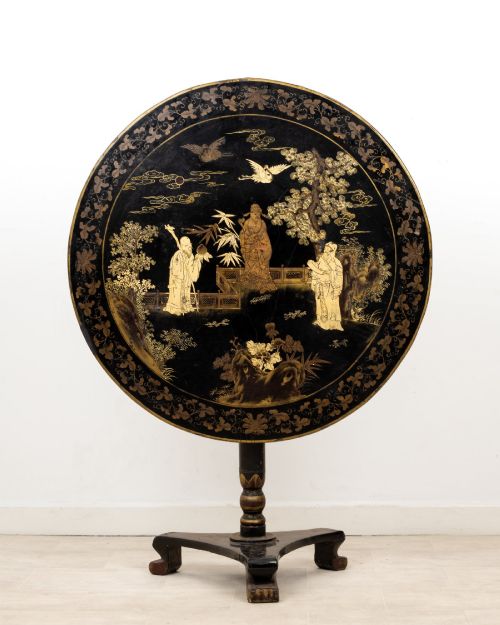
The evidence shows forms ranging from Victorian papier-mâché examples to Regency pedestals and Scandinavian country painted supper tables. You are most likely to meet pieces finished in lacquer, paint, and gilding, often featuring decorative details like Chinoiserie motifs or mother-of-pearl inlay.
Originating from English, French, Chinese, and Swedish traditions, these tables vary widely in their structural design. Some utilise a simple tripod base, while others present sophisticated tilt-top mechanisms or tray tops suited for holding drinks or display objects.
How they were made
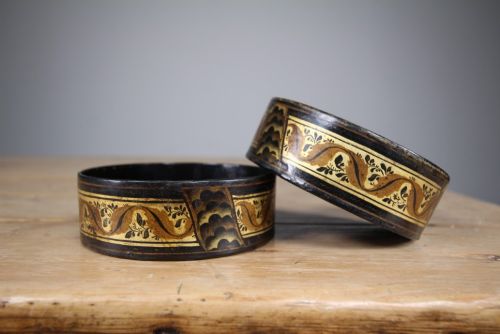
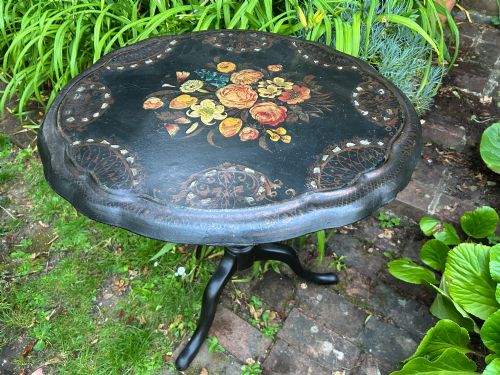
Maker workshops utilised wood, papier-mâché, and lacquer as foundational materials for constructing these small tables. Artisans applied successive coats of paint and hand-painted decoration, occasionally incorporating ink work or mother-of-pearl inlay into the surface.
Gilt and gold leaf were frequently employed to highlight details on Victorian and Regency frames. Lacquered and japanned surfaces underwent careful polishing to achieve the dark, reflective finishes seen on Chinese and European examples.
Materials recorded across the inventory include wood, lacquer, paint, papier-mâché, gilt, gilding, painted wood, and gold leaf.
What varies in quality
The refinement of the hand-painted decoration and the execution of intricate Chinoiserie or neoclassical motifs distinguish finer examples from simpler provincial pieces. Superior items display crisp linework, delicate gilding, and well-preserved lacquering that withstands close inspection.
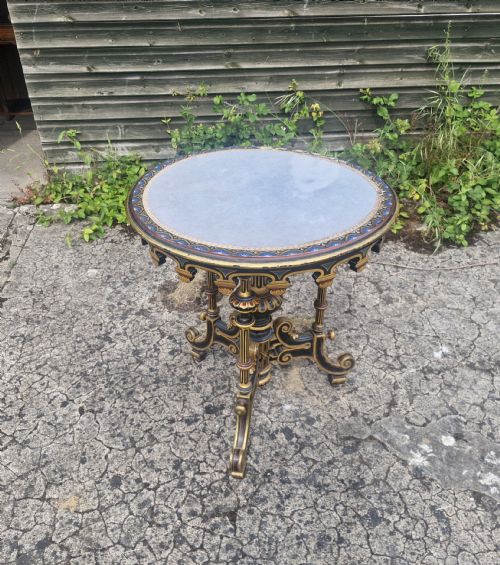
The integrity of the construction, such as the stability of the tripod base and the smooth operation of the tilt-top mechanism, marks the distinction between standard utility items and masterwork pieces. Original tabletops, particularly marble inserts on French gueridons or intact mother-of-pearl in papier-mâché, elevate the overall standard.
The Black Painted Wine Table Glossary
- Tilt-top table
- A small table with a hinged top that pivots to a vertical position for storage when not in use. This clever mechanism saved valuable floor space in historical rooms.
- Papier-mâché
- A composite material made of paper pulp mixed with glue and resin, pressed into moulds and baked. It provided a smooth, durable base for dark paint and mother-of-pearl inlay.
- Chinoiserie
- European interpretations of Chinese and East Asian artistic traditions, featuring motifs of figures, pavilions, and landscapes. It was especially popular on lacquered furniture.
- Gueridon
- A small French occasional table supported by one or more columns, often topped with marble. The form originated in the seventeenth century and continued into the nineteenth century.
- Japanned
- European lacquerwork created in imitation of Asian imports through the application of dark varnishes and metallic powders. Craftsmen baked the layers to produce a hard, glossy finish.
Black Painted Wine Table: Frequently Asked Questions
What is a black painted wine table used for?
These compact tables historically served to hold wine bottles, glasses, or small decorative items during social gatherings. Today, they function well as bedside surfaces or accent pieces beside seating.
Their small footprint allows them to fit easily into confined spaces while adding a dark decorative accent to an interior.
How do I identify a Victorian papier-mâché table?
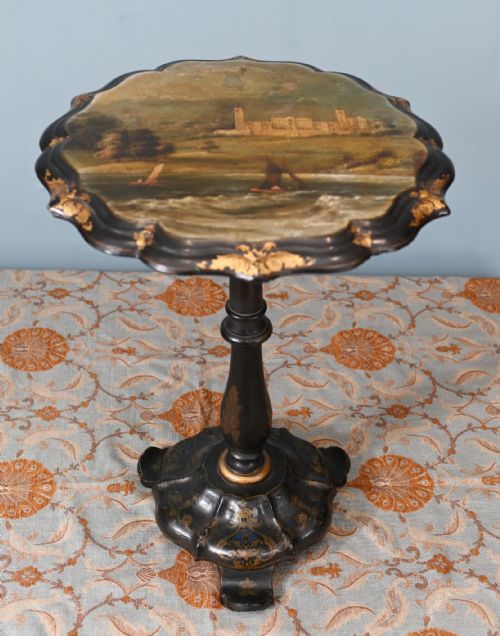
Victorian papier-mâché tables feel surprisingly light yet rigid, constructed from compressed paper pulp treated with resins. They frequently feature deep black lacquer surfaces inlaid with shimmering mother-of-pearl.
Many examples incorporate tilt-top mechanisms supported by turned pedestals and circular or scalloped bases.
What is the difference between Chinoiserie and standard painted tables?
Chinoiserie tables display distinct Asian-inspired motifs such as pagodas, exotic figures, and landscapes rendered in gold or coloured paint. Standard painted tables might feature simple floral decoration, plain dark finishes, or neoclassical motifs.
The former requires specialised hand-painting techniques to achieve the narrative scenes characteristic of the style.
How should I care for an antique lacquer surface?
Keep antique lacquer and painted finishes away from direct sunlight and excessive moisture to prevent fading or lifting. Dust gently with a dry, soft cloth rather than using commercial cleaning sprays.
Maintaining stable room humidity protects the underlying wood and papier-mâché from warping or cracking over time.