


Black Metal Table
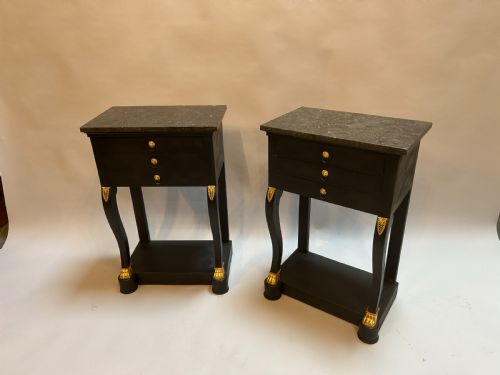
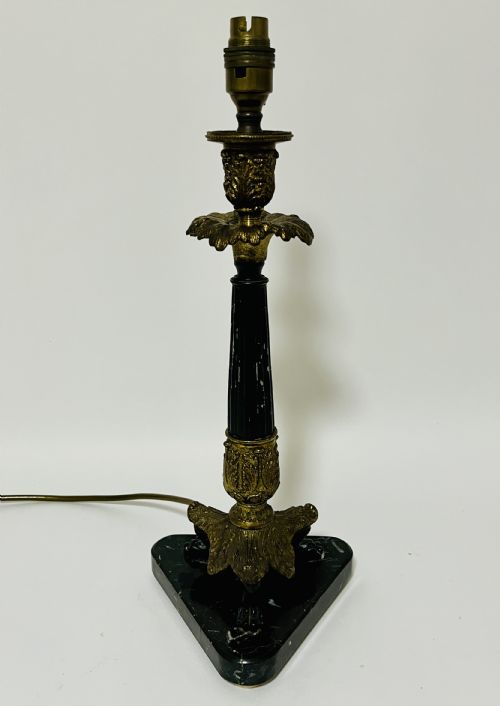
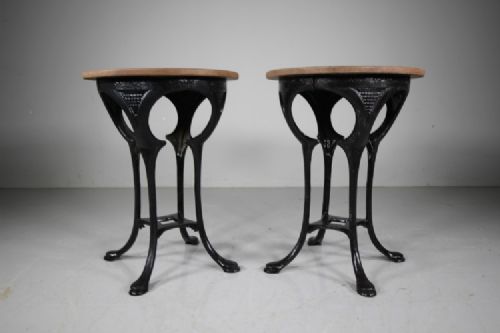
A black metal table brings industrial weight and dark linear structure into a room, spanning garden sets, side tables, and occasional forms.
Black Metal Table
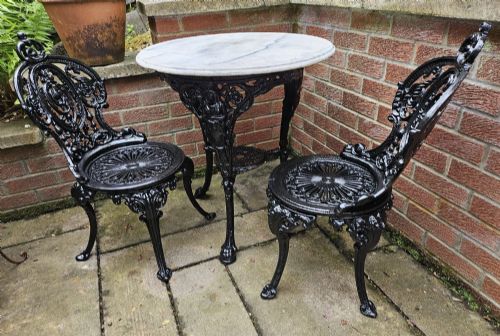
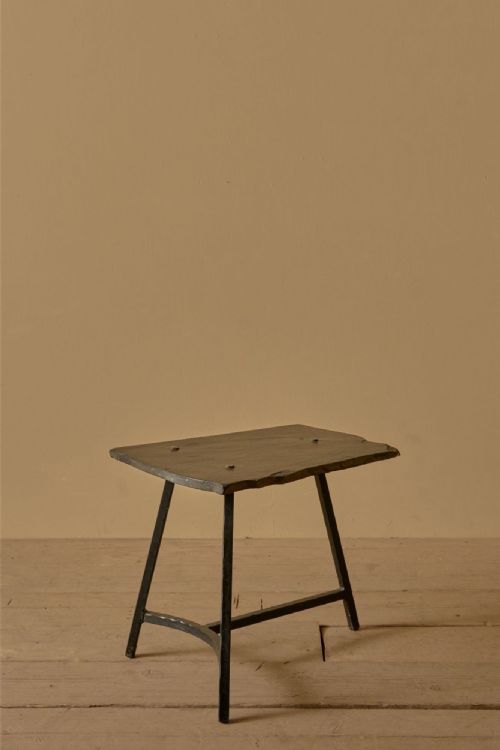
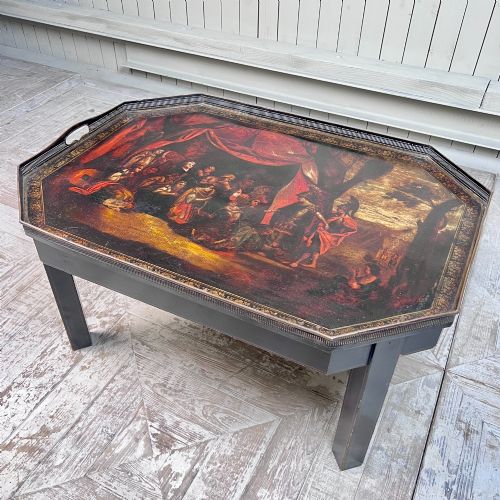
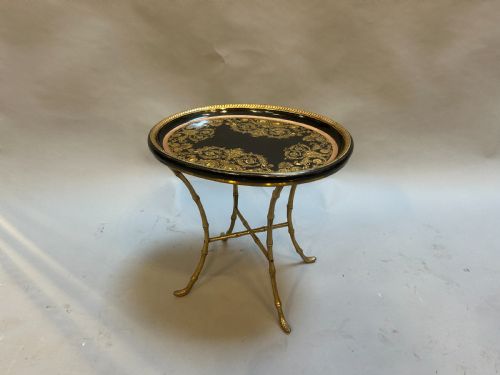
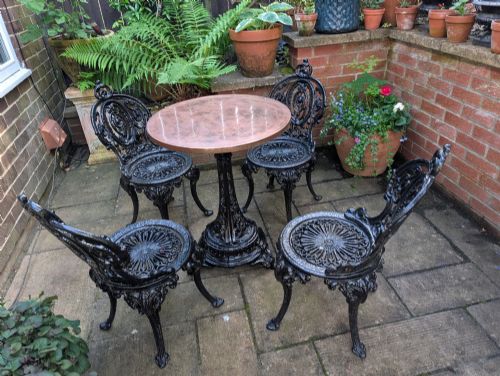
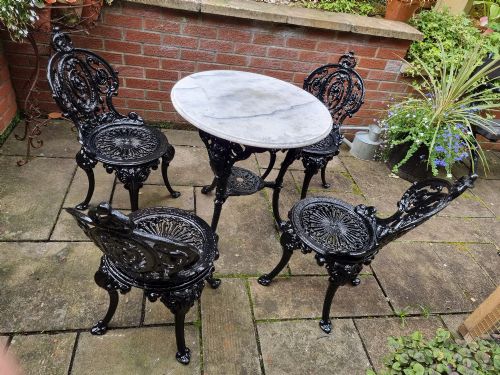
When you search for a black metal table, you encounter diverse forms ranging from robust garden dining sets and bistro pieces to refined side tables and occasional surfaces. The materials span cast iron, wrought iron, steel, and toleware, often paired with contrasting tops in marble, slate, glass, or wood.
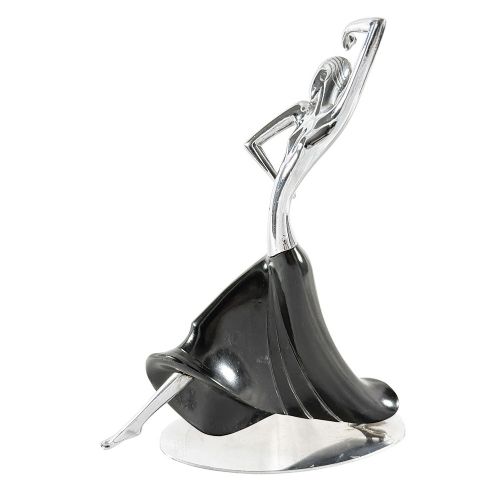
The selections appearing under this heading stretch from the nineteenth century through the Edwardian era into the Art Deco period of the 1920s and 1930s. French and British examples predominate, bringing distinct regional silhouettes from scrolling Victorian garden works to sleek modernist chrome and metal combinations.
Buyers meet sturdy outdoor furniture alongside interior display surfaces, each showing the heavy utility or decorative finish typical of its decade of origin. The darker metal framework provides a stable architectural foundation regardless of whether the surface function is domestic or garden-oriented.
Construction and material techniques
Makers utilised heavy cast iron and wrought iron for structural frames, shaping molten metal in sand moulds or hammering heated bars into scrolling garden and interior supports. These structural elements frequently sustain heavy tops of white or black marble, slate, and glass.
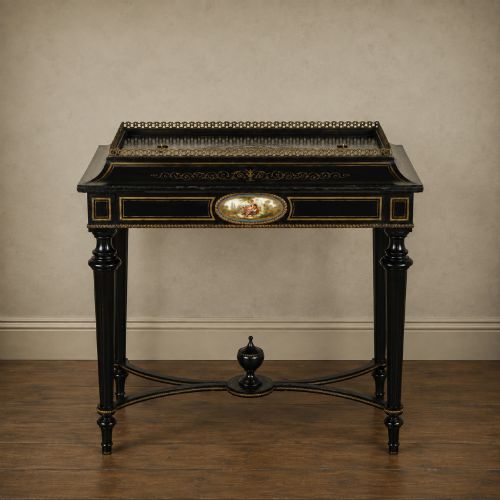
Surface treatments define much of the visual character, combining painted black finishes, ebonised coatings, and lacquered toleware surfaces with gilt bronze or brass mounts. Artisans also integrated specialised components such as original hardware, mirrored panels, and inset tiles into the metal framework.
Black Metal Table Retail Price Guide 2026
Typical asking prices for black metal table among the pieces listed under this phrase on Sellingantiques today, from the lower quarter to the upper quarter. They describe what is for sale here now, not the wider market.
The listings span the nineteenth century, Edwardian era, 1920s, and 1930s, utilising cast iron, wrought iron, brass, marble, glass, and toleware.
Factors separating standard examples from exceptional pieces
Quality rests on the crispness of the iron casting, the complexity of the scrollwork, and the integrity of original surface finishes like black paint or patinated lacquer. Pieces retaining their original stone, marble, or mirrored tops command greater appreciation than later replacements.
The sophistication of design details, such as integrated bronze mounts, hand-painted ornamentation, or signed foundry work, elevates an ordinary utilitarian frame into a piece of decorative art.
Archibald Knox·Mallets
The Black Metal Table Glossary
- Cast iron
- A hard, brittle alloy of iron and carbon poured into moulds to create intricate scrollwork and heavy furniture frames. It provides rigid support for garden sets and table bases.
- Wrought iron
- Iron beaten or bent into shape by hand while hot, allowing for flexible, durable structural forms. It appears frequently in French interior and garden tables.
- Toleware
- Enamelled or lacquered metalware, often painted in black and gold with decorative motifs. It forms durable trays and decorative surfaces.
- Ebonised
- Wood or metal treated to acquire the dark, dense appearance of ebony. This finish was widely favored in nineteenth-century decorative pieces.
- Spelter
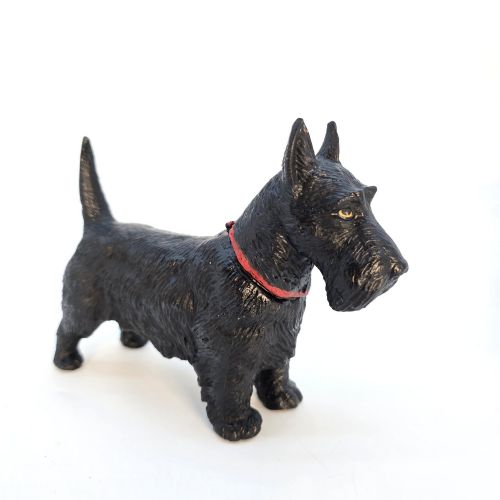
- A zinc alloy used as a cheaper alternative to bronze for casting figures and decorative mounts. It is frequently found painted or patinated to mimic heavier metals.
Black Metal Table: Frequently Asked Questions
How do I clean a cast iron table?
Dust the surface regularly with a soft, dry cloth to prevent dirt accumulation in the scrollwork. Avoid harsh chemical cleaners that can strip the original black finish.
For stubborn grime, use a slightly damp cloth with mild soap, drying the metal thoroughly immediately afterward to prevent rust formation.
Can these garden tables stay outside year-round?
While cast and wrought iron withstand outdoor conditions, prolonged exposure to moisture eventually induces rust. Many owners prefer storing them under cover during harsh winter months.
Applying a protective wax or specialised sealant helps preserve the dark metal surface against rain and damp air.
How do I date a black metal table?
Examine the manufacturing techniques, such as rough sand-casting marks on older ironwork versus smoother twentieth-century welded or chromed steel joints. Fasteners like flat-head screws or hand-forged rivets also offer clues to the period.
Match the stylistic cues, such as Victorian scrollwork or Art Deco geometric lines, with the accompanying materials like marble or glass tops.
Are marble tops original to these bases?
Original marble and slate tops usually fit the precise dimensions of the iron frame with matching wear patterns along the edges. Look for consistent ageing between the stone surface and the metal base.
Replacements often fit loosely or display modern polishing techniques that contrast with antique patinated frames.