











Black Marble Statue
A black marble statue brings substantial presence to a room, pairing dense stone bases with classical or Art Deco figures.
Black Marble Statue
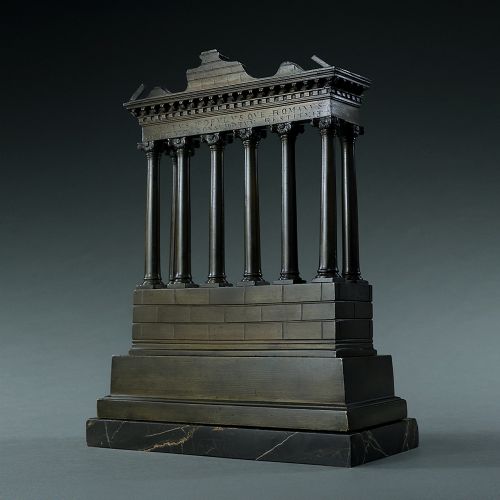
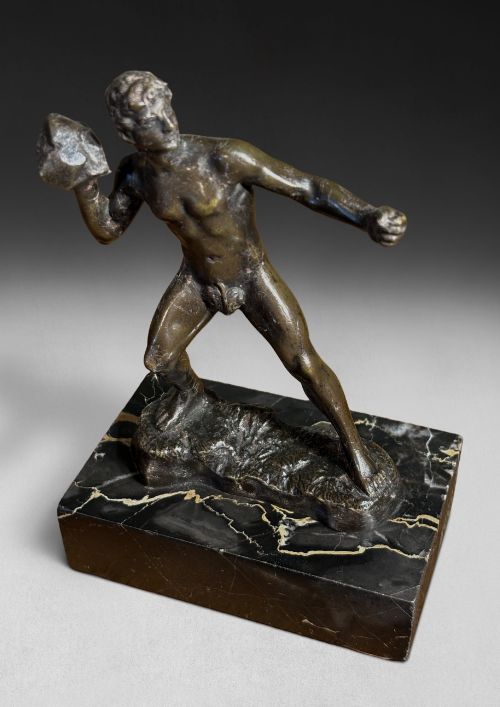
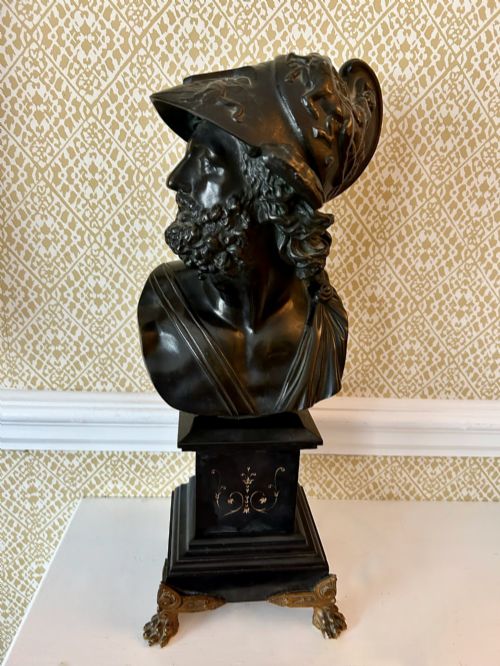
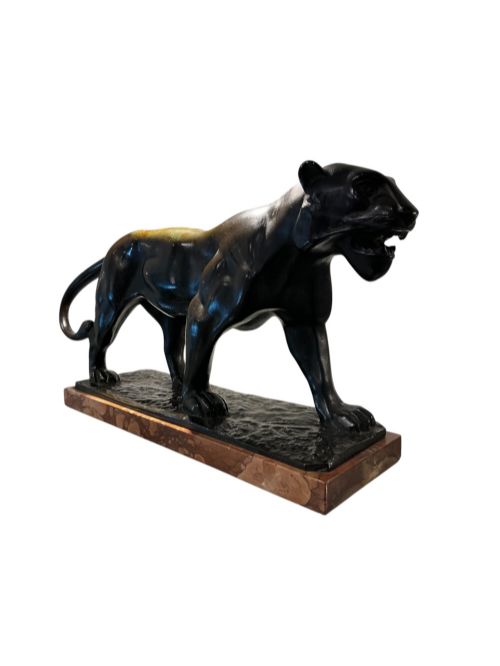
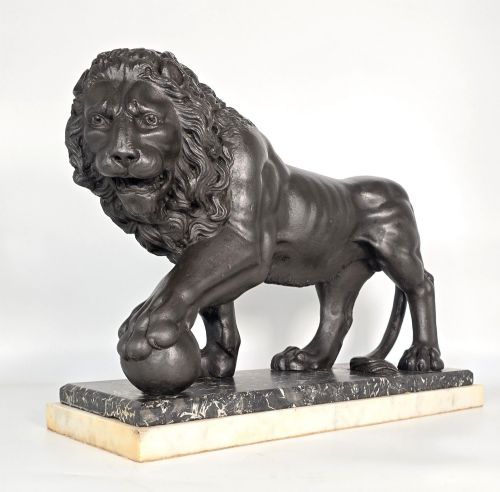
A black marble statue typically combines a sculptural subject in bronze, spelter, or carved stone mounted onto a dark polished plinth. These works span the nineteenth century through the Art Deco period, incorporating neoclassical themes, grand tour souvenirs, and athletic animal studies.
The objects take the form of mantel clocks, figural groups, busts, and standalone animal sculptures. Buyers encounter French Empire, Egyptian Revival, and Regency influences alongside bold twentieth-century modernism.
Judging quality in sculpture and bases
Quality rests in the crispness of the metal chasing, the depth of the casting detail in the figure, and the selection of the stone plinth. Superior pieces display finely articulated hands, hair, and animal musculature without surface pitting.
The integration between the sculpture and its mount dictates the overall standard. Tightly fitted junctions and heavy, uniform stone bases separate superior studio work from commercial output.
Black Marble Statue Retail Price Guide 2026
Typical asking prices for black marble statue among the pieces listed under this phrase on Sellingantiques today, from the lower quarter to the upper quarter. They describe what is for sale here now, not the wider market.
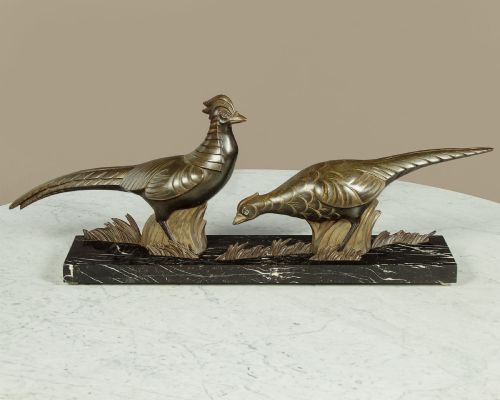
Golden pheasants, racing greyhounds, and diving seagulls share the stone plinths with classical dancers and mythical sphinxes.
Bruno Zach·Pierre le Faguays·Ferdinand Preiss·Alexandre Ouline·Demetre Chiparus
The Black Marble Statue Glossary
- Spelter
- A zinc alloy used as a cost-effective substitute for bronze in decorative figures. It takes patination well to resemble heavier metals.
- Grand tour
- Souvenirs collected by travellers in Europe during the nineteenth century, reproducing classical antiquities and architecture in bronze and marble.
- Patinated bronze
- Metal treated with chemicals to produce a stable surface colour ranging from deep brown to black. This finish protects the alloy and defines sculptural contours.
- Plinth
- The heavy base block supporting a statue or clock. In these pieces, it is frequently formed from polished black marble or onyx.
- Cold-painted
- A technique where paint is applied to a metal sculpture without firing. This finish appears frequently on twentieth-century dancer and animal figures.
Black Marble Statue: Frequently Asked Questions
How do I clean a black marble statue?
Dust the stone and metal gently with a soft, dry cloth. Avoid commercial liquid cleaners or harsh chemicals that can strip patination from the metal or etch the polished stone surface.
For the marble base, a slightly damp cloth followed immediately by a dry buffing will remove fingerprints. Keep moisture away from any joined areas between the stone and metal.
Are these pieces original Art Deco?
The selection includes works produced during the active design period of the 1920s and 1930s. Signatures, foundry marks, and material choices help confirm the period of manufacture.
Examine the casting quality and mounting style to distinguish authentic twentieth-century studio pieces from later reproductions.
What is the difference between bronze and spelter?
Bronze is a durable copper alloy that accepts fine detail and holds a rich patina over centuries. Spelter is a softer zinc-based metal that feels lighter and appears more frequently in commercial decorative objects.
Magnification reveals the tighter grain and sharper definition of a bronze casting compared to the softer edges often found on spelter figures.
How were marble bases finished?
Stones were cut, shaped, and polished to a smooth, reflective finish to anchor the metal sculpture above. Variations in natural veining mean no two plinths share identical patterns.
Edges were frequently bevelled or stepped to complement the aesthetic of the period, particularly during the Art Deco era.