




Black Marble Column
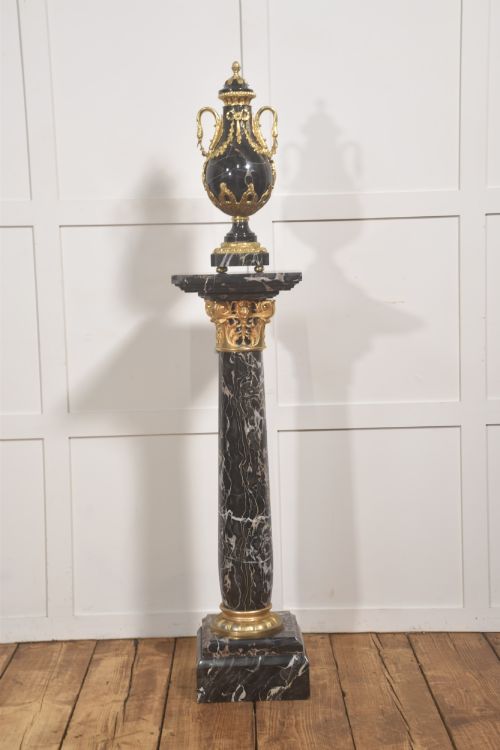
A black marble column brings architectural presence to a room, offering robust dark stone forms shaped into pedestals, clock cases, and stands.
Black Marble Column
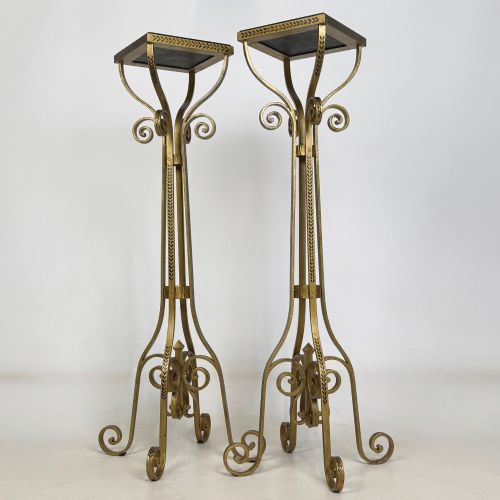
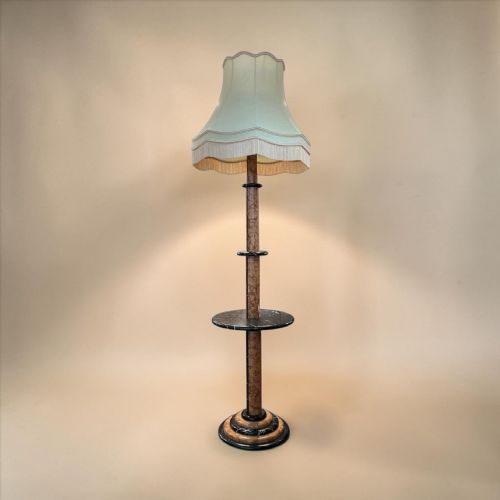
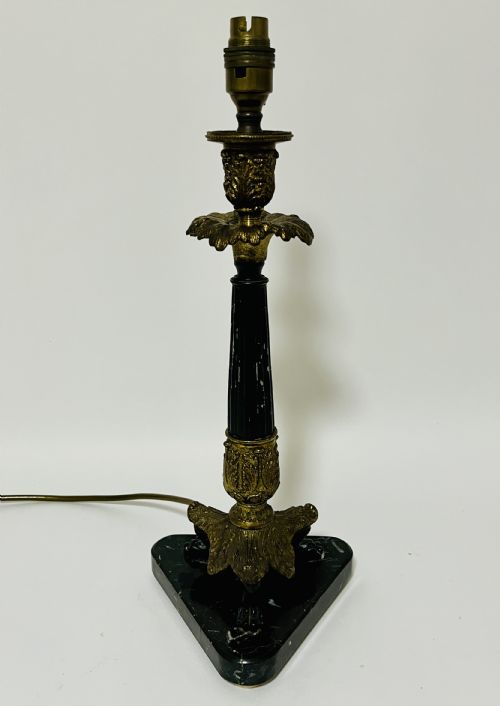
When you search for a black marble column, you encounter structural decorative items ranging from Victorian mantel clocks and garnitures to plant stands, pedestals, and table lamps.
The objects stem predominantly from the nineteenth century and the early decades of the twentieth century, carrying Victorian, French Empire, Louis XVI, and Art Deco design vocabularies.
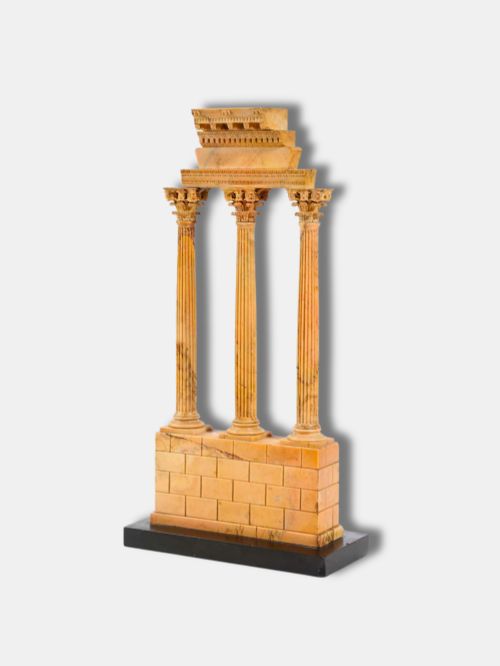
Many examples combine dark stone or slate with contrasting mounts in brass or gilt metal, echoing classical architecture and Grand Tour souvenirs.
Distinguishing quality across the range
Superior pieces display precise stonecutting, sharp architectural moulding, and heavy, solid mineral construction rather than surface veneering.
The refinement of cast metal mounts, such as gilt brass bezels or classical ornamentation, separates standard production items from finer studio and maker output.
Black Marble Column Retail Price Guide 2026
Typical asking prices for black marble column among the pieces listed under this phrase on Sellingantiques today, from the lower quarter to the upper quarter. They describe what is for sale here now, not the wider market.
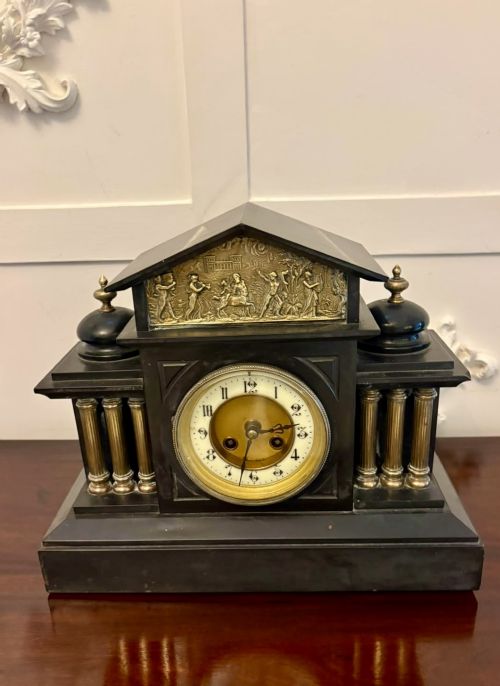
Several Victorian clocks possess heavy eight-day movements, quietly measuring time while disguised as miniature classical temples.
Baby and Jannings·Philippes Paris·Eduardo Giolli
The Black Marble Column Glossary
- Garniture
- A set of matching decorative objects, typically a mantel clock flanked by matching urns or candelabra. These matched suites dominate nineteenth-century mantel displays.
- Scagliola
- A composite substance made from glue, plaster, and pigments that imitates stone. Artisans applied this technique to create columns and plinths.
- Portico clock
- A mantel clock featuring a temple-like architectural case supported by columns. They reflect classical revival movements.
- Grand Tour
- The nineteenth-century practice of travelling through Europe to collect art and architectural models. These souvenirs often utilised local marbles and bronzes.
Black Marble Column: Frequently Asked Questions
What periods do these columns come from?
The available pieces span the nineteenth century and the early twentieth century, incorporating Victorian, Edwardian, and Art Deco periods.
Designs reflect revivals of Neoclassical, French Empire, and Louis XVI styles originating from these eras.
How were these stone columns used originally?
They served multiple domestic functions, operating as structural clock cases, plant stands, table lamp bases, and architectural models.
Wealthy households used them to display classical taste and status within principal reception rooms.
Are these items made of solid stone?
Construction varies between solid blocks of black marble or slate and pieces utilising secondary woods or metals with marble elements.
Some items employ scagliola or faux finishes to replicate the weight and appearance of natural dark stone.
How do I care for antique black marble?
Maintain the stone by dusting gently with a dry, soft cloth and avoiding harsh chemical cleaners that can etch polished surfaces.
Protect the heavy bases from sudden impacts to prevent chipping along the crisp architectural edges.