


Black Lacquer Table Box
A black lacquer table box brings dramatic dark tones and intricate gilding to a surface, offering a handsome vessel for letters or trinkets.
Black Lacquer Table Box
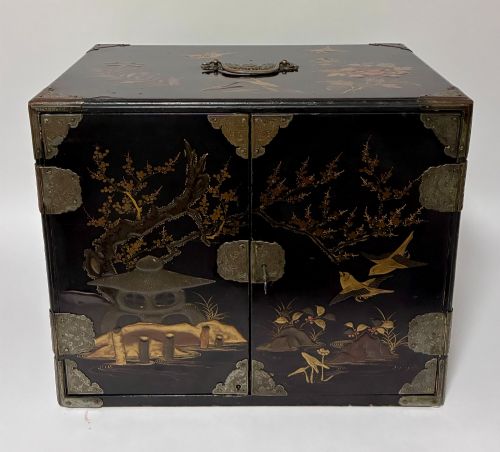
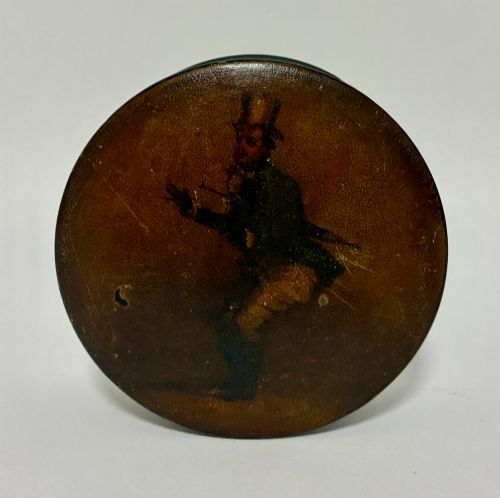
A black lacquer table box encompasses a varied group of containers designed for desktop or tabletop use, ranging from compact snuff boxes to multi-drawer table cabinets. When searching for a black lacquer table box, you encounter pieces spanning the Georgian, Regency, and Victorian eras, alongside Japanese Meiji period examples and Chinese Export creations.
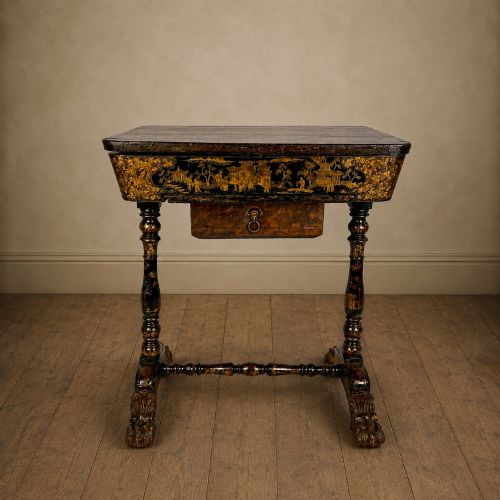
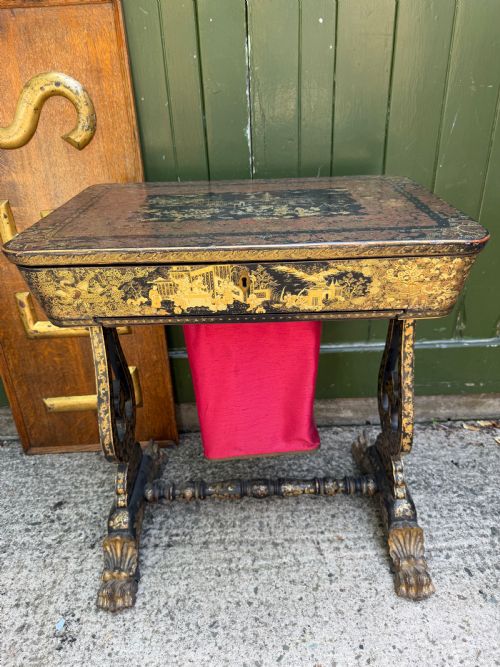
The selection frequently includes work tables and sewing tables featuring fitted interiors, as well as papier-mâché snuff boxes and larger oriental chests. These objects served practical domestic purposes for storing writing materials, sewing implements, or personal valuables while displaying decorative finishes.
Origin styles stretch from traditional English penwork and ebonised designs to Chinoiserie motifs and Japanese kodansu cabinets. The overarching common thread is a dark surface finish combined with painted, gilt, or penwork decoration suited to a principal room.
How they were made
Constructed from timber, papier-mâché, or pig skin, the foundational bodies of these boxes received layers of dark lacquer or paint to create a smooth substrate. Artisans applied gold leaf, gilt decoration, and fine penwork by hand to adorn the surfaces with oriental landscapes, floral patterns, or geometric borders.
Hardware such as brass hinges, locks, and handles were integrated to secure lids and drawers, particularly on larger table cabinets and work tables. The meticulous application of successive coating and polishing techniques yielded the durable, lustrous finishes characteristic of export and domestic workshop production.
One unusual survivor is an oriental pig skin chest shipping trunk, proving that not all fine containers started life on a polite tea table.
What varies in quality
The distinction between standard domestic items and superior examples rests upon the depth of the lacquer finish and the intricacy of the hand-applied gilding or penwork. Pieces featuring well-preserved pictorial scenes or complex architectural mini-interiors demonstrate a higher level of workshop skill than plain utilitarian containers.
Integration of specialised internal fittings, such as fitted sewing compartments with ivory or bone accessories, elevates the standing of a work table or box. The preservation of the original surface without heavy restoration dictates the desirability of antique examples across all periods.
The Black Lacquer Table Box Glossary
- Papier-mâché
- A composite material made from paper pulp or layers of paper reinforced with glue, moulded and dried before being lacquered and painted.
- Chinoiserie
- European decorative style inspired by Chinese artistic traditions, featuring imaginary oriental landscapes, figures, and motifs.
- Penwork
- A meticulous decorative technique using India ink applied with a fine pen to create intricate monochrome designs resembling engravings on wood or papier-mâché.
- Kodansu
- A traditional Japanese small portable cabinet featuring multiple internal drawers, often finely decorated with lacquer and metal mounts.
- Export Lacquer
- Ware specifically produced in Asian workshops, primarily China and Japan, to satisfy European taste and trade demands during the eighteenth and nineteenth centuries.
Black Lacquer Table Box: Frequently Asked Questions
What were table cabinets used for?
They stored precious items, documents, writing equipment, or medicinal ingredients in a secure, portable format.
Placed on desks or tables, they kept small valuables organised while serving as decorative room ornaments.
How can I tell Japanese from Chinese export boxes?
Japanese examples often feature distinct kodansu structures and Meiji period motifs such as naturalistic flora and fauna.
Chinese export pieces typically display Chinoiserie pavilion scenes, court figures, and heavier gilt detailing characteristic of Canton workshops.
Are papier-mâché boxes durable?
They possess surprising strength due to the compressed layered construction, holding their form well over centuries.
However, they remain sensitive to damp environments and heavy impacts which can crack the hard lacquer surface.