


Black Lacquer Cupboard
A black lacquer cupboard brings dramatic height and deep surface detail to a room, spanning styles from seventeenth century Japanese work to twentieth century Chinoiserie.
Black Lacquer Cupboard
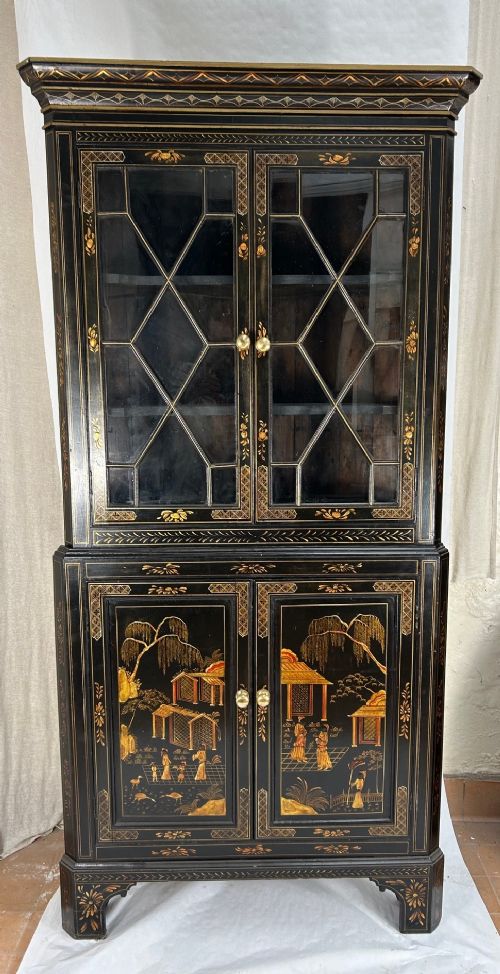
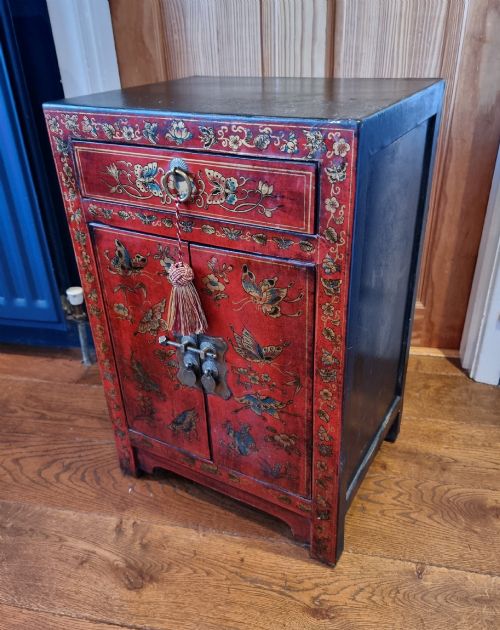
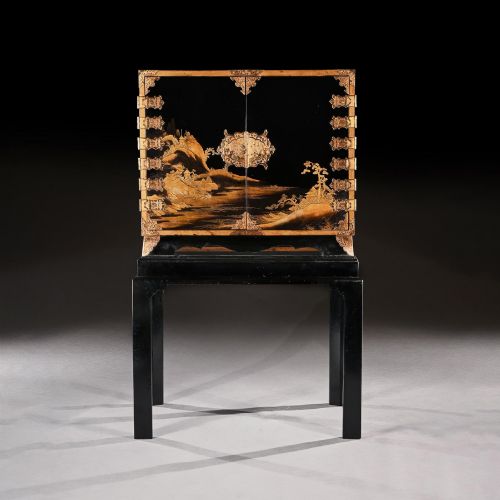
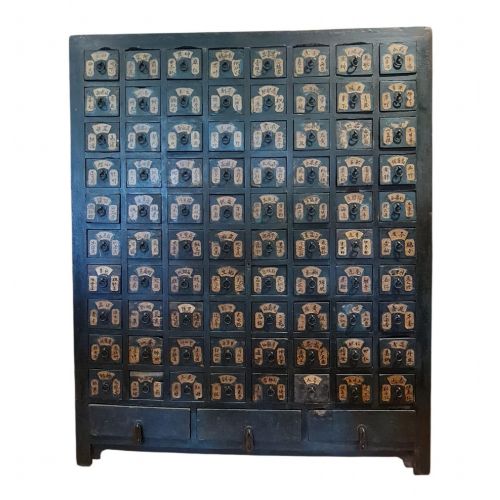
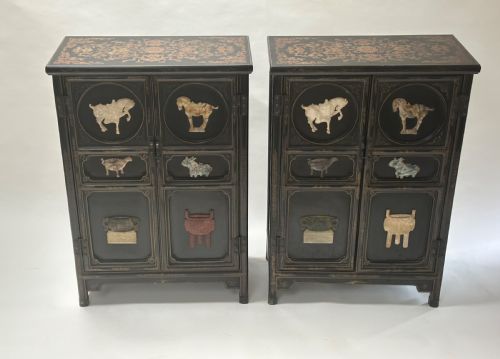
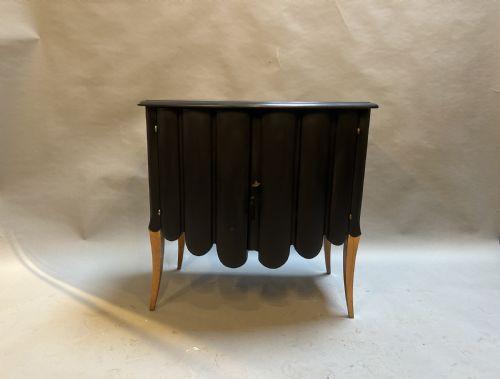
A black lacquer cupboard encompasses a wide range of storage furniture, appearing as corner cupboards, side cabinets, and imposing cabinets on stands. Buyers seeking this phrase encounter pieces dating from the seventeenth century through to the art deco period of the 1930s. The selection includes domestic pieces from English workshops alongside Chinese export goods and Japanese lacquer items.
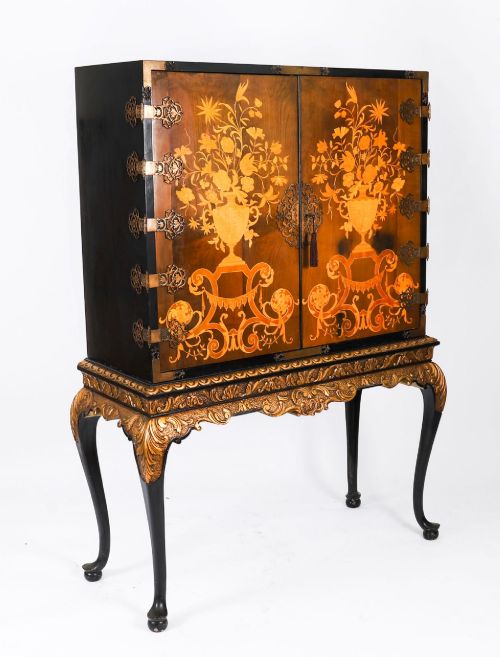
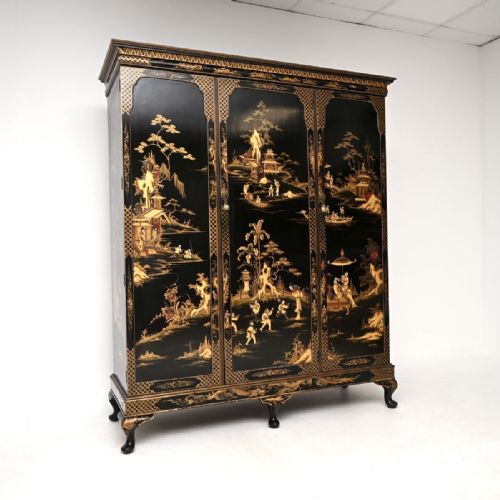
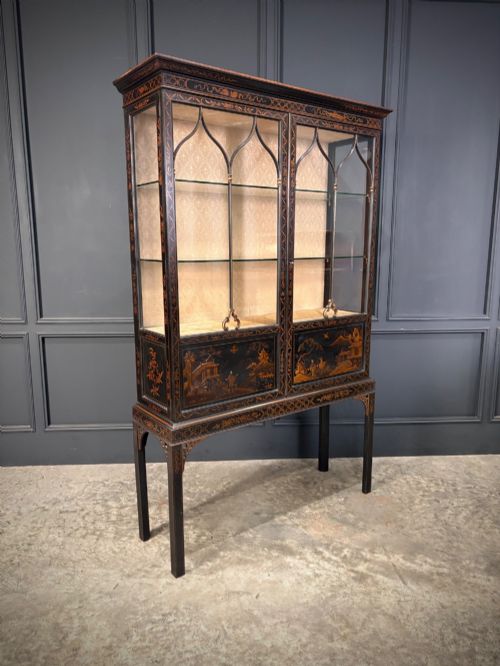
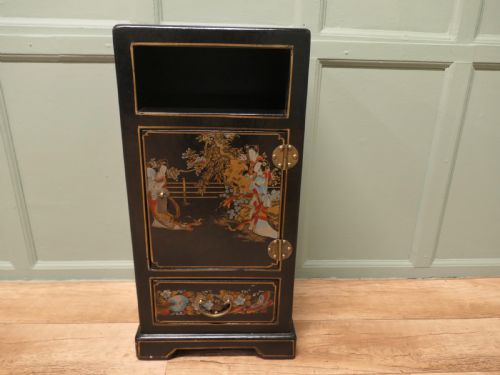
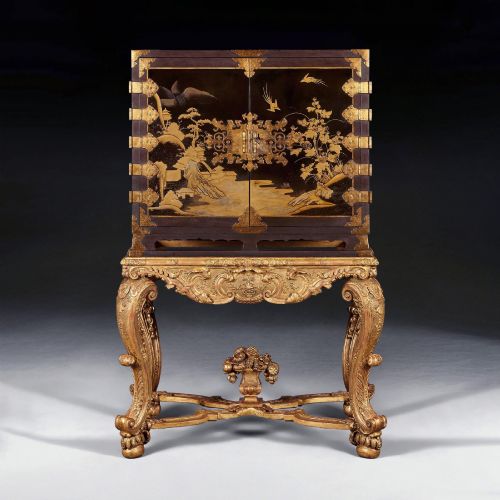
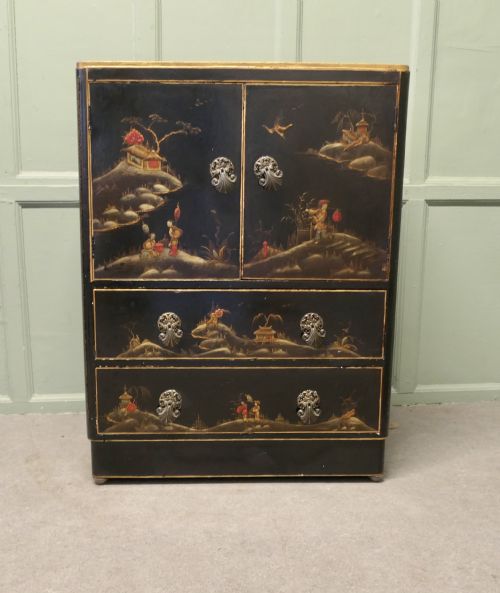
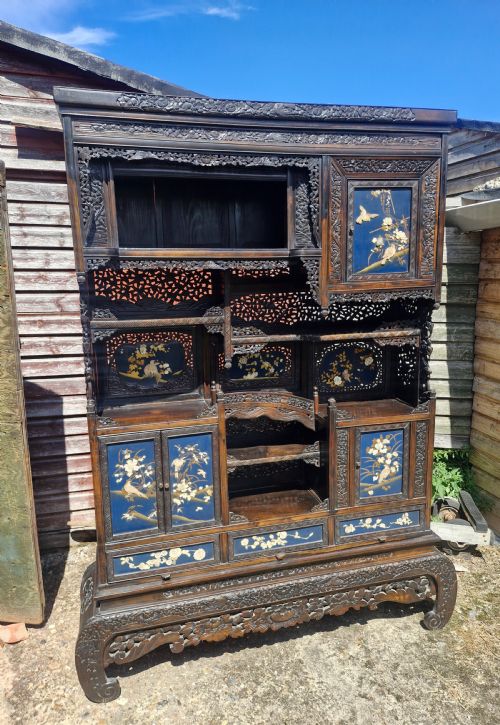
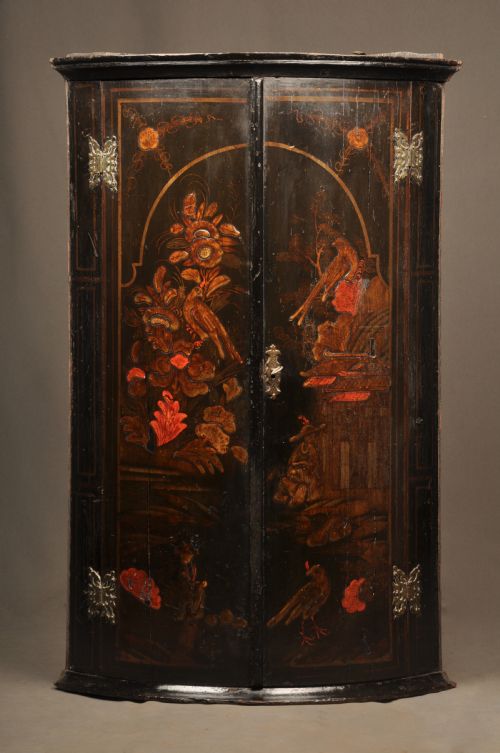
The most prevalent forms are Chinoiserie side cabinets and display units decorated with gilt figures, birds, and botanical motifs. Many examples utilise traditional corner cupboard designs or stand elevated upon carved bases, such as French giltwood Regence stands or fitted stands from the Qing dynasty. These items serve equally as standalone focal points and practical storage vessels within period or modern interiors.
Materials and construction methods
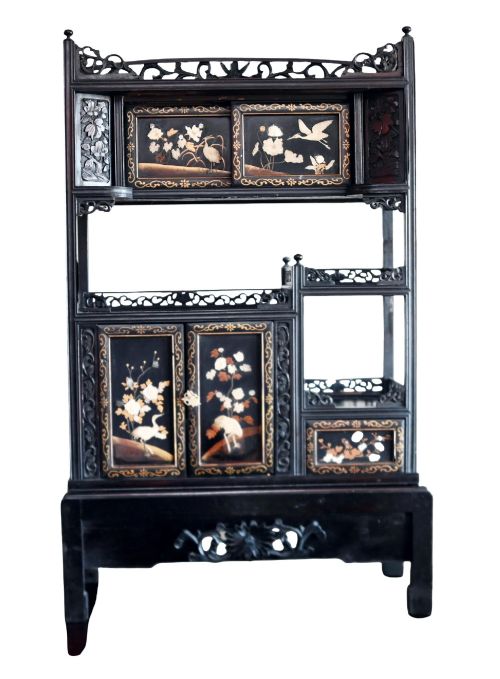
Makers built these pieces using timber frames coated in successive layers of lacquer, often finished with gold leaf, gilt, and painted ornamentation. Many older examples employ ebonised woods or Chinese elm carcasses as a stable foundation for the delicate lacquering process. Brass hardware, metal mounts, and occasionally glass panels or mother of pearl inlay complete the construction.
Surface decoration relies heavily on japanning and pen-work techniques, where skilled artisans rendered intricate scenes of landscapes, court figures, and flora. The application required patient drying and polishing between coats to achieve the characteristic deep sheen seen on eighteenth and nineteenth century specimens.
Black Lacquer Cupboard Retail Price Guide 2026
Typical asking prices for black lacquer cupboard among the pieces listed under this phrase on Sellingantiques today, from the lower quarter to the upper quarter. They describe what is for sale here now, not the wider market.
The listings span several centuries, featuring eighteenth century Georgian examples alongside Edwardian and 1930s Art Deco interpretations.
Assessing quality and craftsmanship
The distinction between standard pieces and exceptional ones rests upon the depth of the lacquer finish and the hand of the artisan. Superior examples display crisp, finely detailed gold leaf and hand-painted motifs that retain their dimensionality across the doors and panels. Poorer or more routine work often shows flat, uniform stencilling with minimal layering.
Structural integrity also dictates worth, particularly regarding the joinery of cabinets on stands and the original state of the timber. Pieces that retain their primary surfaces, original brass fittings, and unaltered stands command greater regard from collectors than heavily restored or later adapted items.
Hille for Harrods
The Black Lacquer Cupboard Glossary
- Chinoiserie
- European decorative style reflecting Chinese artistic traditions. Makers applied this aesthetic to cabinets and cupboards using whimsical landscapes and figures rendered in gold upon a dark ground.
- Japanning
- European imitation of East Asian lacquer work. Artisans built up layers of varnish and resin, then cured and decorated the surface to mimic imported Asian screens and furniture.
- Cabinet on stand
- Form consisting of a primary enclosed storage box sitting upon a separate supporting base. These stands range from simple shaped legs to ornate gilded frames.
- Pen-work
- Technique using ink applied with a fine pen to create intricate monochrome or tinted surface illustrations. This meticulous method appears on Regency period collector cabinets.
- Qing Dynasty
- The final imperial dynasty of China, spanning the seventeenth to early twentieth centuries. Pieces from this era often feature traditional export lacquer and elaborate hardware.
Black Lacquer Cupboard: Frequently Asked Questions
How do I care for a black lacquer cupboard?
Keep the piece away from direct sunlight and steady temperature fluctuations to prevent the lacquer from crazing or drying out over time. Dust gently with a soft, dry microfibre cloth without using liquid polishes or chemical cleaning agents.
Wax should be avoided unless specified by a professional restorer, as modern cleaning products can strip the historic finish. Regular gentle dusting preserves the integrity of the gilt and painted details.
Where should I place a corner cupboard?
A corner cupboard is designed to utilise awkward angles and dead space in dining rooms, hallways, or drawing rooms. They provide practical enclosed shelving while drawing the eye upward with their decorative top cornices.
Pairing a dark lacquered corner piece with lighter surrounding walls allows the gold leaf and painted motifs to stand out clearly. Ensure the door swing has adequate clearance from nearby furniture.
How do I distinguish eighteenth century japanning from later revivals?
Eighteenth century japanning typically exhibits a softer, more integrated depth within the lacquer layers due to natural ageing and traditional resin formulations. The craquelure and wear patterns on older pieces develop organically across decades of use.
Twentieth century Chinoiserie revivals, such as those from the 1920s and 1930s, often display brighter, more uniform metallic powders and crisper base woods. Examining the interior timber and construction fixings helps confirm the manufacturing era.
What is the function of a cabinet on stand?
A cabinet on stand provides elevated storage that lifts the main compartment closer to eye level for easier access. The separation between the storage box and the base allows for intricate leg designs that lighten the visual weight of heavy timber.
Historically, these pieces served as display or storage vessels for precious goods and textiles in formal rooms. Today they act as striking statement furniture that adds verticality to an interior scheme.