



Black Iron Fireplace Grate
A black iron fireplace grate anchors the hearth with heavy metalwork built to hold burning logs safely through the centuries.
Black Iron Fireplace Grate
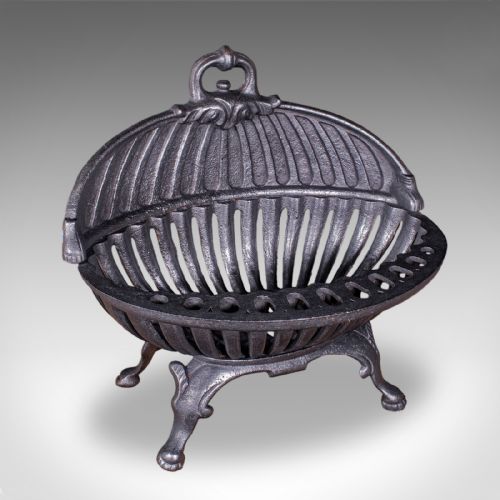
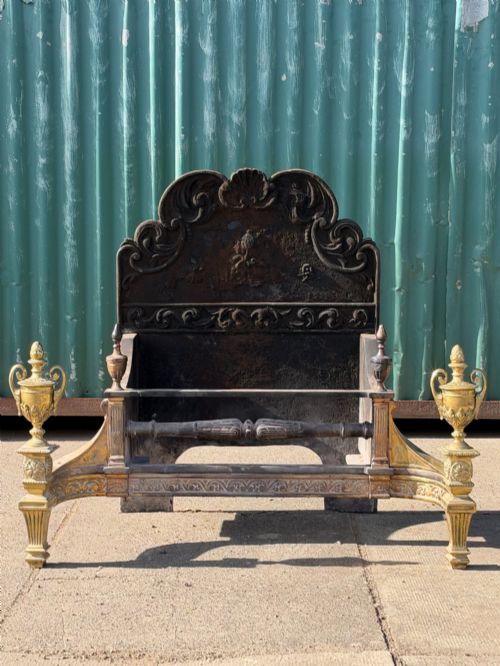
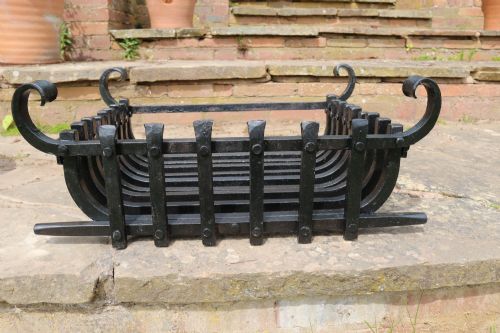
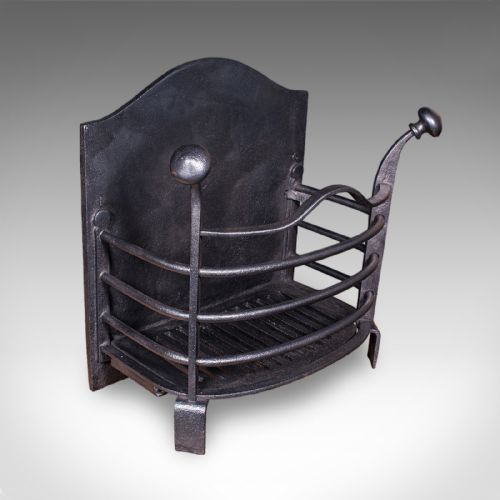
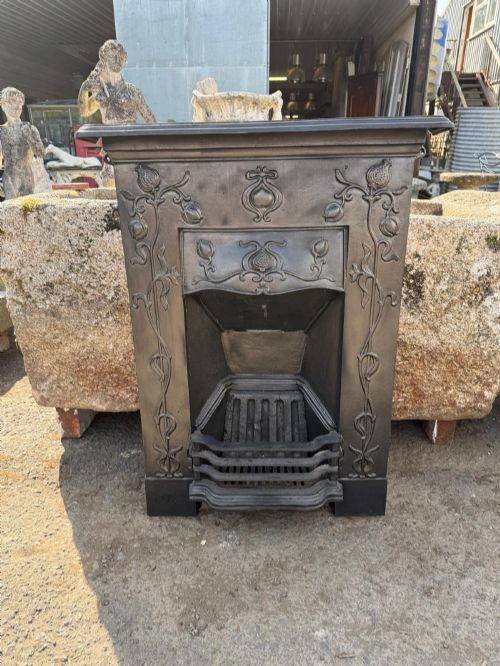
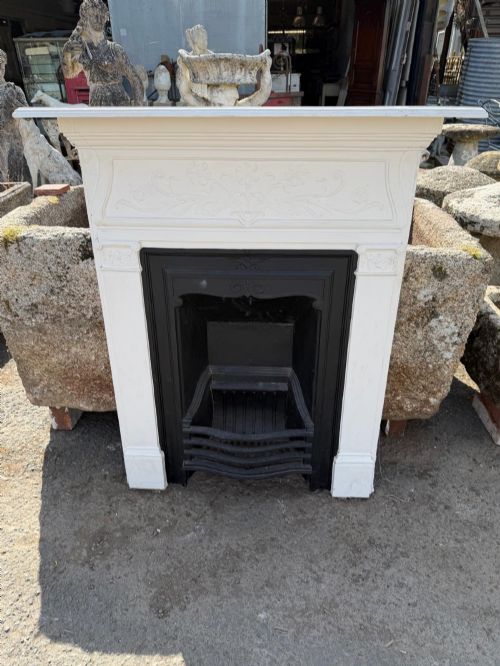
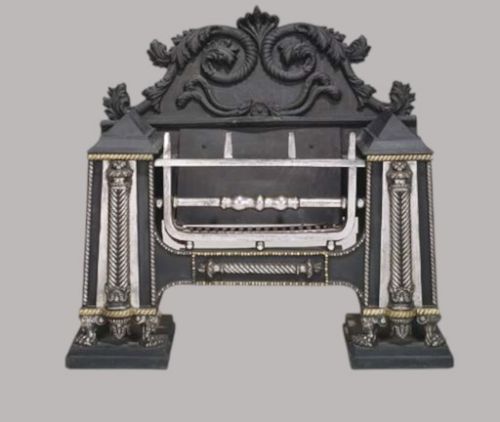
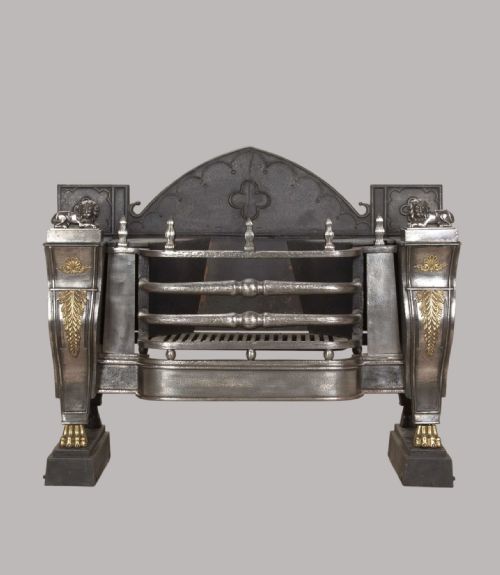
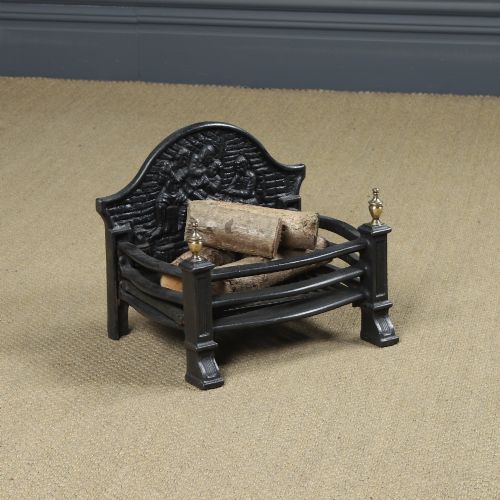
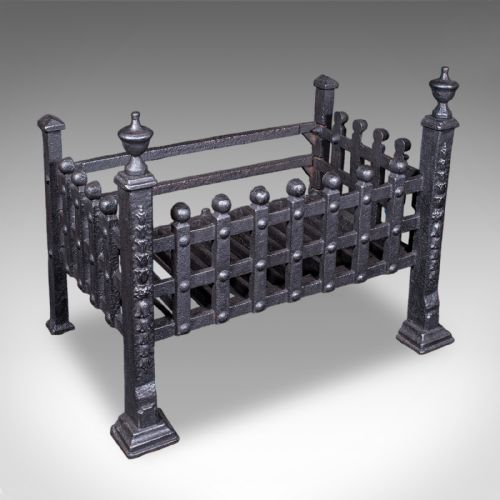
A black iron fireplace grate appears in several distinct forms across this collection, ranging from simple open log baskets to complex combination fireplaces and register grates. Buyers searching for a black iron fireplace grate will encounter period examples spanning the Georgian, Regency, Victorian, and Edwardian eras.
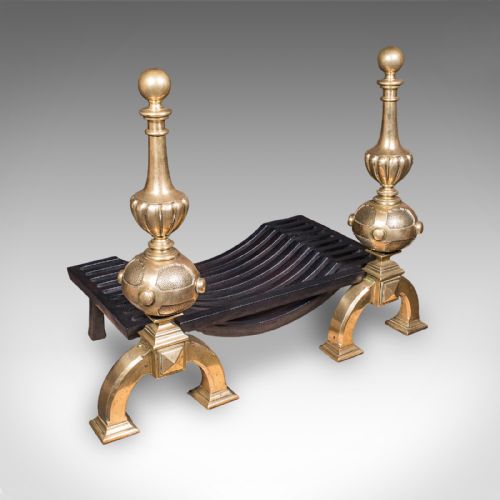
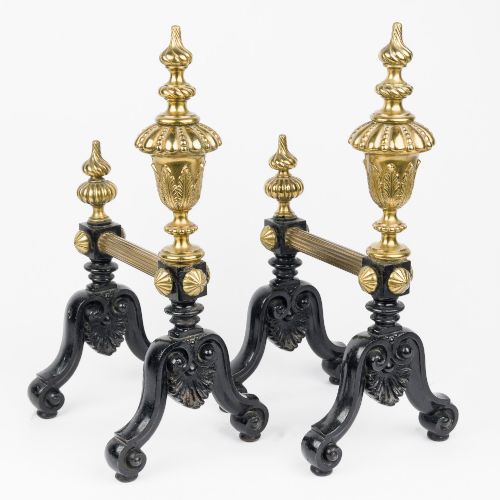
The inventory includes freestanding fire baskets paired with andirons, inglenook grates of heavy proportions, and architectural inserts designed for specific hearth openings. Styles vary from classical Regency lines and Adams designs to medieval-inspired Arts and Crafts pieces and Gothic Revival ironwork.
Quality factors in iron grates
The weight and thickness of the iron determine the substantial nature of the piece, with heavier inglenook grates and thick fire backs representing more robust construction. Superior examples display crisp casting detail and well-executed joinery between the cast and wrought elements.
Design sophistication separates standard utility grates from finer architectural pieces, particularly in items incorporating neoclassical ornamentation or specific period revival styles. The presence of integrated components like matching andirons or fire backs also indicates a more complete and considered hearth assembly.
Black Iron Fireplace Grate Retail Price Guide 2026
Typical asking prices for black iron fireplace grate among the pieces listed under this phrase on Sellingantiques today, from the lower quarter to the upper quarter. They describe what is for sale here now, not the wider market.
Certain Victorian fire sets come equipped with a mulling andiron, ready to heat spiced wine beside the hearth.
Coalbrookdale
The Black Iron Fireplace Grate Glossary
- Hob grate
- A small fireplace grate featuring flat iron shelves at either side for heating kettles or pans. These fixtures were popular in Georgian and Regency interiors.
- Register grate
- An inset fireplace fitted with a movable flap or damper to regulate the draught up the chimney. They offer efficient control over open fires.
- Andirons
- Supporting metal fire dogs placed on either side of the hearth to hold logs above the base of the fireplace. They frequently accompany larger fire baskets.
- Fire back
- A heavy iron plate placed at the back of a fireplace to protect the masonry wall and reflect heat back into the room. They often feature cast motifs.
- Inglenook
- A large recessed fireplace space designed to accommodate seating alongside the fire basket. Grates built for these areas are typically of very heavy proportions.
Black Iron Fireplace Grate: Frequently Asked Questions
How do I choose the right size grate?
Measure the width, depth, and height of your fireplace opening carefully before selecting a basket. Ensure adequate clearance around the ironwork for proper airflow and safety.
Consider whether you require a freestanding fire basket with andirons or a fixed register grate designed to slide directly into the hearth structure.
What is the difference between cast and wrought iron?
Cast iron is poured into moulds while molten, allowing for intricate decorative details and heavy, solid forms. It provides the rigid mass found in fire backs and frame elements.
Wrought iron is worked by hand while hot, resulting in a fibrous material that bends without shattering. This metal forms the sturdy bars and structural baskets of many period pieces.
Can these grates burn real wood?
Most of these pieces are historic ironwork originally designed to burn solid fuel like wood or coal. Their heavy construction is intended to withstand high hearth temperatures.
It is advisable to check the condition of the iron bars and any firebrick linings before lighting an open fire in an antique grate.
How do I care for antique ironwork?
Keep the metal clean from ash and moisture to prevent corrosion over time. Regular gentle brushing maintains the dark surface finish of the iron.
Avoid harsh chemical cleaners that can strip the historic patina. Specialist grate polishes or black lead can be applied sparingly if restoration of the colour is desired.