



Black Iron Fire Fender
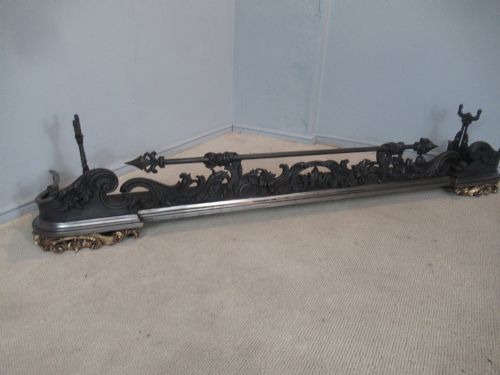
These black iron fire fender pieces anchor a hearth with solid weight, bringing genuine period character and safety to a traditional fireplace.
Black Iron Fire Fender
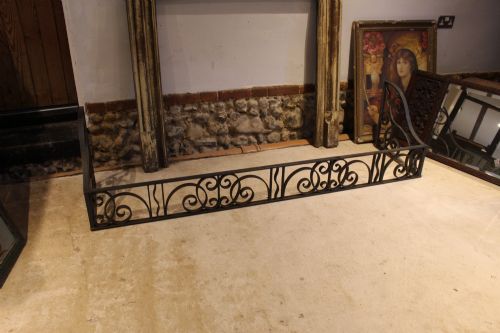
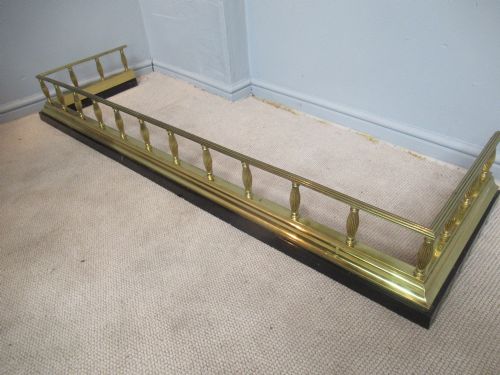
A black iron fire fender frames the hearth to contain stray embers and protect the room, appearing across periods from the Georgian era through to the Edwardian period. The versions met most often on this page combine sturdy cast iron or wrought iron with contrasting brass rails, wire mesh, or oak details.
Forms range from low floor-hugging hearth borders to tall nursery guards and club fenders fitted with leather seating surfaces. These pieces suit active fireplaces or serve as architectural decoration in period rooms, often drawing on Regency, Victorian Gothic, or French Empire design influences.
Materials and construction
Makers shaped the heavy metal bodies using casting and forging techniques, producing robust cast iron components alongside flexible wire mesh and rigid wrought iron frames. Brass top rails and detailed decorative mounts provide a bright metallic contrast to the dark iron structure.
Selected examples incorporate organic elements like oak bases or leather upholstery, particularly within club fender designs meant for seating around the hearth. Wirework guards utilise fine woven mesh panels secured within sturdy metal frameworks to keep sparks contained safely.
Black Iron Fire Fender Retail Price Guide 2026
Typical asking prices for black iron fire fender among the pieces listed under this phrase on Sellingantiques today, from the lower quarter to the upper quarter. They describe what is for sale here now, not the wider market.
Several nursery fenders include integrated clothes rails, proving that damp socks and small garments have warmed by the hearth for generations.
Assessing quality and craftsmanship
Superior examples display crisp casting definition in the ironwork and secure joinery where brass rails meet the main body. Heavier gauge metal and integrated components indicate careful workshop production rather than mass output.
The sophistication of the period style, from simple utilitarian nursery frames to ornate Victorian Gothic or Regency designs, dictates the level of detail. Original matching brass mounts and well-preserved wire mesh elevate the standing of an individual piece.
Coalbrookdale
The Black Iron Fire Fender Glossary
- Cast iron
- Iron poured into a mould while molten to create solid, highly detailed decorative forms. This material forms the heavy structural body of many hearth guards.
- Wrought iron
- Iron beaten and worked by hand while hot to produce strong, flexible structural elements. Blacksmiths utilised this technique for durable fireguards and fenders.
- Club fender
- A low, padded hearth barrier featuring leather seats on either side. These items allowed people to sit close to the fire for warmth in large rooms.
- Nursery fender
- A tall protective screen designed to prevent children and pets from reaching open flames. These tall guards often incorporate mesh panels and clothes rails.
- Wire mesh
- A woven metal grid material used in spark guards. This textile allows heat to pass through while trapping burning embers.
Black Iron Fire Fender: Frequently Asked Questions
What is a black iron fire fender used for?
These items sit around the fireplace hearth to stop burning embers from spilling onto wooden floors or carpets. They also act as a physical barrier to keep children and pets at a safe distance from the open flames.
Taller versions provide enclosed protection for nurseries, while club variants offer built-in seating directly beside the fire. Beyond safety, they define the hearth area and complete the period look of a chimney breast.
How do I clean and maintain cast iron?
Dust the metal regularly with a soft dry brush to prevent soot and ash buildup. Avoid using harsh chemical cleaners or water, which can cause surface rust on unprotected iron.
Applying a light coat of traditional grate polish or blacksmiths oil helps preserve the deep black finish. Ensure the metal is completely cool before applying any maintenance products.
How can I tell a Victorian fender from a Georgian one?
Georgian pieces often display restrained classical lines and simpler cast or wrought iron profiles. Victorian examples tend towards heavier decoration, incorporating Gothic revival motifs or elaborate brass and iron combinations.
Construction methods also help indicate the era, with earlier hand-forged work giving way to more industrial casting techniques as the nineteenth century progressed. Examining the joins and metal texture reveals how the piece was produced.
Will a club fender fit my fireplace?
Club fenders require specific floor space around the hearth because they incorporate seats on the sides. You need to measure the width and depth of your fireplace surround to ensure the inner dimensions match your hearth.
Allow sufficient clearance between the back of the fender and the fireplace opening for safety and heat circulation. These substantial pieces need adequate room in a reception space to function as both seating and guard.