





Black Ink Print
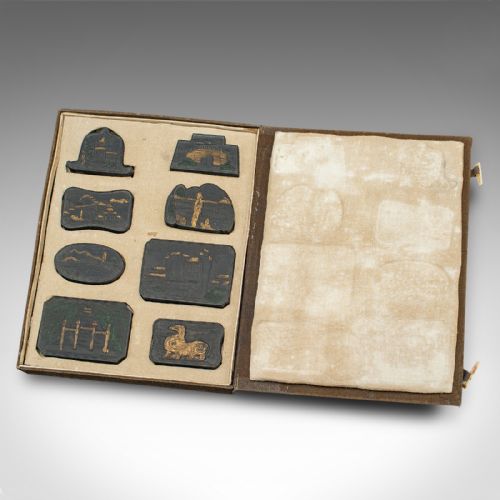
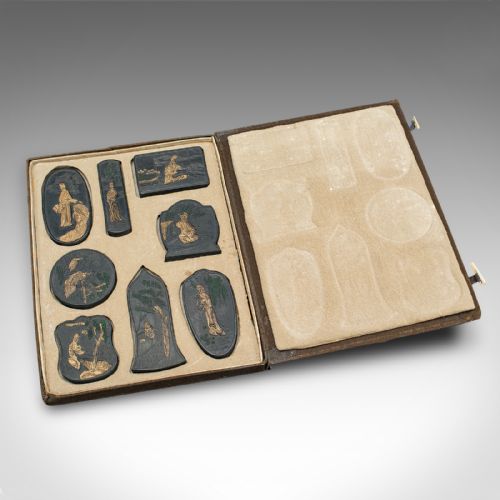
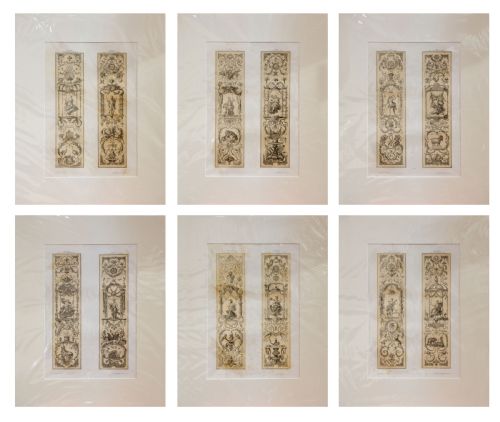
These black ink print works encompass centuries of graphic art, architectural drawings, and traditional calligraphic ink blocks.
Black Ink Print
When you search for black ink print, you encounter a diverse selection of works ranging from detailed architectural drawings to signed etchings and traditional calligraphic ink blocks. The pieces on this page span several centuries, including Victorian, Edwardian, and eighteenth-century examples alongside early twentieth-century works.
Subjects vary from animal studies and sporting scenes to historical Gothic art and grand tour architectural engravings. This mix reflects both domestic British artistry and international practices from past eras.
What varies in quality
The clarity of the printed line and the precision of the ink transfer distinguish finer examples from simpler works. Master etchers achieve subtle tonal gradations and deep contrasts that lesser printmakers fail to capture.
The condition and integrity of the paper support heavily influence the standing of a piece. Well-preserved sheets without excessive discolouration or damp damage retain their original visual strength.
Provenance and documentation add significant context to prints and drawings. Signed works by documented artists carry a distinct level of authority compared to unsigned or anonymous items.
Several items on this page spent decades tucked inside dusty school portfolios before reemerging into the daylight.
Anne Goldthwaite·Herbert Dicksee·Augustus Edwin John·James Dobie·Fred Lawson
The Black Ink Print Glossary
- Etching
- A printmaking method where acid bites lines into a metal plate to hold ink. Artists then press damp paper onto the plate to transfer the image.
- Engraving
- A technique involving direct cutting into a hard plate with a burin tool. This produces crisp, clean lines used frequently in architectural and historical plates.
- Drypoint
- A printmaking process where the artist scratches directly into the metal plate with a sharp needle. This creates a distinctive velvety burr along the printed lines.
- Calligraphic ink block
- A solid block of ink, often moulded in China, rubbed with water on an inkstone for writing or printing. These blocks frequently feature moulded decoration.
- Brass rubbing
- A reproduction technique capturing the raised design of a monumental brass by placing paper over it and rubbing with pigment. This method preserves intricate historical details.
Black Ink Print: Frequently Asked Questions
What is an original etching?
An original etching is a print pulled from a plate that the artist personally worked on and created. It differs from a later mechanical reproduction.
These prints display tactile plate marks where the edges pressed into the paper during the printing process.
How do I care for antique paper art?
Antique paper works require protection from direct sunlight to prevent fading and discolouration over time. Keeping them away from moisture prevents mould and foxing on the paper.
Framing with acid-free materials helps preserve the integrity of older drawings and prints.
What are Chinese ink blocks used for?
Chinese ink blocks served as the primary medium for traditional calligraphy and painting. Users ground the solid ink with water on a stone to achieve the desired consistency.
Victorian collectors often treasured these cased blocks as decorative objects rather than utility items.
How do I identify architectural engravings?
Architectural engravings typically depict classical buildings, ancient ruins, or grand tour subjects with precise linear detail. They often include scale notes or descriptive captions in the margins.
These plates frequently originate from educational portfolios or travel publications of the eighteenth and nineteenth centuries.