


Black Glass Mount
When you search for a black glass mount, you are looking at items combining dark or ebonised surfaces with glass and metalwork.
Black Glass Mount
The search phrase black glass mount relates to objects featuring ebonised wood, glass, and metal elements, appearing across Victorian cabinets, furniture, and decorative pieces.
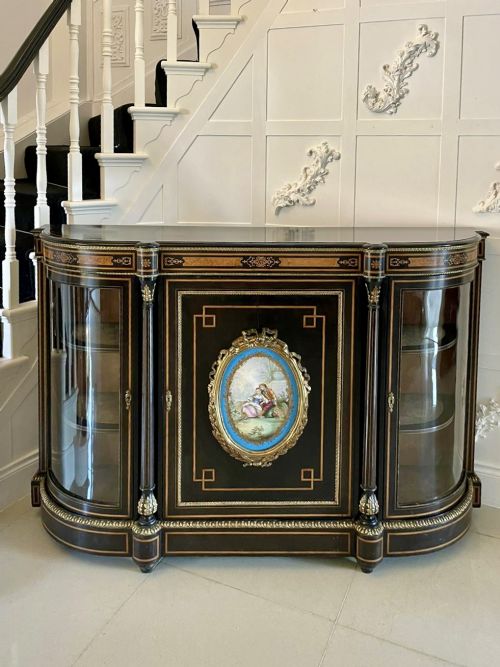
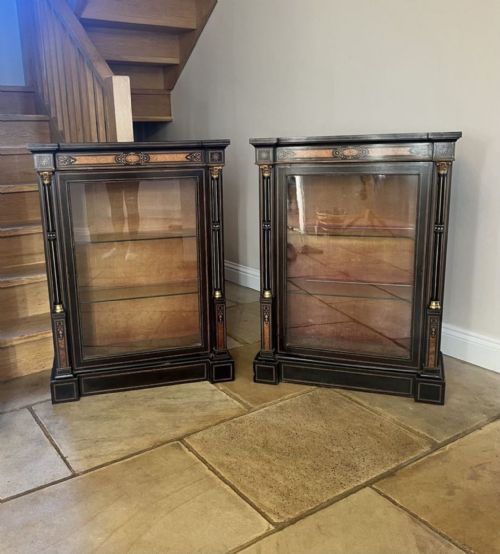
Most examples found in this category date from the nineteenth century, encompassing credenzas, pier cabinets, and display furniture with dark finishes and glazed doors.
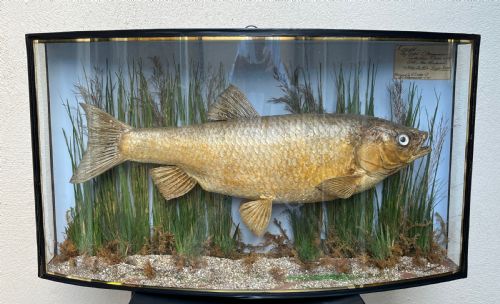
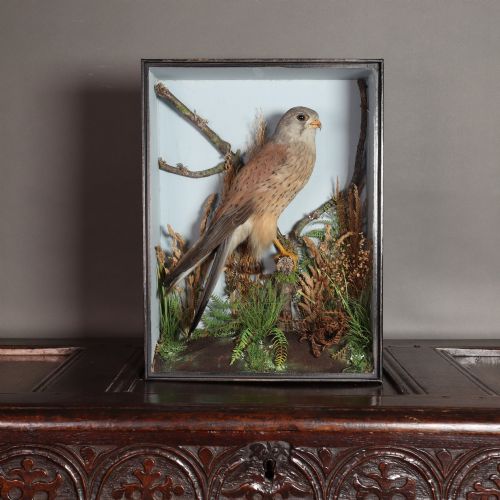
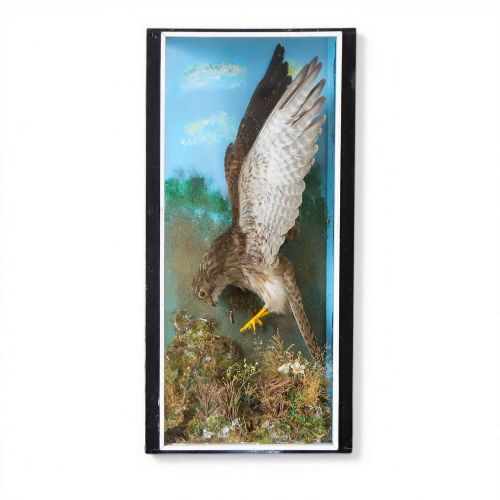
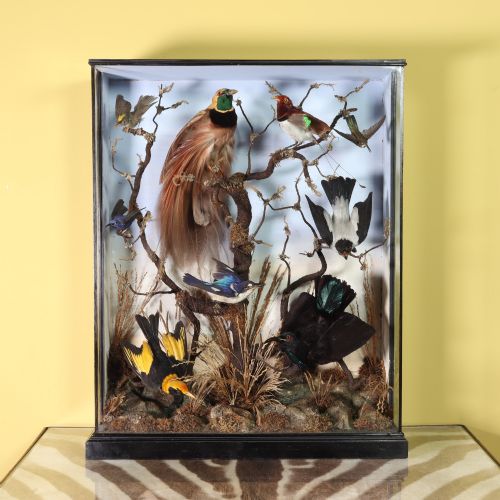
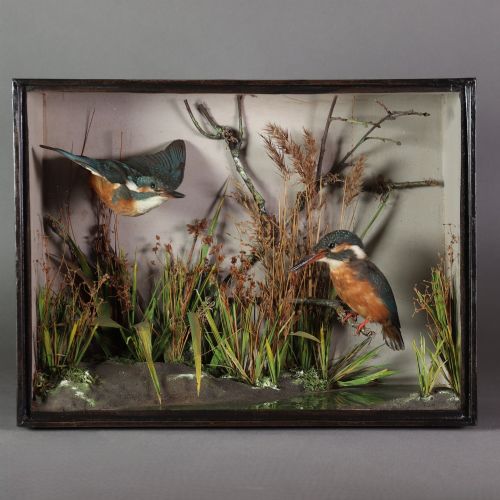
Makers and taxidermists such as T. E. Gunn and J Cooper & Sons also utilise glass cases alongside ebonised or dark frames for preserved specimens.
Materials and construction
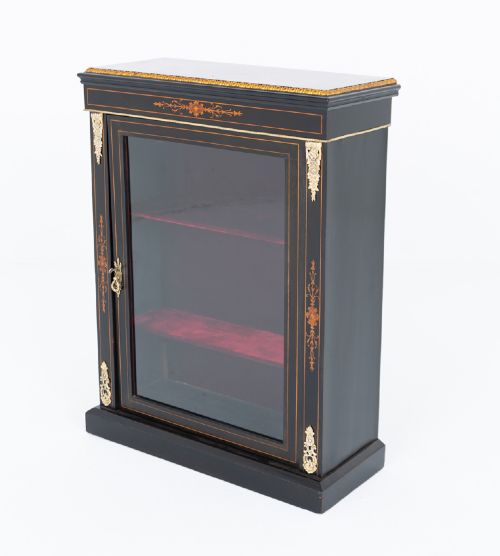
Pieces frequently combine ebonised wood or dark finishes with brass, ormolu, and gilt mounts to create strong visual contrasts.
Glass is utilised extensively for cabinet doors, table lamps, and protective display cases enclosing taxidermy and specimens.
Marquetry, inlay, and pietra dura details are incorporated into wooden carcasses alongside metal mounts.
An African Grey parrot watches over the nineteenth-century arrivals from its glass enclosure.
Assessing the pieces
The standard of craftsmanship shows in the precision of the brass or ormolu mounting and the intricacy of the ebonised woodwork.
Finer examples maintain crisp marquetry inlay and well-preserved glass panels, whereas simpler pieces rely on plain ebonised surfaces.
Little & Co·T. E. Gunn·J Cooper & Sons
The Black Glass Mount Glossary
- Ebonised
- Wood treated to resemble ebony, creating a dark, uniform surface finish. This technique is common on Victorian display cabinets and sideboards.
- Ormolu
- Gilt bronze mounts applied to furniture and decorative objects. These metal ornaments accent the dark wood and glass components.
- Pietra dura
- Inlay work using polished coloured stones to form decorative designs. It appears on elite nineteenth-century cabinet furniture.
- Pier cabinet
- A narrow cabinet designed to stand against a wall pier between windows. Many Victorian examples feature glazed doors and ebonised frames.
- Marquetry
- Decorative veneer patterns applied to furniture surfaces. Floral and geometric designs are built from contrasting woods.
Black Glass Mount: Frequently Asked Questions
What periods do these pieces come from?
The items span the Victorian era and the nineteenth century, alongside early twentieth-century examples.
Most pieces reflect nineteenth-century revival styles and manufacturing techniques.
How should I care for ebonised furniture?
Keep ebonised wooden surfaces away from direct sunlight and excessive moisture to protect the dark finish.
Dust regularly with a soft cloth and avoid harsh chemical polishes.
What materials are most common?
Ebonised wood, clear glass, brass, and ormolu form the primary materials across the category.
Additional elements include marquetry veneers and porcelain plaques.