
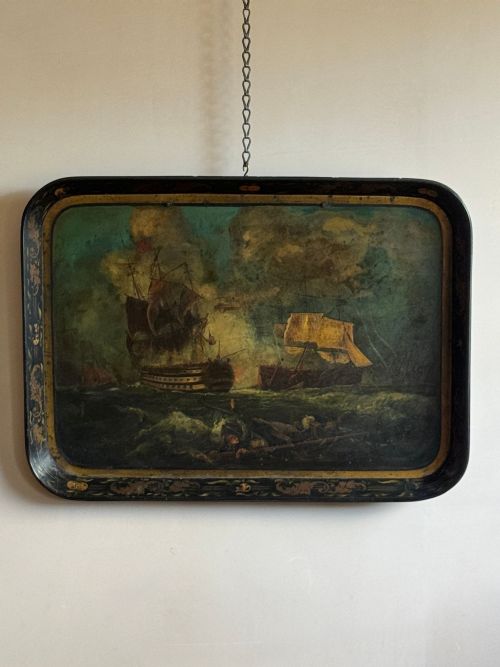
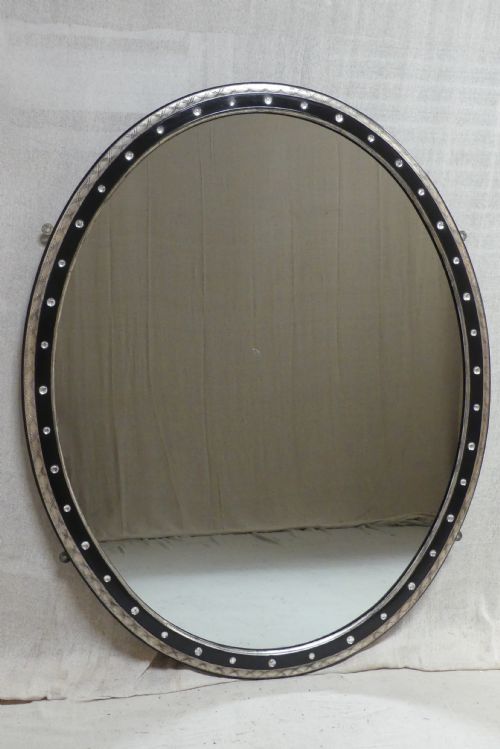


Black Gilt Wall Hanging
These black gilt wall hanging pieces bring dark surfaces and bright metal into a room, offering deep contrast and period weight.
Black Gilt Wall Hanging
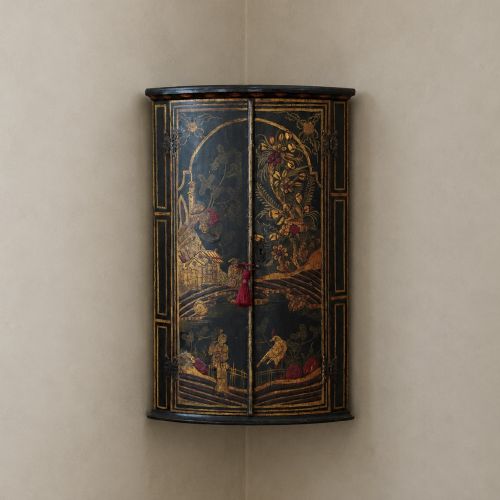
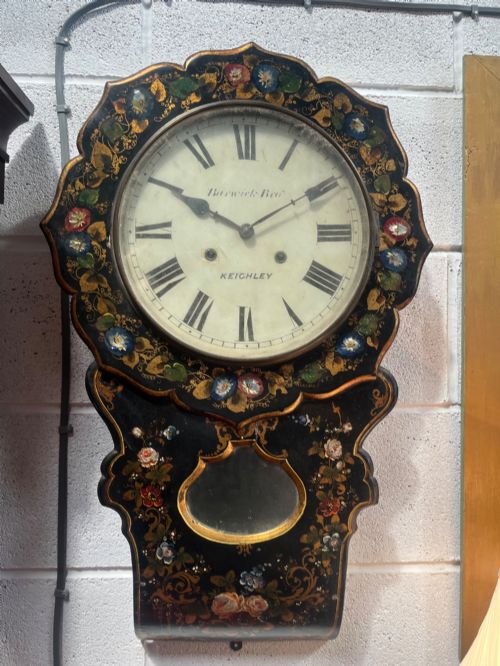
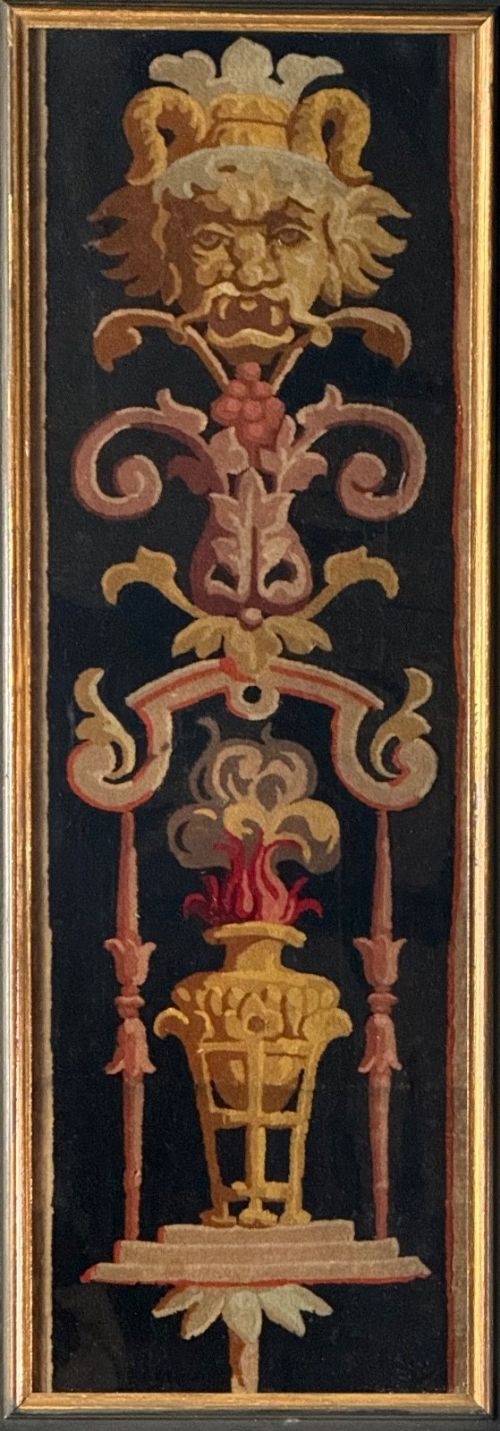
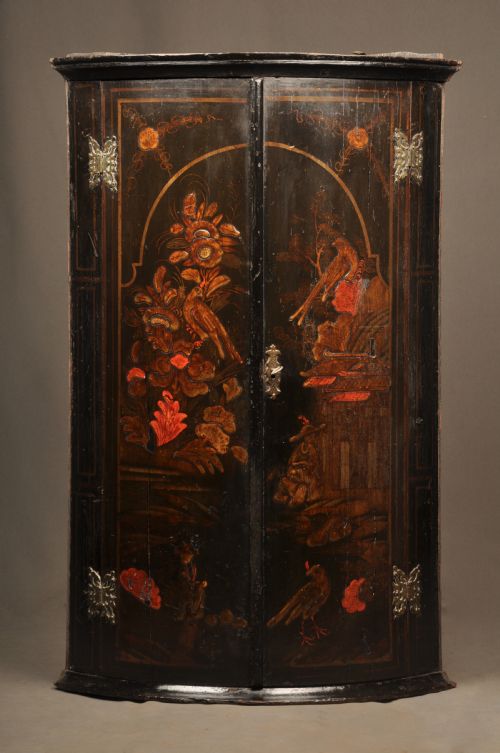
When you search for a black gilt wall hanging, you encounter a range of items spanning the seventeenth to the early twentieth century. The selection includes wall mirrors, corner cupboards, wall clocks, lacquer trays, and embroidered panels.
Mirrors and corner cupboards dominate the available forms, often finished in ebonised wood, lacquer, or japanning with gilt detailing. Pieces arrive from English, French, and wider continental traditions, showing periods from Baroque to Edwardian Chinoiserie.
The objects serve both decorative and functional roles in domestic interiors, operating as focal points on panelled or painted walls. Their dark grounds and gold highlights capture light and create depth within a space.
Materials and construction
Makers utilised wood, glass, brass, and papier-mâché as base materials, applying black finishes through ebonising, lacquer, or japanning. Gold leaf and parcel gilt provide the bright contrast that defines the decorative scheme.
Techniques range from carved wood frames with gilt relief to papier-mâché trays and fabric panels like embroidered silk. Surface ornamentation often incorporates painted decoration, figures, and classical motifs executed by hand.
Current listings feature materials including glass, wood, lacquer, gilt, brass, ebonised wood, papier-mache, and gold leaf.
Distinctions in quality
The standard of a black gilt wall hanging depends on the crispness of the gilt work and the depth of the dark ground. Hand-applied gold leaf on carved wooden frames or intricate lacquer surfaces indicates higher craftsmanship.
Proportion and decorative detail separate standard domestic items from finer examples. Pieces retaining original mirror glass, undisturbed japanning, or detailed painted scenes demonstrate superior preservation and execution.
The Black Gilt Wall Hanging Glossary
- Japanning
- A European imitation of East Asian lacquerwork involving layered varnishes and heat curing. It creates a hard, dark surface suitable for gold decoration.
- Parcel Gilt
- A finishing method where only specific portions of an object receive gold leaf or powder. This technique highlights carved details against a dark wooden or painted ground.
- Ebonised
- Wood treated to imitate ebony through staining, painting, or chemical processes. It provides a dense black finish common in Victorian and Regency frames.
Black Gilt Wall Hanging: Frequently Asked Questions
How do I clean a black gilt wall hanging?
Dust surfaces gently with a soft, dry cloth to prevent scratching the dark finish or delicate gold leaf.
Avoid commercial cleaning sprays and water, as moisture damages aged lacquer, ebonised wood, and historic gilt layers.
What periods do these pieces come from?
The pieces span from the seventeenth century through the Georgian and Victorian eras up to the Edwardian period.
Earlier examples often feature heavy carved frames or early japanning, while later items show Regency and Chinoiserie revivals.
Are these items suitable for modern walls?
These decorative objects work well in contemporary spaces by adding contrast, texture, and historic character to plain plaster.
Ensure appropriate wall anchors are used, particularly for heavier framed mirrors, corner cupboards, and wood panels.
How do I identify japanned work?
Japanned surfaces display a dark, glossy background built up through multiple layers of varnish, often with a slightly pitted or hand-finished texture.
Raised gilt figures and motifs are typically applied over this dark ground in imitation of imported Asian lacquer.