


Black Framed Sketches
When you search for black framed sketches, you find original works on paper secured behind protective glass in dark wooden surrounds.
Black Framed Sketches
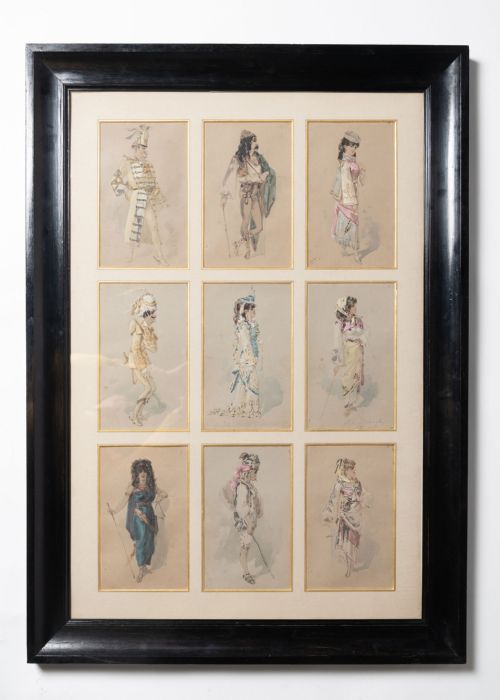
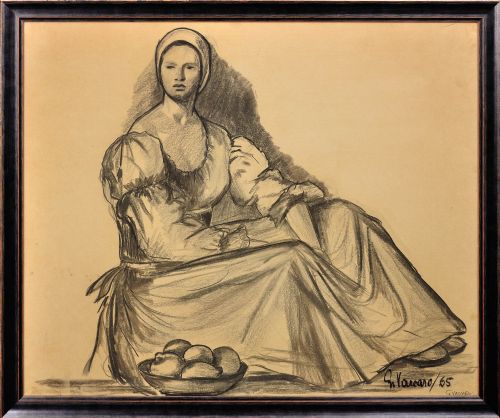
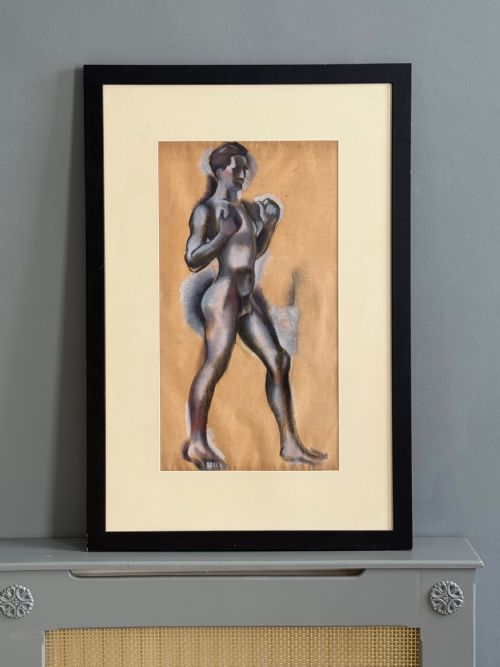
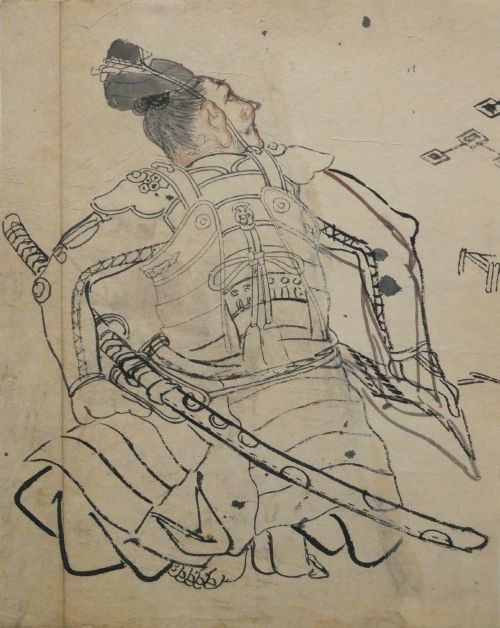
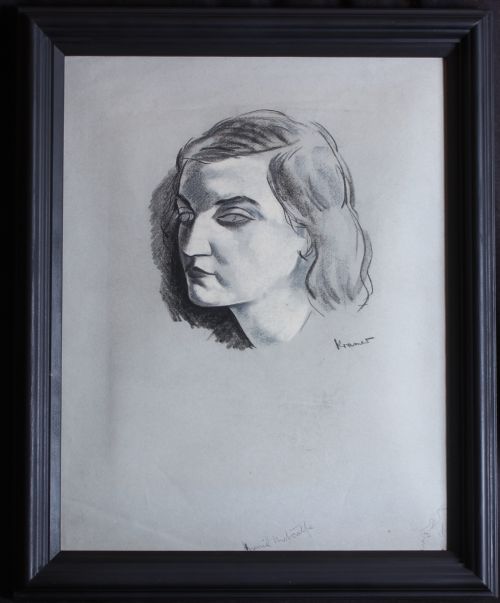
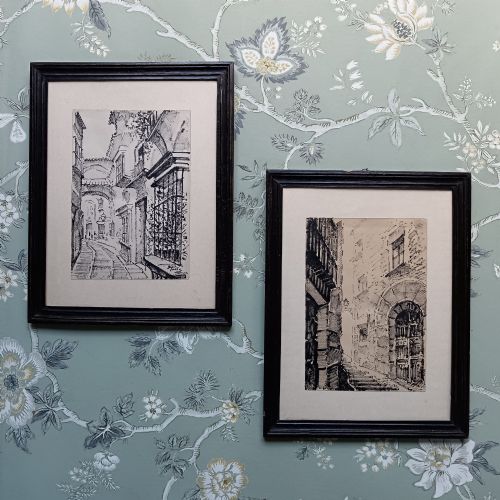
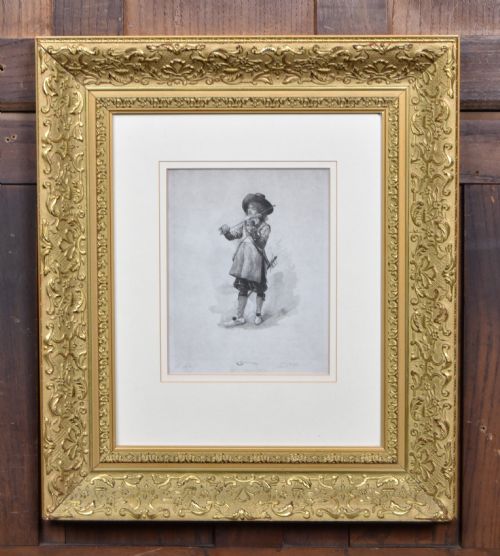
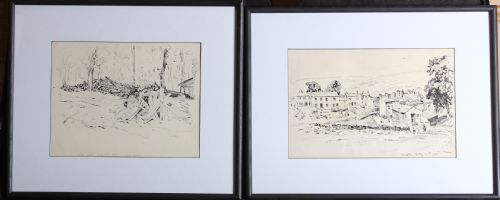
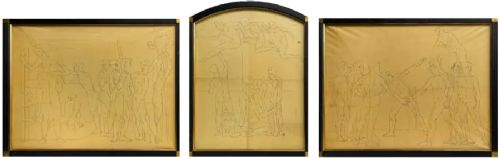
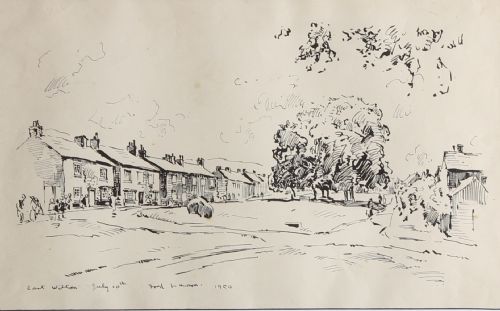
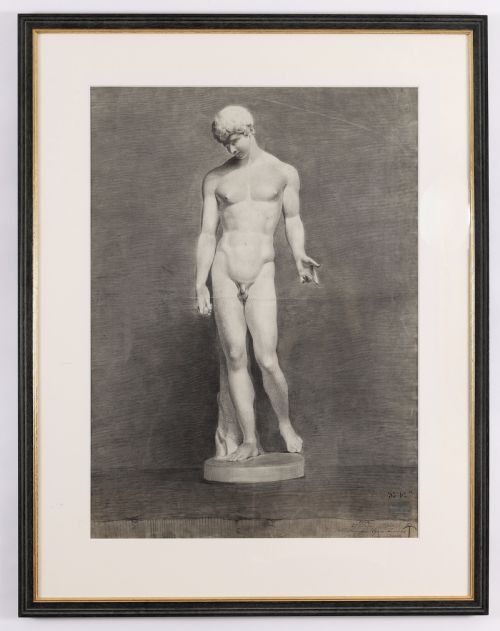
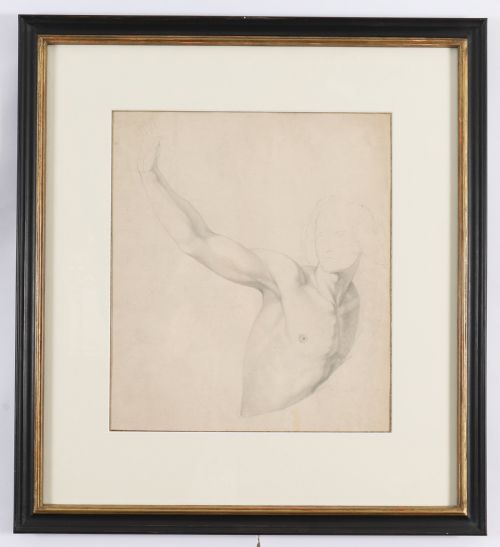
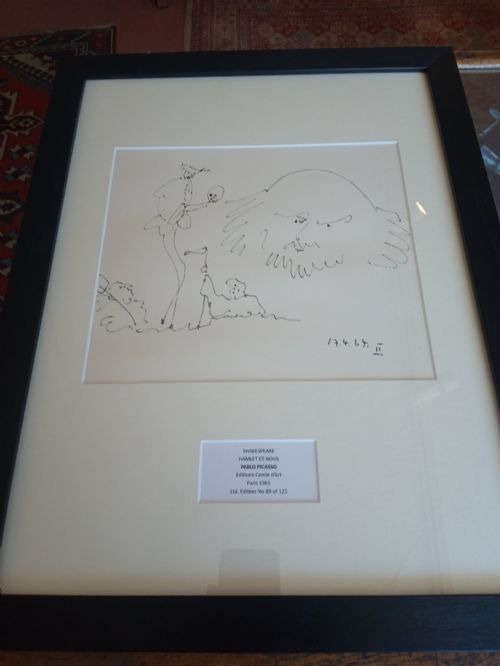
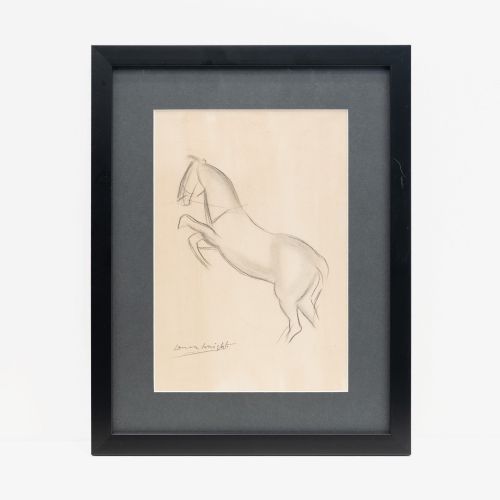
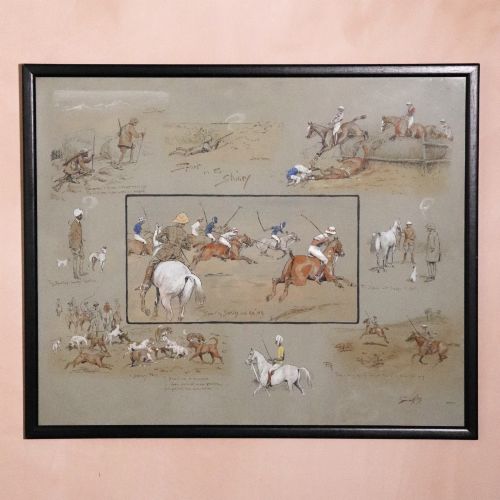
These black framed sketches comprise original works on paper created using media such as ink, charcoal, graphite, pencil, and watercolour. They span periods from the nineteenth century through the mid-twentieth century, capturing diverse subjects including architectural studies, landscapes, life drawings, and portraits.
The most common examples encountered on this page are mid-century modernist and twentieth-century British works alongside Victorian academic studies. Buyers seek these pieces to bring authentic historical draughtsmanship and linear precision into contemporary interiors.
How they were made
Makers utilised traditional dry and fluid media on paper support bases, applying charcoal, graphite, and ink with precise hand pressure. Watercolour washes and chalk additions often supplement the primary linework to build tonal depth and shadow.
Framing typically involves timber mouldings finished in dark pigments, paired with protective glass glazing to shield the fragile paper surfaces from atmospheric moisture and dust.
Black Framed Sketches Retail Price Guide 2026
Typical asking prices for black framed sketches among the pieces listed under this phrase on Sellingantiques today, from the lower quarter to the upper quarter. They describe what is for sale here now, not the wider market.
Listings feature paper supports housed in wood and glass, spanning nineteenth-century academic works to mid-century modern British drawings.
What varies in quality
The strength of the draughtsmanship dictates the upper tier of quality, distinguishing confident anatomical and architectural line work from hesitant or derivative student efforts. The clarity of the paper condition and the directness of the artist's hand in charcoal or ink determine the visual impact of the composition.
Framing execution also contributes to the overall standard, where period-appropriate timber surrounds complement the aesthetic integrity of the drawing rather than distracting from the paper surface.
Jacob Kramer·Fred Lawson·James Stroudley·Pablo Picasso·Dame Laura Knight·Henry Arthur Roberts·Sir Edwin Landseer·Hans Holbein·Demetrios Galanis·Michael Lyne·J D Fergusson·Raoul Millais·Winifred Eugene Ballard·James Ferguson·Lucien Freud·LS Lowry
The Black Framed Sketches Glossary
- Charcoal
- A dry drawing medium made from organic carbonaceous material that produces deep velvety blacks and easily blended tonal gradations.
- Graphite
- A crystalline form of carbon utilised in pencils to create fine metallic grey lines and precise linear details.
- Plumbago
- An early term for graphite drawing, often applied to finely detailed monochromatic portraiture on paper.
- Gouache
- An opaque water-based pigment used by artists to add highlights and solid colour passages over ink or charcoal foundations.
Black Framed Sketches: Frequently Asked Questions
What is a black framed sketch?
It is an original drawing on paper, such as an ink, charcoal, or pencil study, mounted beneath glass within a dark wooden frame.
These pieces capture direct artistic processes, ranging from rapid landscape impressions to rigorous academic life studies.
How do I hang these drawings?
Ensure you use secure wall fixings suited to the weight of the timber frame and glass. Hang them away from direct sunlight to prevent the underlying paper and ink from fading over time.
Grouping smaller architectural or landscape studies together creates a balanced gallery wall arrangement.
Are these works original art?
The selection includes original hand-drawn works on paper alongside period prints and lithographs. Each listing specifies the exact medium used by the artist.
Original drawings feature the unique pressure of the pencil, pen, or charcoal on the paper surface.
How do I date a sketch?
Dating relies on stylistic evidence, artist signatures, paper types, and framing characteristics recorded in the listing details. Academic life studies and architectural drafts often carry period inscriptions or dates from their creators.
Twentieth-century works show modernist or mid-century vernaculars distinct from nineteenth-century Victorian or Edwardian conventions.