



Black Framed Military Art
Black framed military art brings together centuries of portraits and battle scenes enclosed in dark moulding.
Black Framed Military Art
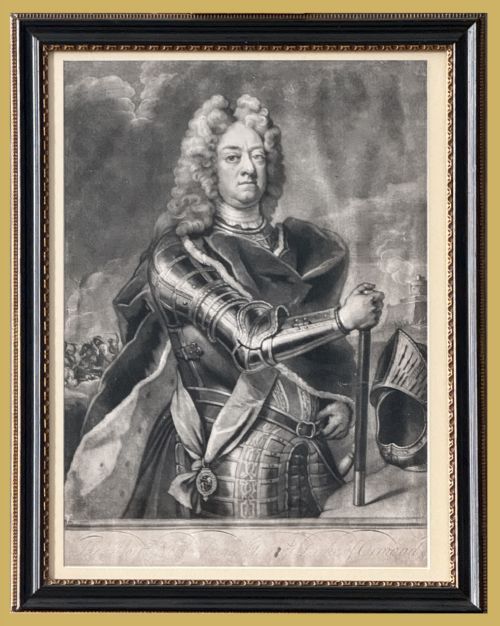
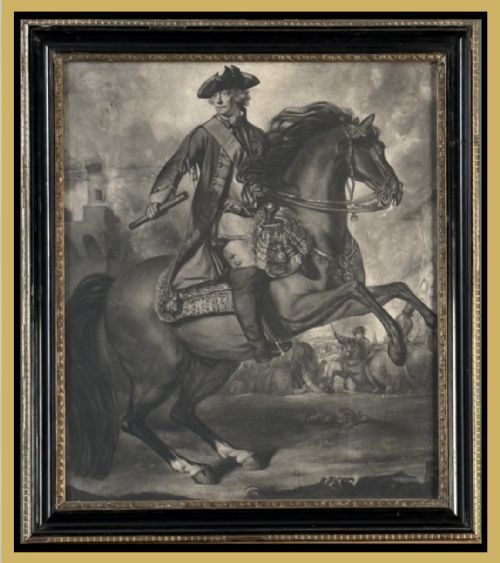
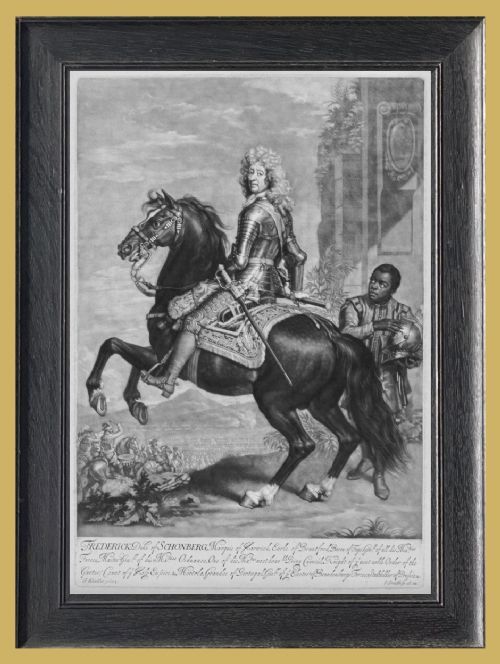
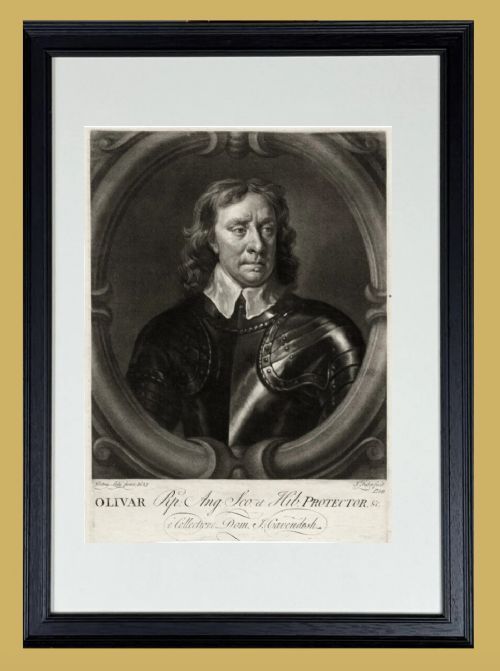
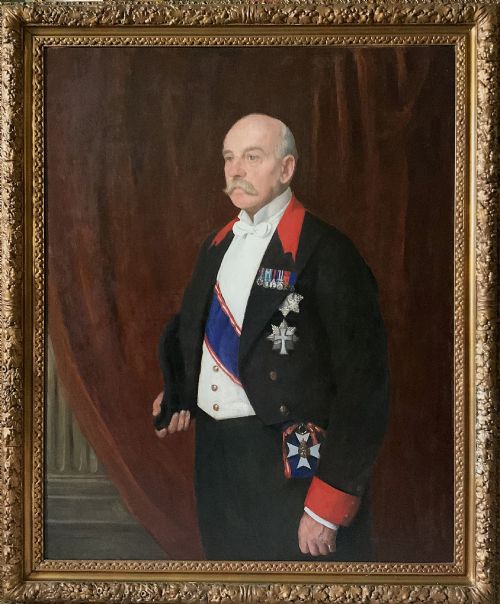
When you search for black framed military art, you encounter a selection spanning from the seventeenth century through to the mid-twentieth century. The pieces take the form of wall art, framed prints, oil paintings, watercolours, and reverse glass prints depicting commanders, regiments, and historical engagements.
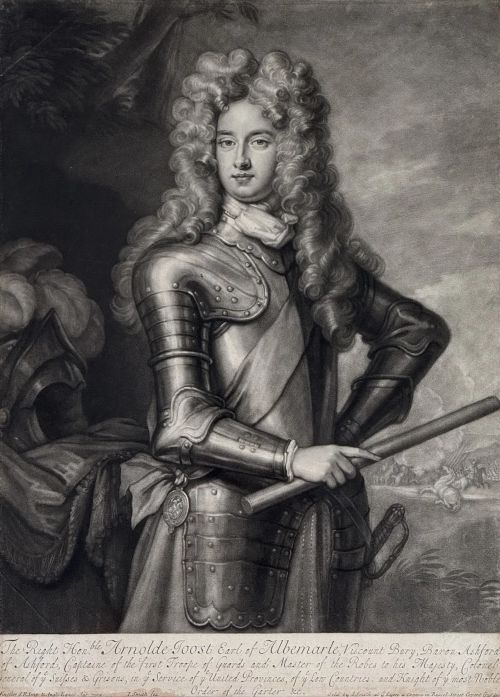
You are most likely to meet eighteenth-century mezzotint portraits of notable figures alongside early twentieth-century watercolours and sketches. These works capture military figures in uniform, armour, and active service across various periods including the Regency, Edwardian era, and Georgian times.
The assortment balances formal portraiture with action scenes, such as battle depictions and regimental watercolours. Each item relies on its dark framing to anchor the historic imagery against modern or traditional interiors.
How they were made
The physical objects rely on traditional printmaking techniques such as mezzotint, etching, and engraving on paper, alongside original watercolours and oil paintings on canvas or panel. Artists applied ink, oil, and watercolour pigments, often working after paintings by major portraitists of their day.
Presentation relies on wood framing, frequently finished in black paint, alongside glass protection for paper works and gilt highlights or giltwood elements within the wider design. Hand-painted panels and reverse glass prints demonstrate specialist execution methods specific to their respective periods.
Military commanders peer out across the centuries, maintaining stern expressions despite having their likenesses preserved in black frames.
What varies in quality
Quality separates through the fidelity of the printmaker's hand or the painter's brushwork in capturing likeness and movement. Early mezzotints and original watercolours by named artists stand apart from later reproductions by virtue of their direct connection to the original sitting or event.
Materials also dictate standard, with period frames of wood and glass housing genuine works on paper or canvas rather than modern facsimiles. The depth of the impression in printed works and the preservation of the medium determine the upper tier of the range.
John Simon·Edward Fisher·John Smith·Joseph Sympson·Sir Godfrey Kneller·Sir Peter Lely·Snaffles·Jean Baptiste Santerre
The Black Framed Military Art Glossary
- Mezzotint
- A printmaking process of the intaglio family where the plate is roughened to produce dark tones and scraped to create light areas. It allows for rich tonal gradations particularly suited to portraiture.
- Reverse glass print
- An image painted or transferred onto the underside of a glass pane to be viewed from the front. This technique protects the pigments from atmospheric tarnishing.
- Giltwood
- Wood carved and prepared with a thin layer of gold leaf or metallic powder. It frequently appears as a contrasting liner or detail on dark frames.
- Etching
- A print method where lines are bitten into a metal plate with acid before being inked and pressed onto paper. It produces fine, crisp lines characteristic of narrative book illustrations and independent plates.
- Gouache
- An opaque water-based paint medium that provides solid blocks of colour. It is often combined with watercolour in military sketches and watercolours.
Black Framed Military Art: Frequently Asked Questions
What periods do these pieces cover?
The selection spans from the seventeenth century through the eighteenth century, Regency period, and into the twentieth century including nineteen ten and nineteen fifty.
Earlier works lean towards mezzotint portraits of commanders, while later items encompass twentieth-century watercolours and sketches.
Are these original works or reproductions?
The inventory contains period mezzotint prints, original watercolours, oil paintings, and reverse glass prints dating from their respective eras.
Many prints are period impressions pulled from copper plates after works by prominent painters.
How should I hang these pieces?
The dark framing allows these works to sit comfortably against both period and contemporary wall colours.
Ensure they are hung away from direct sunlight to protect the paper, ink, and watercolour pigments from fading.
What subjects are depicted?
Subjects include military commanders, aristocrats in armour, regiment figures, and historical conflicts such as the Battle of Waterloo.
The focus remains on individuals of rank and scenes of military service.