



Black Framed Display Case
A black framed display case holds specimens, models, and objects securely behind glass while framing them against dark or painted surrounds.
Black Framed Display Case
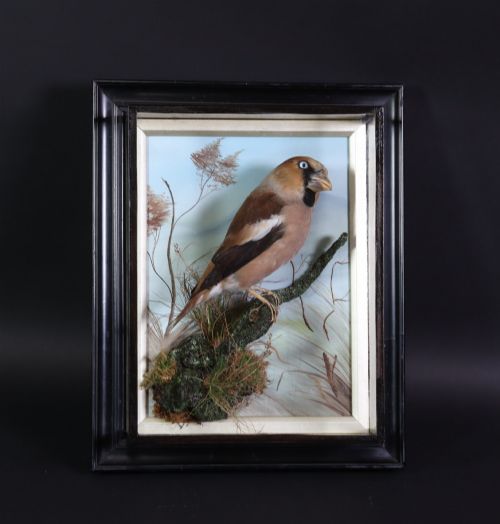
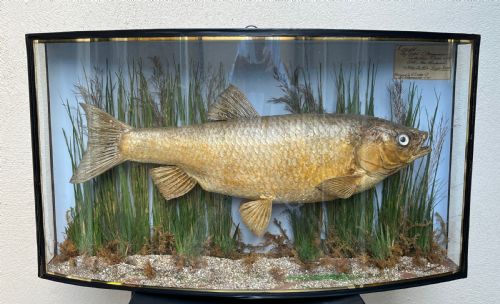
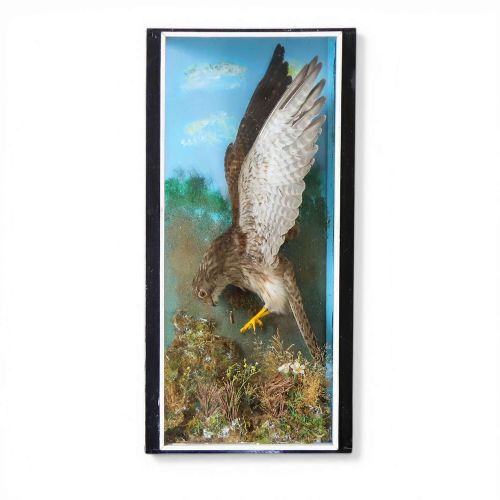
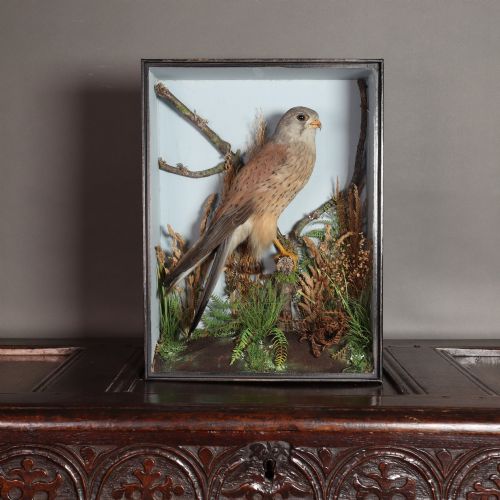
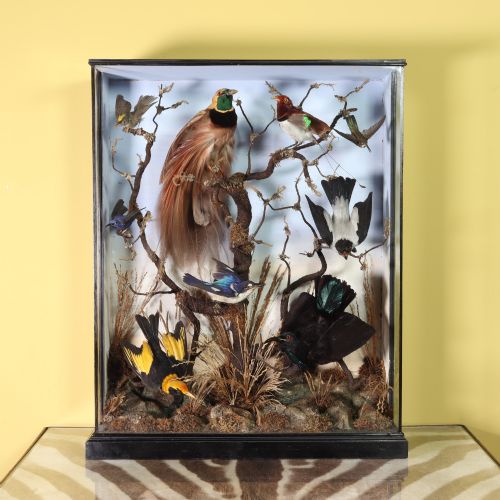
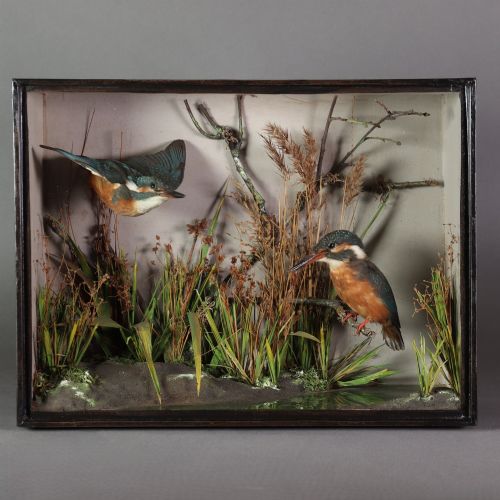
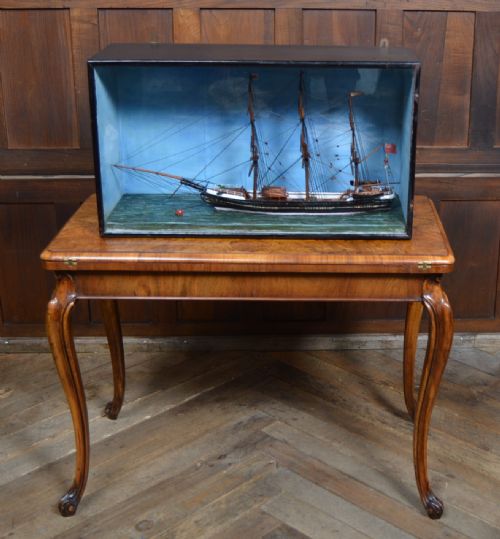
A black framed display case groups items such as taxidermy birds, model ships, and jewellery within protective glass enclosures. You will most frequently meet taxidermy specimens housed in glazed wooden boxes originating from the Victorian and Edwardian eras.
The objects span varied forms including wall-hanging dioramas, floor-standing steel cabinets, and tabletop boxes. Materials inside these enclosures often incorporate natural elements like dried reeds and gravel alongside the principal specimens.
Pieces from this selection bridge natural history and decorative arts, ranging from nineteenth-century ornithological studies to early twentieth-century maritime models and jewellery storage. Each enclosure serves to protect fragile contents from dust while presenting them clearly to the viewer.
How they were made
Construction relies heavily on timber frames painted or ebonised black, joined to house glass panels on one or multiple sides. Interior backs frequently utilise painted surfaces to create depth behind taxidermy specimens or jewellery.
Brass fittings appear as hinges, catches, and nameplates, securing the glazed doors and mounting internal elements. Specialised workshops applied paper tapes to seal joints and protect the enclosed dioramas from atmospheric moisture.
Black Framed Display Case Retail Price Guide 2026
Typical asking prices for black framed display case among the pieces listed under this phrase on Sellingantiques today, from the lower quarter to the upper quarter. They describe what is for sale here now, not the wider market.
The selection includes a remarkable pet dog preserved by Hutchings of Aberystwyth during the early twentieth century.
What varies in quality
Quality differentiates itself through the execution of the interior composition and the original preservation of the enclosed contents. Well-composed dioramas arrange specimens with botanical accuracy amidst painted backgrounds, whereas simpler boxes house isolated subjects.
The joinery of the outer frame and the clarity of the original window glass also distinguish finer examples from utilitarian containers. Makers who signed their work or utilised heavier materials like steel demonstrate superior craftsmanship.
Little & Co·T. E. Gunn·Hutchings of Aberystwyth
The Black Framed Display Case Glossary
- Taxidermy
- The art of preparing, stuffing, and mounting the skins of animals for display. This practice yielded the biological specimens found within many nineteenth-century glazed enclosures.
- Diorama
- A three-dimensional scene depicting animals or objects in a simulated natural setting. These arrangements often include painted backdrops and organic materials like dried reeds.
- Ebonisation
- A finishing process that stains timber to resemble ebony. This dark treatment provides the characteristic black framing seen on many period display cases.
- Diaphanous
- Transmitting light clearly without significant distortion. The term relates to the thin glass panes historically used in display case construction.
Black Framed Display Case: Frequently Asked Questions
What fits inside a black framed display case?
These enclosures typically house taxidermy specimens, model ships, or small items like jewellery.
Interior depths and shelf configurations dictate whether an enclosure suits flat objects or three-dimensional dioramas.
How do I clean the glass safely?
Glass panels require gentle wiping with a soft cloth and mild cleaner to avoid disturbing historic seals.
Harsh chemicals must be kept away from painted timber frames and original paper tapes.
Where should I place these cases?
Display cases need stable positioning away from direct sunlight and damp environments to protect fragile internal contents.
Wall-hanging boxes require secure fixings, while freestanding cabinets need level flooring.
How do I identify the period of a case?
Dating relies on construction methods, fastener types, and stylistic indicators such as Edwardian proportions or Art Deco steelwork.
Maker labels or inscriptions on the backing paper also provide reliable chronological markers.