


Black Frame Wall Art
Black frame wall art spans centuries of portraiture, prints and panels held within dark borders.
Black Frame Wall Art
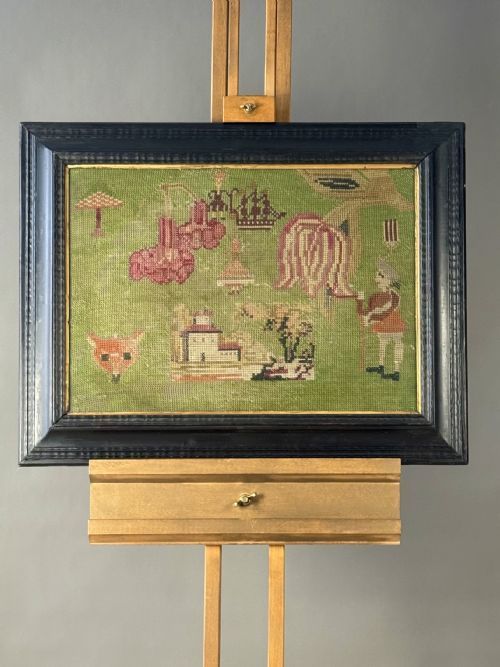
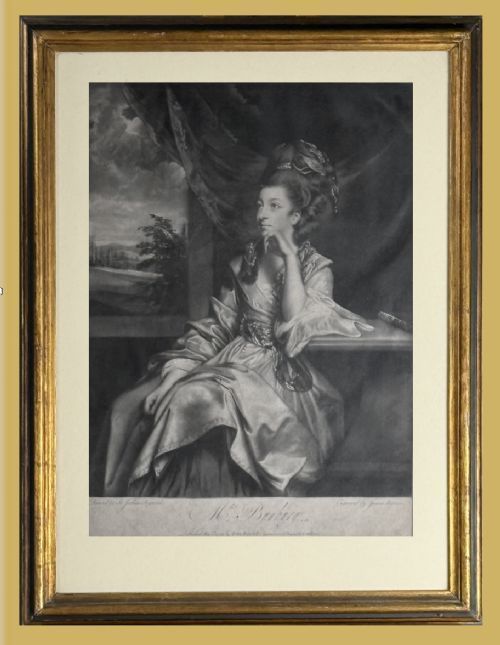
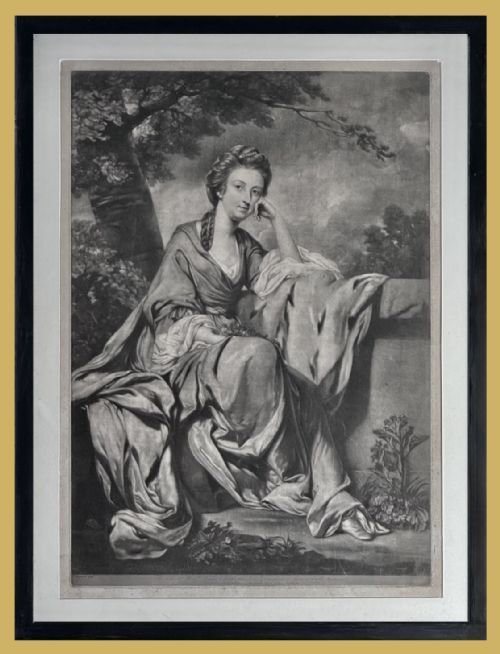
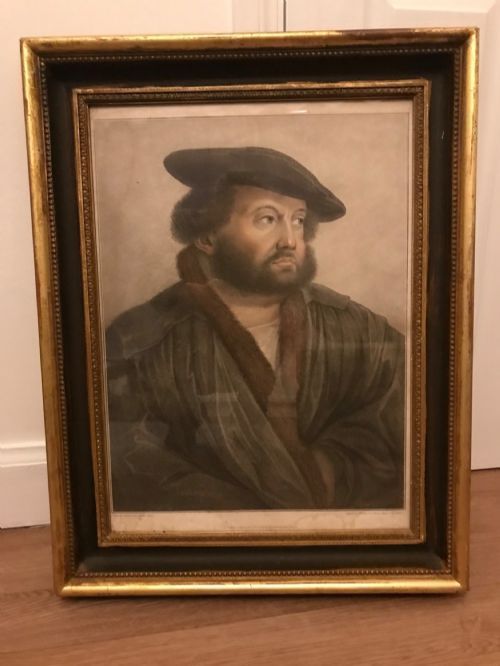
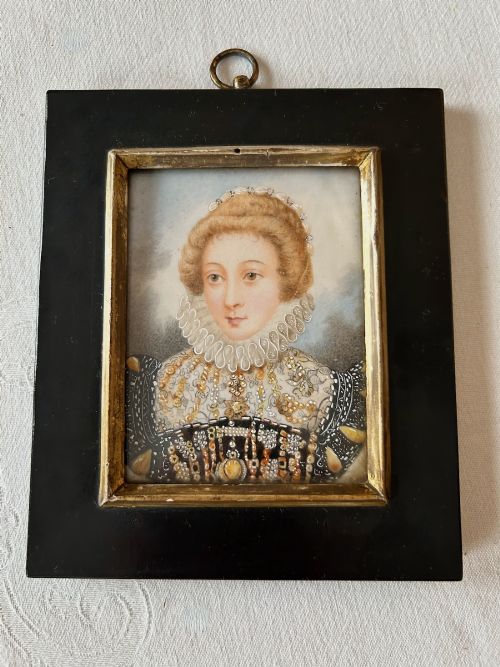
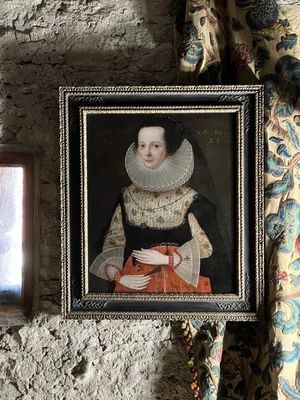
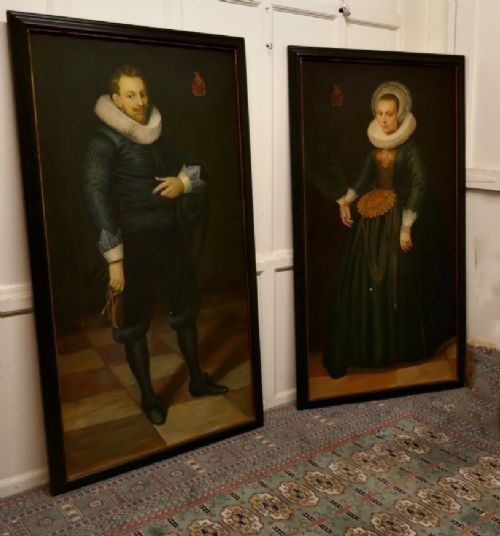
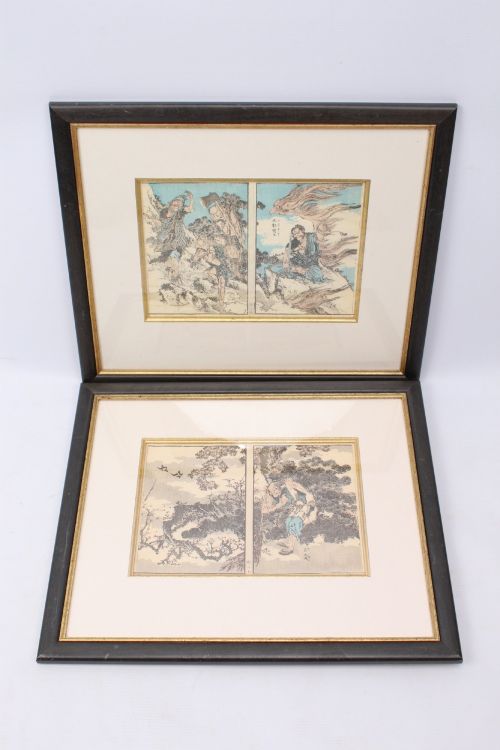
Black frame wall art encompasses centuries of framed prints, oil paintings, etchings and pith paintings spanning the seventeenth through to the twentieth centuries. The primary focus centres on historical portraiture, botanical and anatomical plates, and decorative panels enclosed within dark or ebonised surrounds.
Buyers encounter works originating from British, Dutch, French, Italian, Chinese and Japanese workshops, reflecting stylistic movements from the Baroque and Georgian periods through to the Victorian era and mid-century revivals. Subjects range from aristocratic nobility and literary figures to theatrical posters and traditional Shan Shui landscapes.
The category gathers disparate pictorial mediums under the unifying presentation of a dark perimeter, whether straightforward painted wood or period gold leaf accents upon deep timber. Each piece provides a window into historical printmaking, painting techniques and framing conventions of its respective era.
Materials and construction
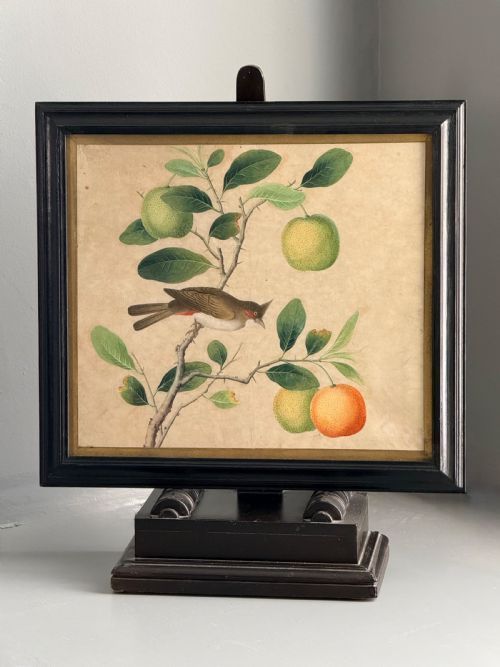
The physical objects rely upon traditional substrates including wood, canvas, paper, silk and pith, paired with inks, watercolours, gouache and oil paints. Ebonised wood frequently provides the dark structural border, sometimes complemented by subtle applications of gold leaf to accentuate internal sight edges.
Printmakers utilised copper plates for mezzotints and stipple engravings, pressing inked designs onto laid paper alongside woodblock printing methods seen in Japanese works. Paintings on canvas, panel or woven silk display layered pigments, oil glazes and meticulous brushwork executed by historical schools.
An eighteenth-century anatomical skeleton engraving reminds us that interior decoration has long embraced the delightfully macabre.
Evaluating quality and execution
Quality rests in the fidelity of the image, the crispness of plate impressions in mezzotints and engravings, and the surety of hand in painted portraits and silk panels. Master printmakers and skilled portraitists achieved tonal depth, fine cross-hatching and subtle gradations of light that lesser hands missed.
The integrity of the framing materials also distinguishes examples, noting whether the dark wood is period ebonised timber displaying appropriate age or a later replacement. Preserved paper surfaces free from excessive foxing, alongside original glass and backing boards, elevate the standing of historical wall pieces.
John Simon·John Boydell·James Watson·Edward Fisher·Francesco Bartolozzi·Henri Fradelle·John Smith·Valentine Green·Thomas Watson
The Black Frame Wall Art Glossary
- Mezzotint
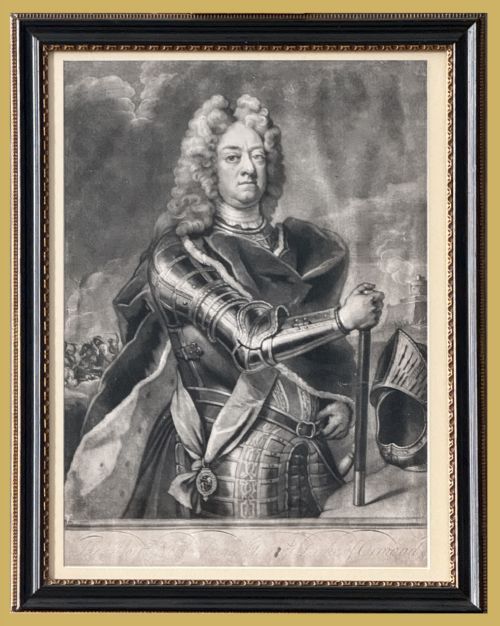
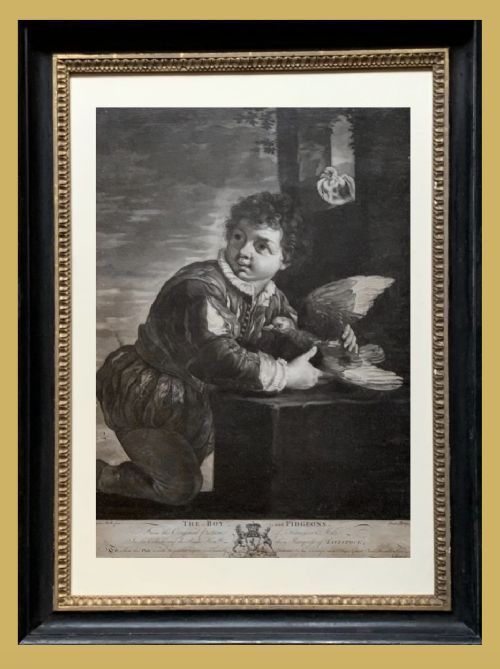
- A printmaking process of the intaglio family where the plate is roughened uniformly to produce rich dark tones and subtle gradations of light. This technique became particularly favoured for reproducing oil portraits during the eighteenth century.
- Ebonised wood
- Timber treated with chemical stains, dyes or black finishes to imitate costly ebony wood. This treatment was common in antique frames to provide a stark, contrasting border that directed the viewer's eye into the artwork.
- Stipple engraving
- A method of producing prints by means of dots of various sizes and densities rather than continuous lines. Artists utilised this technique to achieve soft flesh tones and painterly textures.
- Pith painting
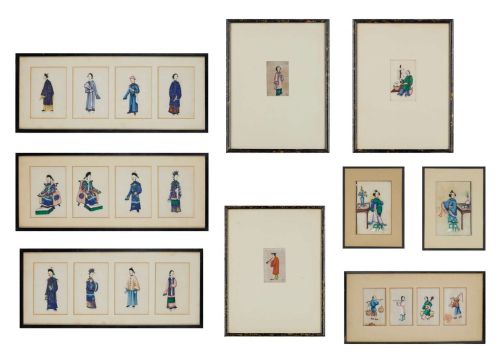
- Artwork executed on thin, delicate sheets sliced from the pith of the Tetrapanax papyrifer plant. These delicate Chinese export pieces frequently feature vibrant gouache pigments depicting figural scenes.
- Shan Shui
- Traditional Chinese landscape painting style featuring natural scenes such as mountains, rivers and waterfalls. These works are often rendered in ink or pigment on silk and mounted within traditional frames.
Black Frame Wall Art: Frequently Asked Questions
How should I care for antique works on paper?
Keep framed pieces away from direct sunlight to prevent fading of inks, watercolours and paper substrates over time. Maintain stable indoor humidity levels to protect delicate materials like pith paper and woven silk from warping or degradation.
Ensure that hanging locations remain clear of excessive heat sources such as radiators. Professional framing with acid-free backing materials further safeguards historical prints and engravings for future years.
What distinguishes a mezzotint from a standard print?
A mezzotint is created by roughening a copper plate with a rocker to create a textured surface that holds ink deeply, producing velvety dark areas and smooth tonal gradations. Unlike linear etchings or engravings, mezzotints rely entirely on fields of light and dark.
This labor-intensive method allowed printmakers to accurately translate the complex lighting and atmosphere of oil paintings into monochrome prints. Collectors prize them for their rich, painterly depth.
How can I date an antique portrait engraving?
Dating often relies on publication inscriptions, sitter biographies, and the recorded working dates of the engraver and the original portrait painter. Typographical styles of lettering on the lower margin also offer reliable clues to the decade of production.
Paper characteristics, watermarks and the presence of platemarks further assist in establishing the chronological origin of historical printed works.