



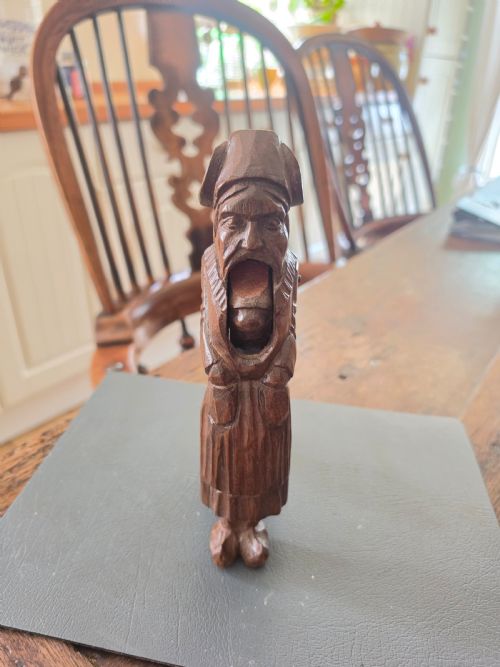

Black Forest Figure Carving
These black forest figure carving pieces are spirited wooden sculptures and functional objects from the nineteenth and early twentieth centuries that bring rustic charm to any interior.
Black Forest Figure Carving
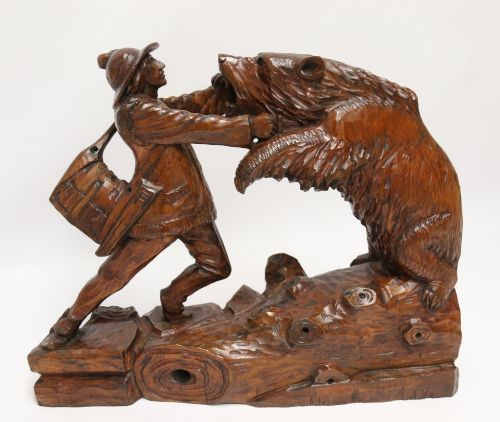
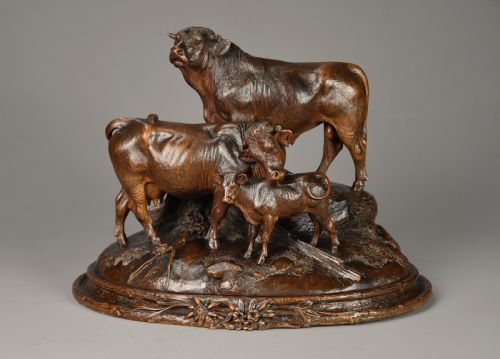
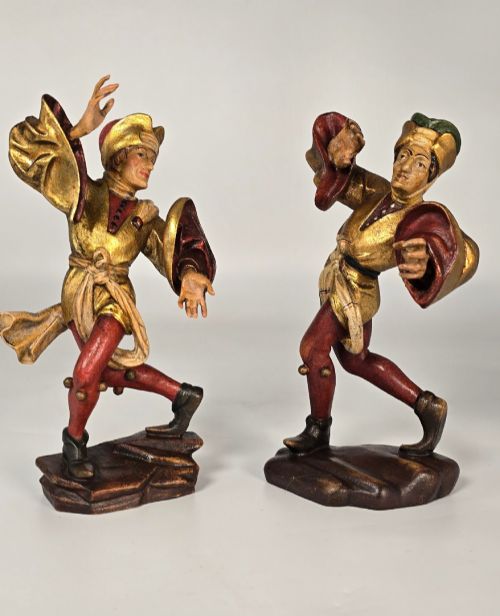
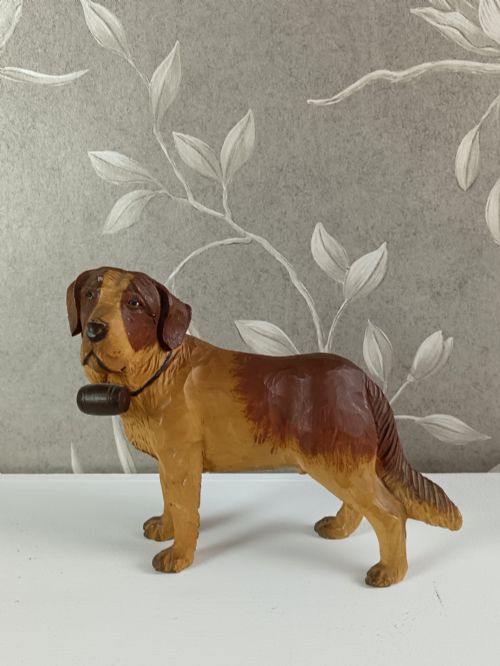
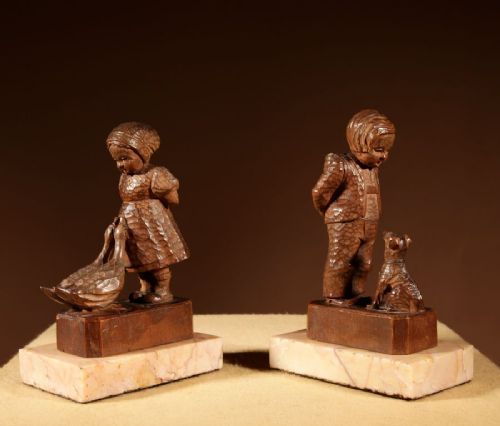
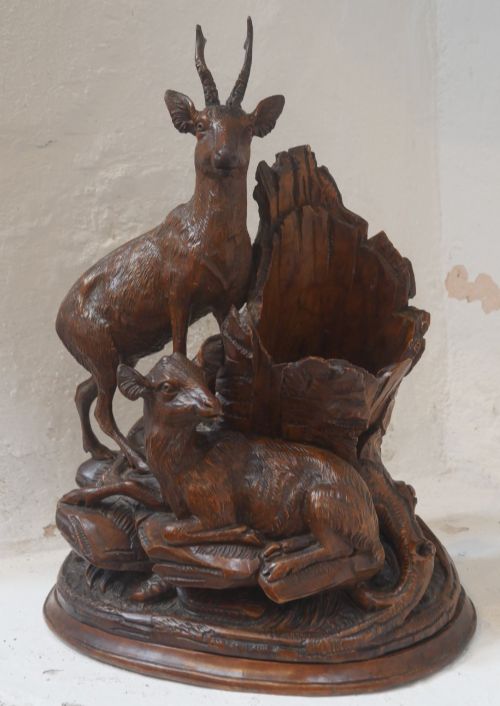
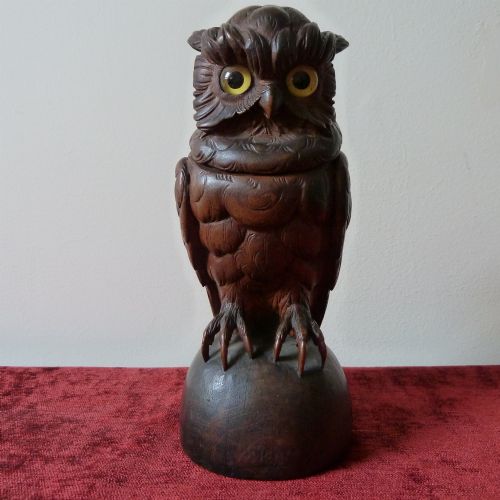
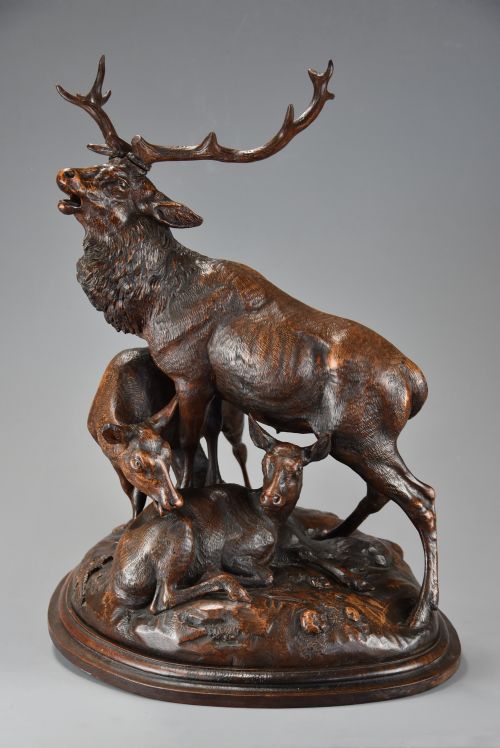
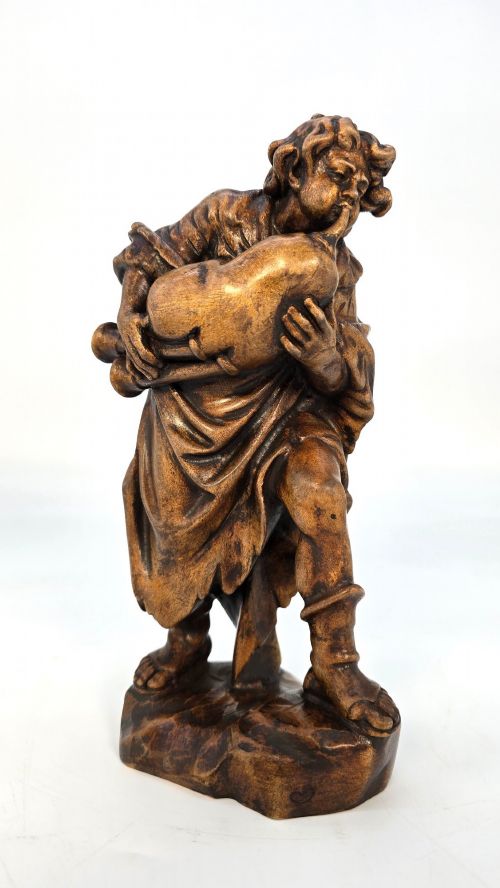
When you examine a black forest figure carving, you encounter domestic animals, forest wildlife, and human figures rendered in three dimensions. The selections here span the Victorian era into the early twentieth century, originating primarily from workshops in Alpine regions.
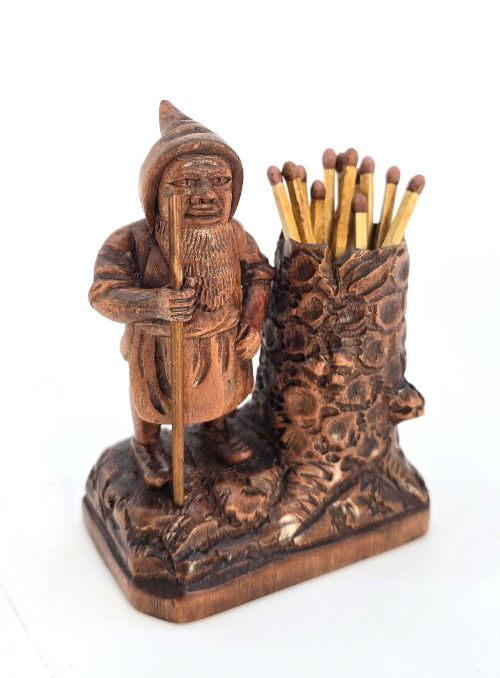
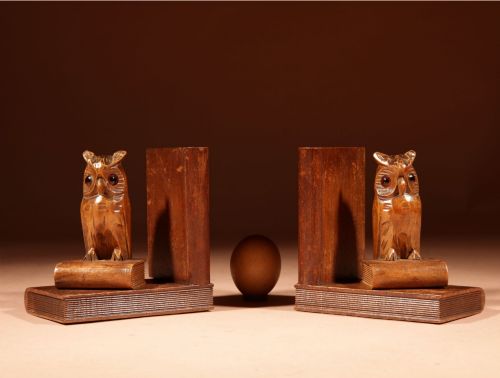
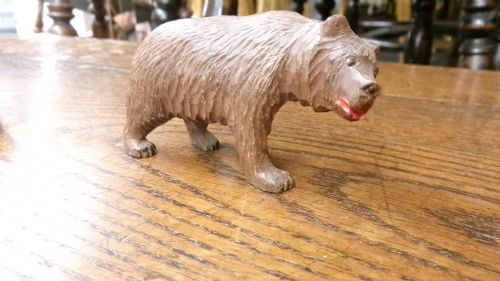
Bears, owls, deer, and human characters such as peasants or musicians dominate the available forms. These figures often double as functional items, including bookends, inkwells, nutcrackers, and match holders.
The objects reflect both traditional folk art and formal Victorian decorative arts. They range from small tabletop ornaments to substantial animal groups.
Materials and construction
Carvers predominantly utilised soft and hard woods native to European forests, notably linden wood, limewood, walnut, and occasional oak. Linden wood provided a fine grain that allowed artisans to execute intricate fur textures, feathers, and facial expressions without splitting.
Tools such as gouges and chisels shaped the timber by hand, often finished with subtle paint, glass eyes, or stud details to bring realism to the animals. Many pieces display visible chisel marks that demonstrate the direct hand of the carver.
Black Forest Figure Carving Retail Price Guide 2026
Typical asking prices for black forest figure carving among the pieces listed under this phrase on Sellingantiques today, from the lower quarter to the upper quarter. They describe what is for sale here now, not the wider market.
The listings show nineteenth-century and early twentieth-century dates, utilising linden wood, limewood, walnut, and oak for animal and human figure groups.
Determining quality and execution
The distinction between ordinary and superior pieces lies in the anatomy, depth of undercut, and expression of the subject. Master carvers captured movement and tension in muscle and bone, whereas lesser examples remain stiff and flat.
Signed works and stamped workshop pieces demonstrate higher standards of craftsmanship. Attention to detail in fur rendering and realistic glass eyes elevate the sculptural merit of a piece above basic utilitarian carvings.
J HUGGLER
The Black Forest Figure Carving Glossary
- Linden wood
- A pale timber with a tight, uniform grain favoured by carvers for detailed figurative work. It resists splitting and accepts fine chisel lines.
- Undercutting
- A carving technique where wood is removed beneath a projected element to create shadow and three-dimensional depth. It distinguishes skilled sculpture from flat relief work.
- Folk art
- Utilitarian and decorative objects produced by self-taught or provincial artisans outside academic traditions. These items emphasise function and regional character.
- Inkwell
- A small desk container for holding liquid ink, frequently integrated into carved animal or forest scenes during the Victorian period.
- Nutcracker
- A mechanical tool designed to crack shells, often disguised as a carved bear or human figure with a lever mechanism concealed in the limbs.
Black Forest Figure Carving: Frequently Asked Questions
What are black forest carvings made from?
These sculptures are carved primarily from European hardwoods and softwoods. Linden wood, limewood, and walnut appear most frequently in the titles.
Carvers favoured these timbers because their fine grain allowed for deep undercutting and intricate textural details like fur and feathers.
How do I identify a genuine period piece?
Authentic nineteenth-century pieces display hand tool marks, natural timber shrinkage cracks, and genuine wear consistent with age. Glass eyes and painted accents should show appropriate patina.
Look closely at the anatomical accuracy and depth of the carving, as earlier artisan work differs significantly from later machine-assisted reproductions.
Were these carvings purely decorative?
Many figures served practical household functions alongside their ornamental appeal. Common utilitarian forms include bookends, inkstands, match holders, and nutcrackers.
Animals such as bears and owls frequently held items like trays or pens, combining sculpture with everyday utility.
How should I care for wooden carvings?
Keep wooden sculptures away from direct sunlight and extreme temperature fluctuations to prevent the timber from drying and splitting. Dust gently with a dry, soft brush.
A light application of appropriate wood wax can help nourish dry timber over time, though unfinished linden wood requires minimal intervention.