


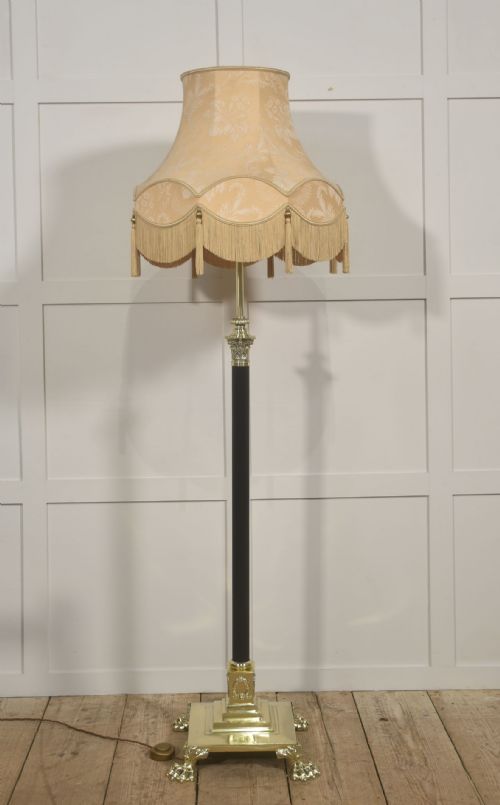


Black Floor Lamp
These black floor lamp pieces bring period presence and vertical illumination to a room, spanning Victorian ironwork to Chinoiserie lacquer.
Black Floor Lamp
A black floor lamp provides directional light through upright standards, lantern stands, and torcheres originating from the nineteenth and early twentieth centuries. These upright fixtures serve functional illumination and decorative roles across varied historical styles.
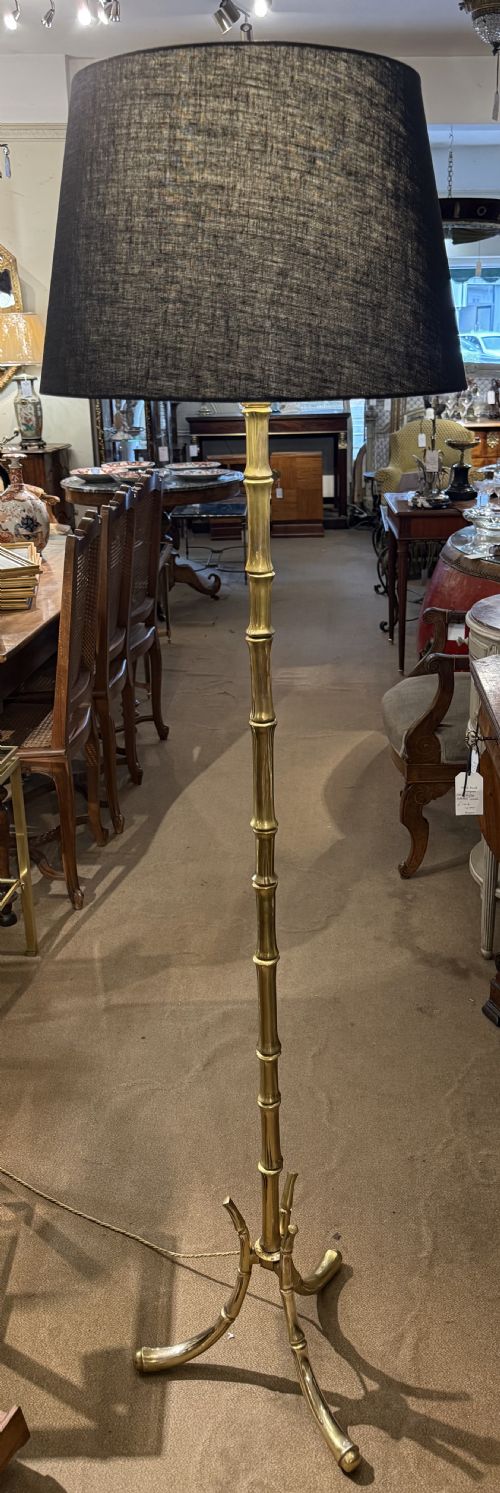
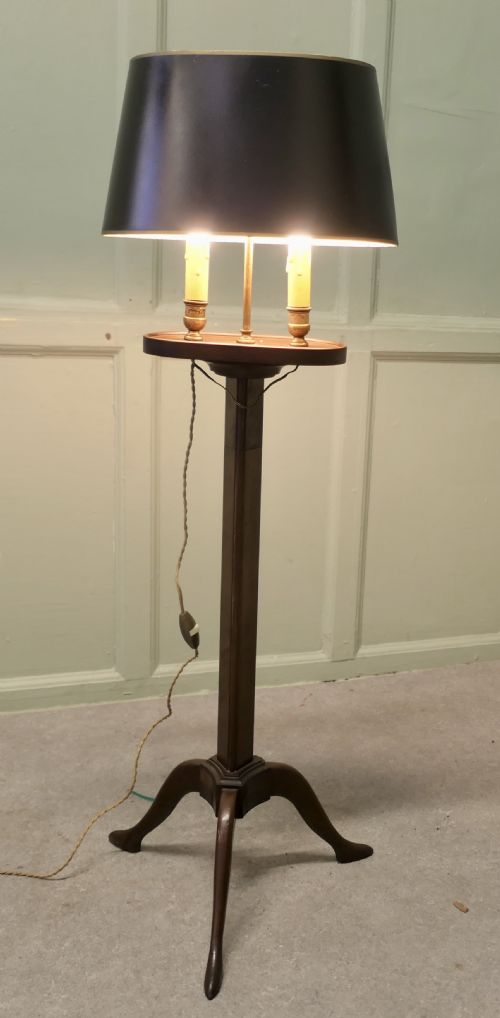
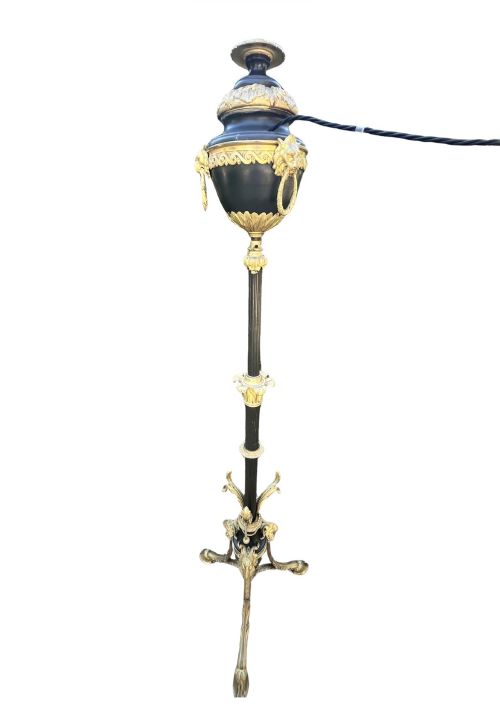
The selection centres on standard lamps and floor lamps featuring dark finishes, ebonised surfaces, and lacquered woodwork. Buyers encounter Chinoiserie decorated shafts, wrought iron frames, and classical brass columns.
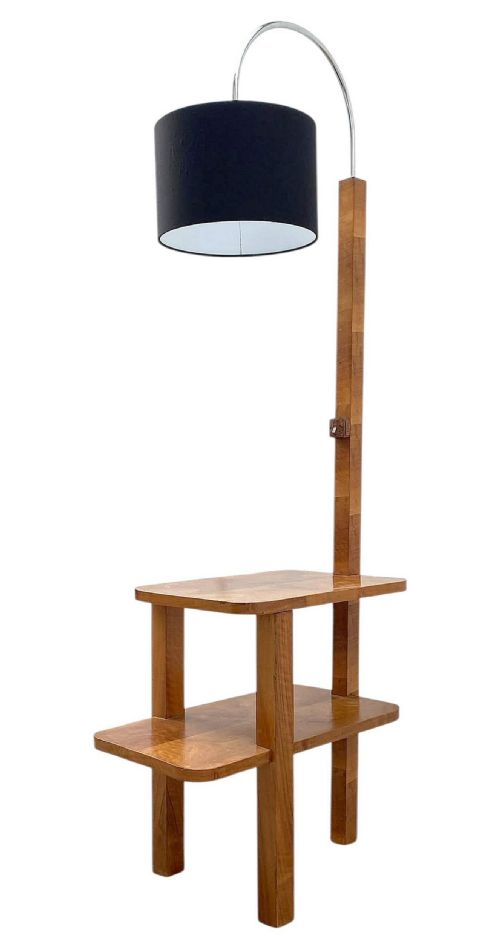
Examples date from Victorian and Edwardian eras through to 1930s modernist designs, incorporating adjustable stems, twin arms, and integrated table surfaces.
How They Were Made
Maker workshops utilised solid wood, wrought iron, and cast brass, applying black lacquer, ebonising, and parcel gilt highlights to the surfaces. Metal components often incorporated telescopic mechanisms and adjustable arms for functional height variation.
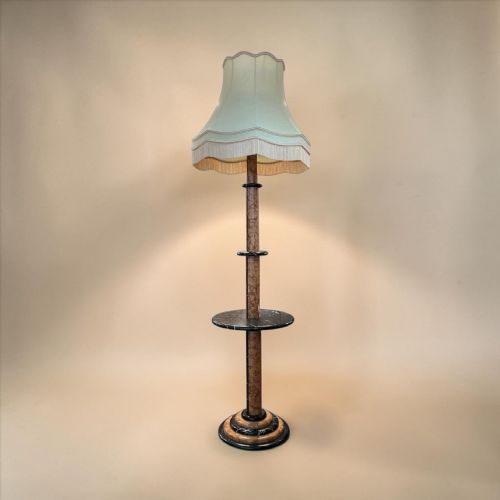
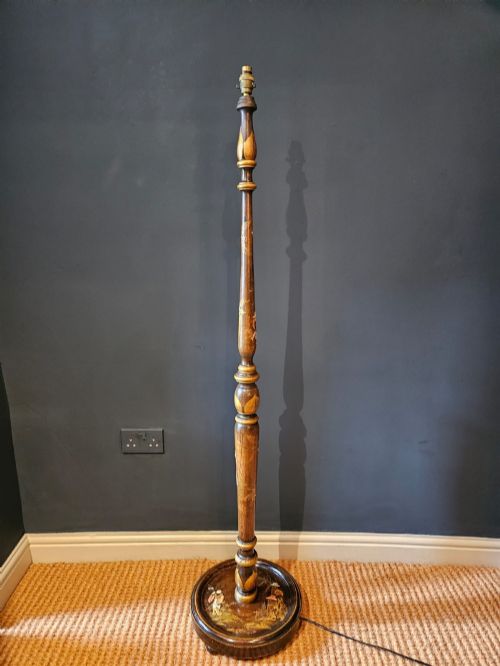
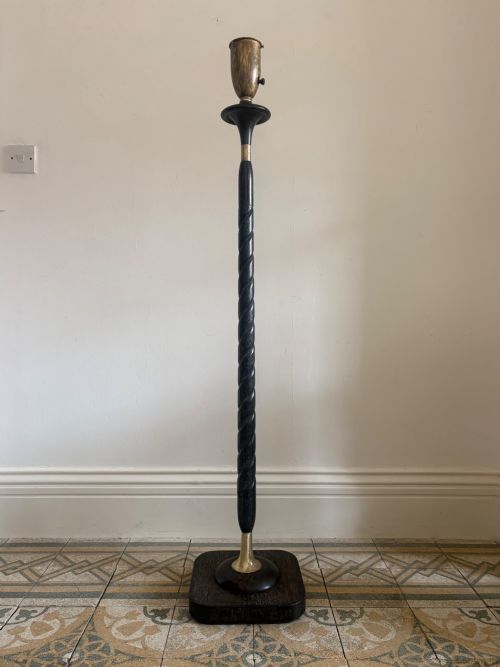
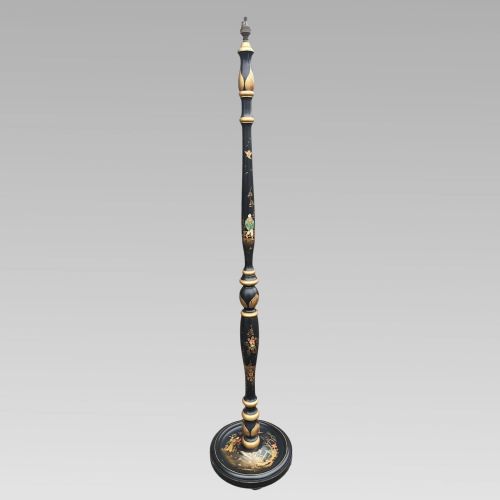
Wooden standards frequently display hand-carving, barley twist turnings, and applied Chinoiserie decoration depicting oriental motifs. Fabric elements provide shade while heavy marble or metal bases ensure stability for the upright forms.
Black Floor Lamp Retail Price Guide 2026
Typical asking prices for black floor lamp among the pieces listed under this phrase on Sellingantiques today, from the lower quarter to the upper quarter. They describe what is for sale here now, not the wider market.
Object forms include floor lamps, standard lamps, lantern stands, and torcheres in styles ranging from Regency to Art Deco.
What Varies in Quality
The standard of execution shows in the crispness of hand-carved wood details, the depth and durability of black lacquer finishes, and the integrity of applied gilt work. Superior examples exhibit balanced proportions and robust construction across telescopic and adjustable joints.
Material selection dictates the structural weight, from solid marble bases and heavy wrought iron to finely turned ebonised timber. Hardware quality, such as original brass fittings and switches, distinguishes standard production from finer workshop pieces.
Maison Bagues·Humphrey Hopper·Rene Mathieu
The Black Floor Lamp Glossary
- Torchere
- A tall stand or floor lamp designed to hold a light source, originating from classical European interiors. These pieces provide elevated ambient illumination.
- Ebonised
- Wood treated with stain or finish to imitate ebony wood. This dark, dense appearance defines many nineteenth-century standard lamps.
- Bouillotte
- A type of adjustable reading lamp featuring candles or bulbs beneath a shade. Period examples translate desk lamp forms to floor standing heights.
- Standard lamp
- British term for a floor lamp featuring a vertical upright post resting on a weighted base. These fixtures support various shade and arm configurations.
Black Floor Lamp: Frequently Asked Questions
Where should I place a black floor lamp?
These upright fixtures suit corners of reception rooms or beside seating areas where vertical illumination is required. Their height allows them to illuminate reading zones without crowding table surfaces.
Positioning them against lighter walls highlights the dark silhouettes of wrought iron or ebonised wood standards. Adjustable arms and telescopic stems help direct light precisely where needed.
How do I identify a Chinoiserie floor lamp?
Chinoiserie pieces feature hand-painted oriental motifs set against black lacquer or ebonised wood surfaces. The decoration often depicts figures, landscapes, or floral patterns in gold and coloured pigments.
These lamps emerged strongly during the Edwardian period and through the 1930s, combining traditional European standing lamp forms with decorative eastern aesthetics.
What is a telescopic floor lamp?
A telescopic floor lamp incorporates a sliding stem mechanism that allows the overall height of the light source to be adjusted up and down. This mechanical feature appears frequently on Victorian wrought iron and brass standards.
Such designs provided practical utility in period homes, letting occupants alter illumination levels for reading or room ambiance.
How do I care for lacquered wood?
Laccred and ebonised surfaces require gentle dusting with a soft, dry cloth to prevent abrasive particles from scratching the finish. Avoid commercial chemical polishes that can degrade historical lacquer.
Keeping these lamps away from direct heat sources and strong sunlight preserves the stability of the wood and the integrity of painted details.