





Black Fire Guard
A black fire guard protects a room from stray embers while adding period character to a hearth.
Black Fire Guard
A black fire guard is an essential hearth accessory designed to contain sparks and ash within the fireplace opening. The examples on this page span the Regency, Victorian, and Edwardian periods, alongside early twentieth-century pieces.
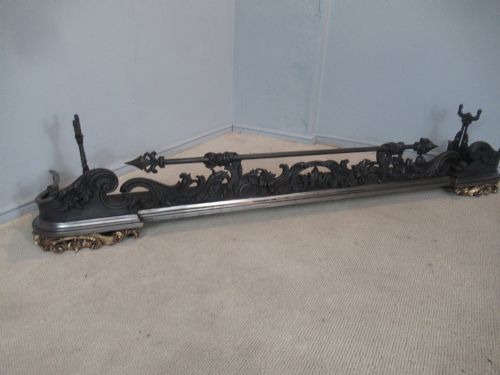
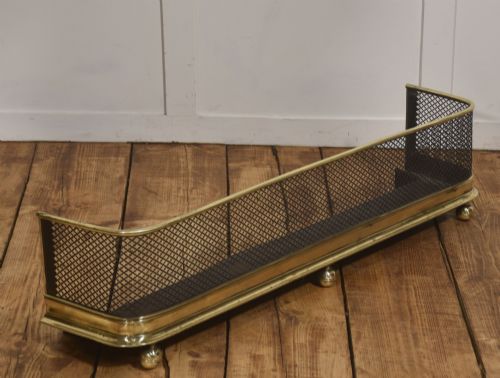
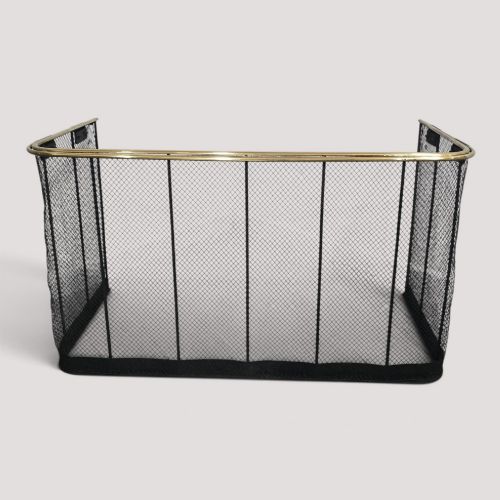
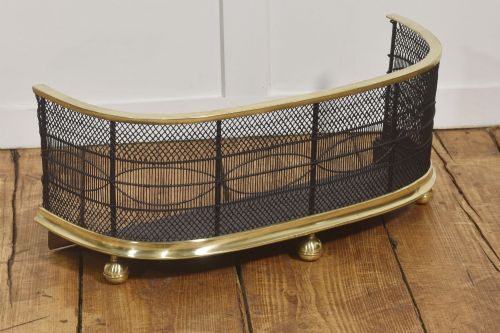
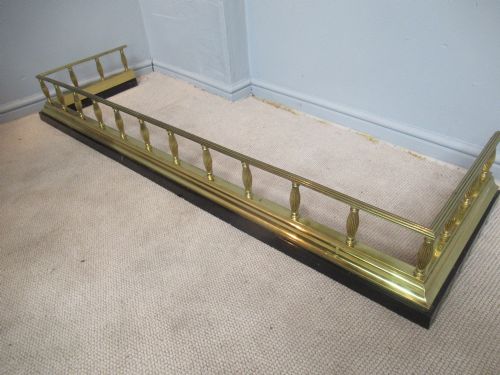
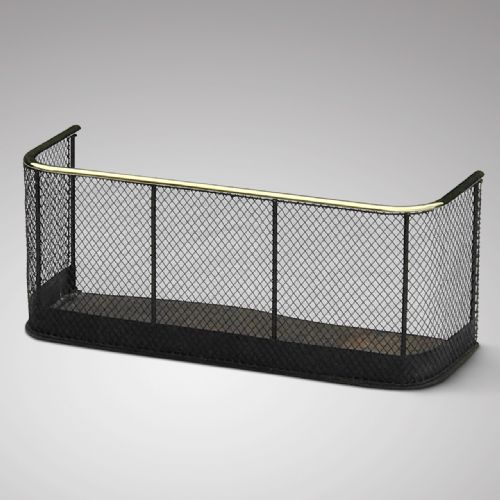
Buyers will most frequently encounter wire mesh nursery fenders, iron fire screens, and heavy cast iron fenders with dark or painted finishes. These range from simple folding spark guards to large nursery fenders equipped with brass top rails or clothes drying bars.
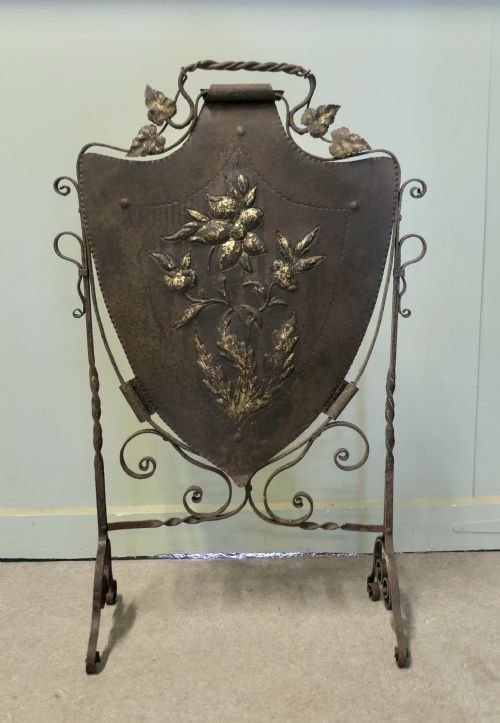
Origins represented in the selection include Gothic Revival, Arts and Crafts, and French Empire styles, alongside country house and Oriental black lacquer designs. Each form reflects the domestic safety requirements and decorative tastes of its original era.
How they were made
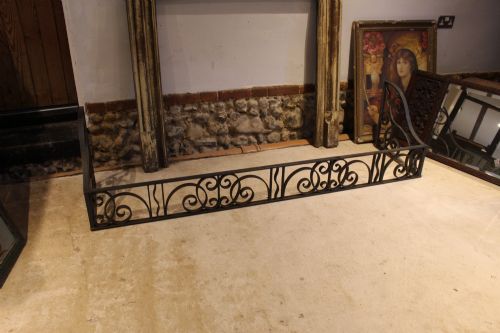
Makers utilised iron, wrought iron, and cast iron to build sturdy structural frames and heavy protective screens. These dark metals were frequently paired with brass rims, copper panels, or fine wire mesh to balance durability with lighter decorative detailing.
Some pieces incorporate carved oak frames or black lacquer finishes hand-painted with specific motifs like flamingos. Joining techniques relied on traditional metalworking methods, including riveted wirework, forged iron scrollwork, and cast structural components.
Black Fire Guard Retail Price Guide 2026
Typical asking prices for black fire guard among the pieces listed under this phrase on Sellingantiques today, from the lower quarter to the upper quarter. They describe what is for sale here now, not the wider market.
Listings feature nineteenth-century and early twentieth-century examples constructed from iron, wrought iron, cast iron, and brass wire mesh.
What varies in quality
Quality in a black fire guard lies in the substance of its materials and the integrity of its construction. Heavy cast iron, robust wrought iron frames, and tightly woven wire mesh indicate a sturdier build capable of withstanding daily hearth use.
Design sophistication further distinguishes the range, from plain utilitarian spark guards to elaborate Gothic Revival shields or pierced brass and steel fenders. Finer pieces show careful attention to detail in their decorative brass top rails, forged hinges, and integrated companion sets.
The Black Fire Guard Glossary
- Nursery fender
- A tall protective barrier designed to enclose the entire hearth area and keep children and pets at a safe distance from the fire. These often feature fine wire mesh and a sturdy top rail.
- Spark guard
- A fine mesh screen positioned directly in front of the fireplace opening to catch flying embers. They are built to be lightweight and frequently fold for easy storage.
- Club fender
- A low, U-shaped hearth fender featuring upholstered padded seats on either side. These originated in gentleman's clubs and country houses to provide fireside seating.
- Gothic Revival
- An architectural and decorative style popular during the nineteenth century, characterised by pointed arches, quatrefoils, and medieval motifs. Iron fire screens from this movement display strong architectural influences.
- Wirework
- The craft of bending, twisting, and soldering metal wire into intricate protective mesh patterns. It forms the primary body of many period spark guards and nursery fenders.
Black Fire Guard: Frequently Asked Questions
What is a nursery fender?
A nursery fender is a tall, enclosed protective barrier built to surround the hearth completely. It prevents children and pets from getting too close to open flames.
These pieces typically feature a fine wire mesh body and often include a brass top rail or an integrated clothes drying bar.
How do I choose the right size?
Measure the width and depth of your fireplace hearth to ensure the guard or fender sits securely around the opening. Consider the height of the guard based on whether you need low spark protection or a full nursery enclosure.
Take into account any protruding hearth stones or fire tools that the frame must clear.
How do I clean a cast iron guard?
Dust the iron surface regularly with a soft, dry cloth to prevent the accumulation of soot and debris. Avoid harsh chemical cleaners that can strip historic dark finishes.
For unlacquered iron, a very light application of appropriate grate polish or oil helps maintain the dark surface and prevents corrosion.