

Black Etching Art
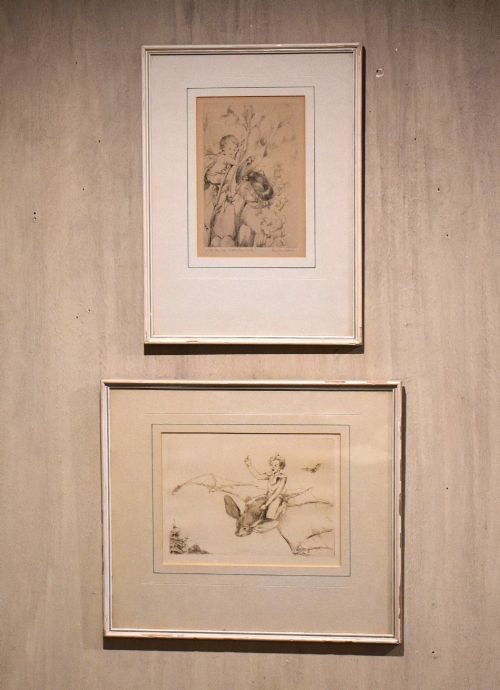
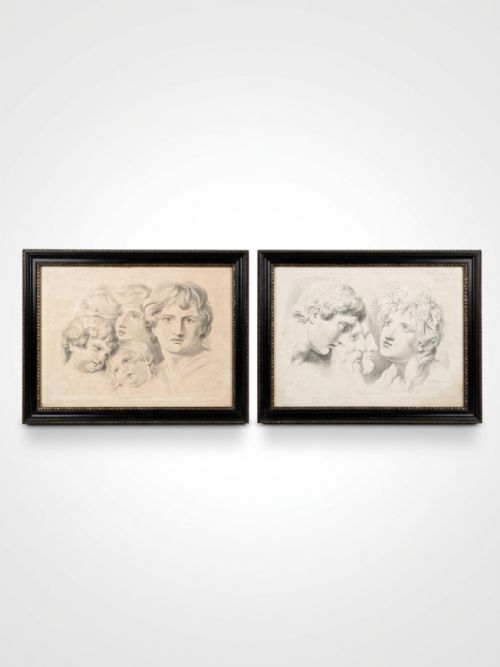
These pieces of black etching art bring depth and historical presence to a wall through centuries of printed ink and paper.
Black Etching Art
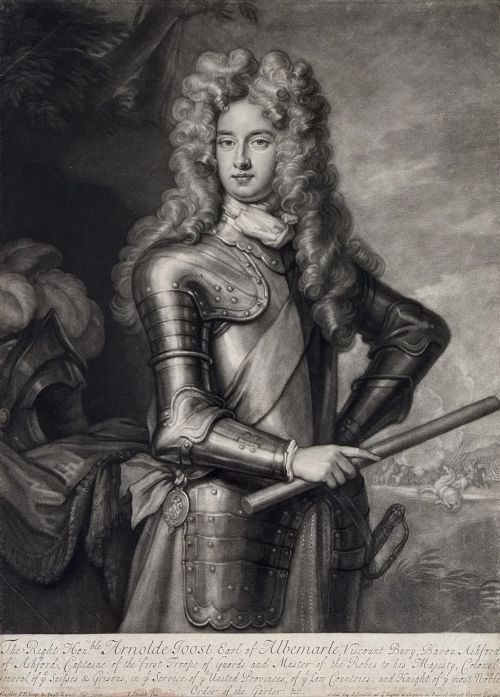
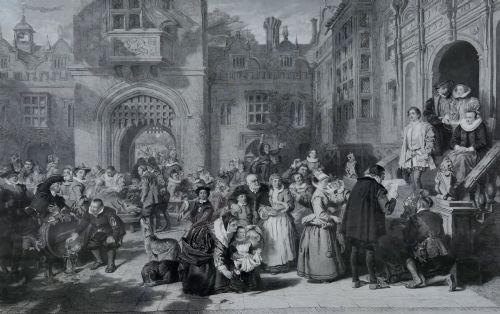
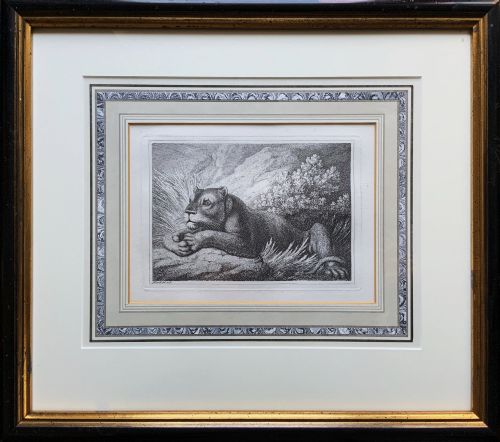
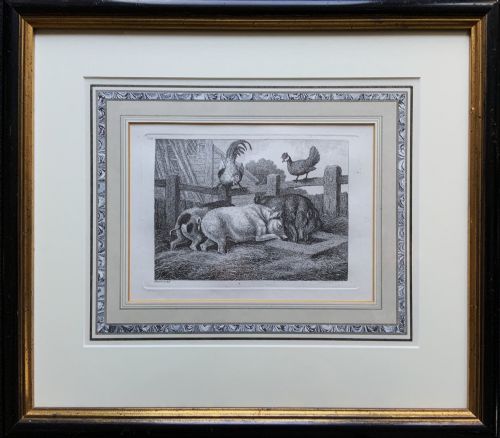
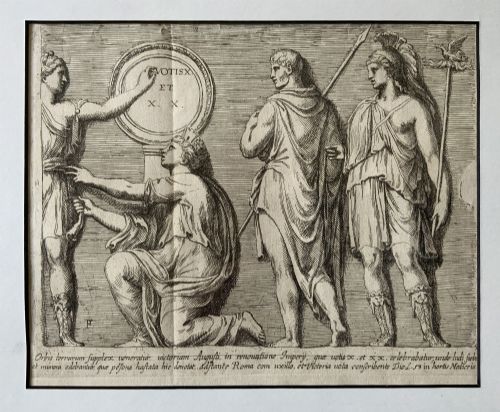
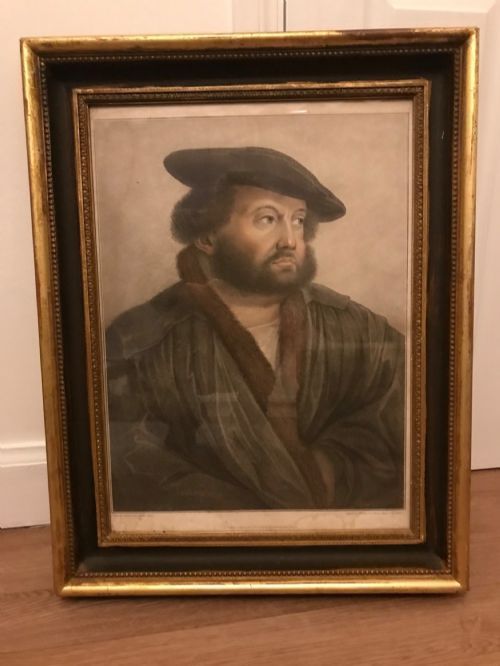
Black etching art spans centuries of printed imagery, encompassing detailed animal studies, classical antiquities, and dramatic portraits. When searching for this style, a buyer encounters works ranging from the seventeenth century through to the early twentieth century.
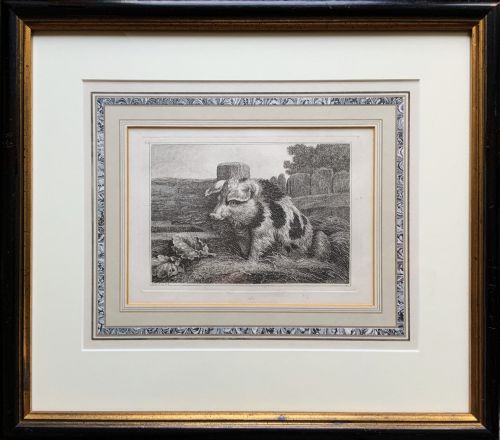
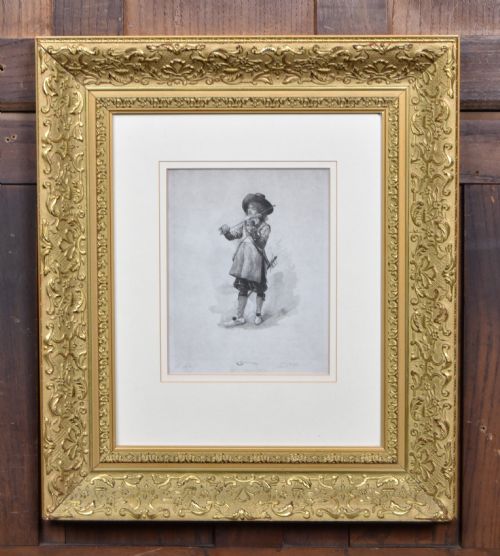
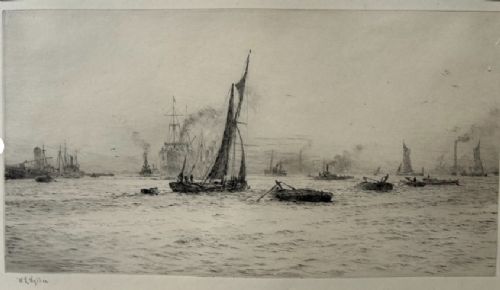
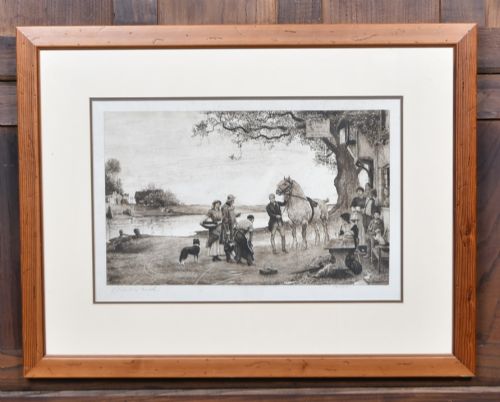
The selection includes framed prints, wall art, and original engravings housed in period frames such as original Hogarth styles. Works by notable printmakers anchor the category, showing subjects from rural scenes to literary illustrations.
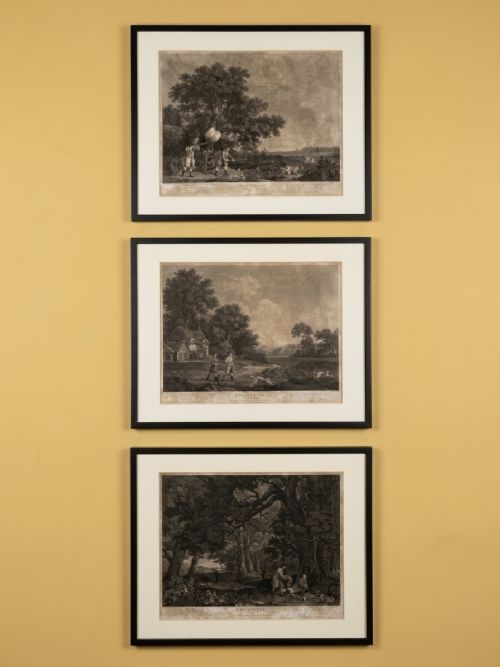
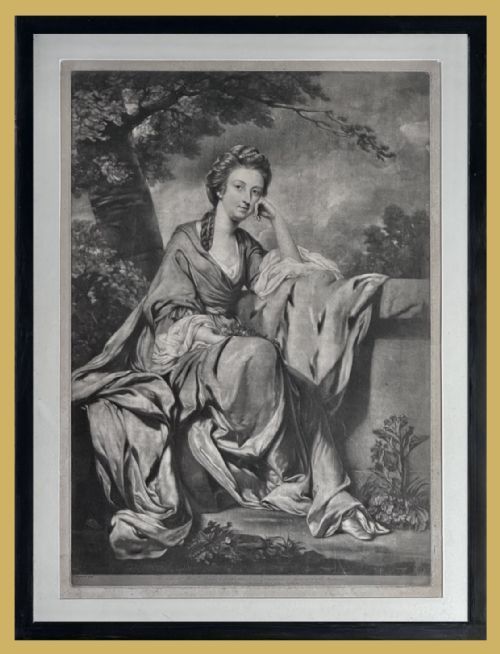
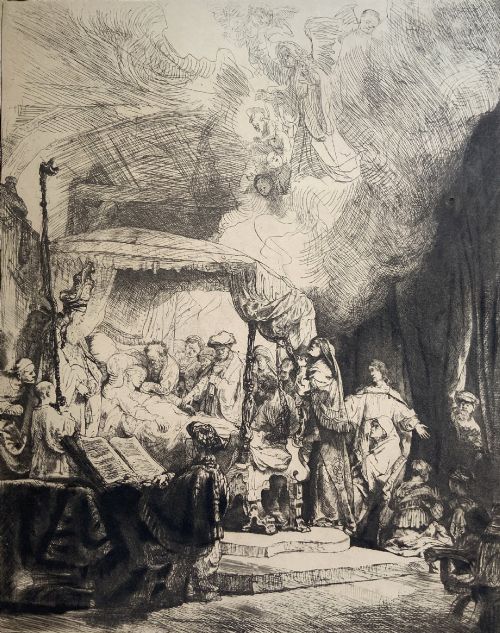
Etchings and mezzotints dominate the selection, offering rich monochrome tones on paper or vellum. These works bridge the gap between intimate portfolio pieces and striking framed wall displays.
Materials and Technique
Makers utilised dark printing inks applied to paper or vellum, creating stark contrasts and fine tonal gradations. Plates of metal were incised directly or treated with acid baths to hold the ink before pressing.
Many works incorporate original wooden surrounds, including gilt wood and traditional Hogarth frames that complement the monochrome palette. Additional touches such as gold leaf and enamel appear on related decorative objects within the wider selection.
Black Etching Art Retail Price Guide 2026
Typical asking prices for black etching art among the pieces listed under this phrase on Sellingantiques today, from the lower quarter to the upper quarter. They describe what is for sale here now, not the wider market.
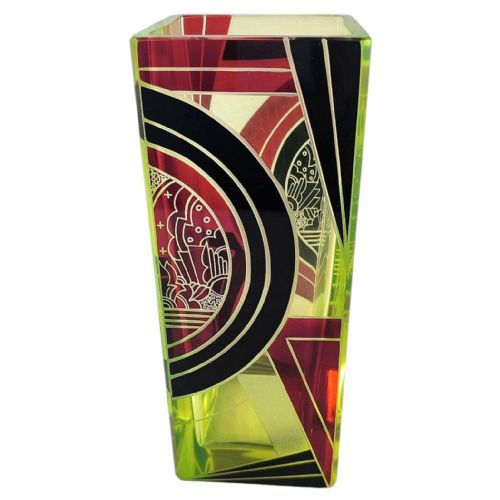
Listings span from the seventeenth century through the Art Deco era, combining works on paper with glass objects.
Evaluating Quality
Quality rests upon the crispness of the impression left by the plate and the clarity of the lines. Early impressions retain fine details that later reprints or worn plates inevitably lose.
The presence of an artist's signature or designation as an artist's proof elevates an individual print. Preservation of the paper sheet and the authenticity of the accompanying period frame further distinguish the finest examples.
Marjorie L Davies·John Smith·Sir Godfrey Kneller·Samuel Howitt·François Perrier·William Woollett·George Stubbs·Edward Fisher·Sir Joshua Reynolds·Francesco Bartolozzi·Herbert Dicksee·Rembrandt·Amand-Durand·William Lionel Wyllie·Robert W Macbeth·John Faber Jr·Étienne Baudet·William Hogarth·Anne Goldthwaite·Karl Palda
The Black Etching Art Glossary
- Etching
- A printmaking method where acid bites lines into a metal plate to hold ink. This technique allows for free, fluid line work compared to rigid engraving.
- Mezzotint
- A printmaking process that achieves rich tonal variations through a roughened metal plate. It produces velvety dark backgrounds and subtle shifts in light.
- Stipple engraving
- A method of creating images using dots rather than continuous lines. It generates soft shadows and lifelike flesh tones.
- Artist's proof
- An impression printed for the artist's own use before the main edition is run. These carry particular weight among collectors.
- Vellum
- A fine parchment made from calfskin used as a durable printing surface. It imparts a unique texture distinct from standard paper.
Black Etching Art: Frequently Asked Questions
How do I care for antique etchings?
Keep framed pieces away from direct sunlight to prevent the ink and paper from fading over time. Maintain stable room humidity to protect both the paper and the wooden frame.
Ensure backing materials are acid-free if you ever need to reframe the work. Gentle dusting of the glass is all that is required for routine maintenance.
What is the difference between an etching and an engraving?
An etching relies on acid to bite lines into the metal plate, producing softer and more expressive marks. An engraving uses a sharp tool called a burin to cut directly into the metal.
Engravings typically display precise, rigid lines with uniform depth. Etchings offer varied line weights and a more painterly quality.
Are these prints original period works?
The selection includes genuine period impressions dating from the seventeenth century through to the early twentieth century. Many carry contemporary signatures, dates, or publishing details that tie them to their era.
Descriptions note specific printmakers and techniques to help identify the origin of each piece. Expert re-strikes also exist alongside lifetime impressions.
How should I display black etching art?
Monochrome prints pair well with neutral wall colours that allow the dark ink tones to stand out. Grouping works with similar subject matter, such as animal studies or portraits, creates a cohesive display.
Consider using conservation-grade framing with UV-protective glass to shield the paper from environmental damage. Hang pieces at eye level in rooms with indirect lighting.