



Black Ebonised Framed Silhouette
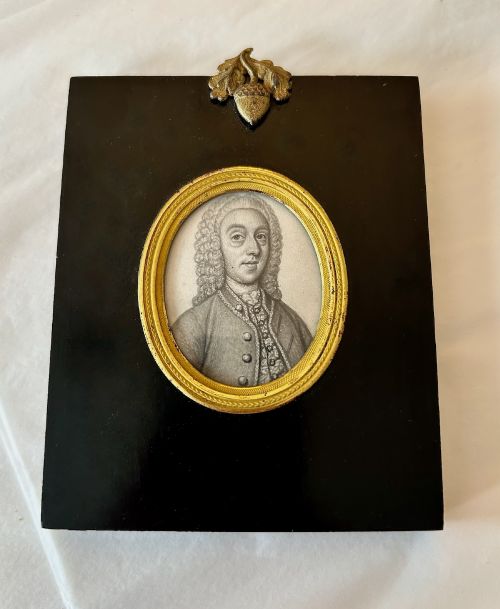
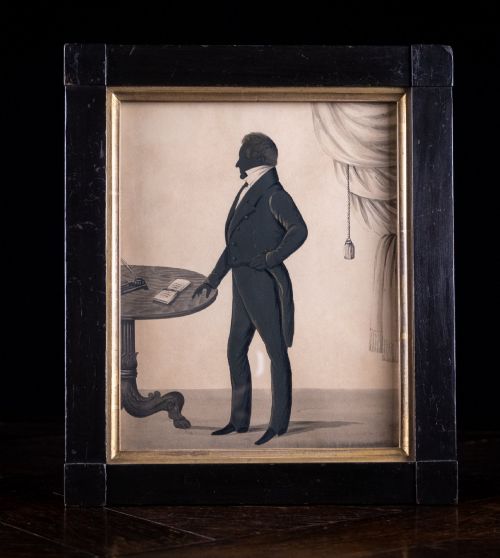
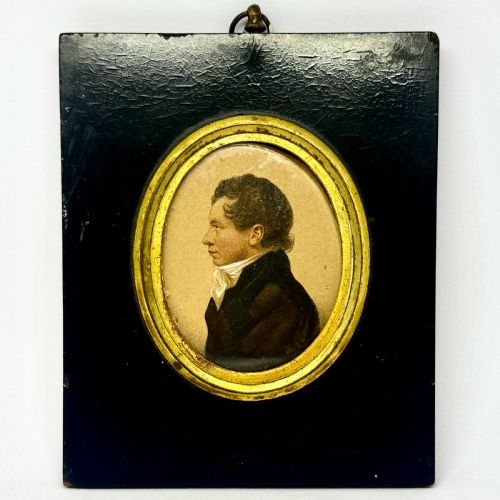
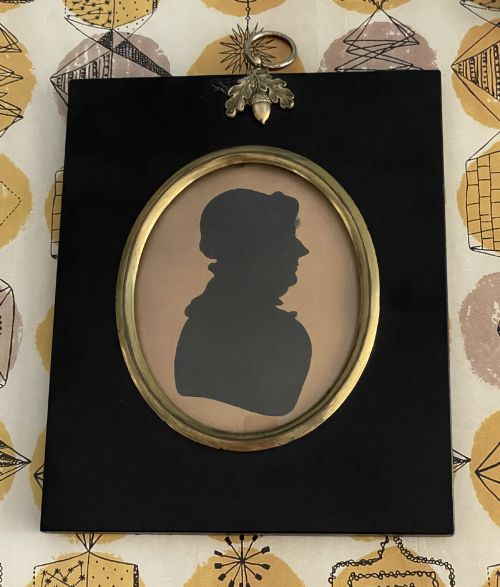
These black ebonised framed silhouette portraits capture likenesses in profile using paper, paint, and glass across Georgian and Regency periods.
Black Ebonised Framed Silhouette
When you search for a black ebonised framed silhouette, you encounter profile likenesses produced primarily during the Georgian, Regency, and wider nineteenth-century periods. These works serve as intimate historical records, capturing sitters ranging from named individuals like Mrs Grace Williams and Mary Watts-Russell to anonymous ladies, gentlemen, and children.
The most common forms on this page include framed portrait miniatures, silhouette portraits, and cut paper pictures housed within timber frames. Many examples incorporate painted details, ink work, or gilded highlights on glass and paper, reflecting the diverse output of period artists working before the widespread adoption of photography.
How they were made
Cut paper technique forms another primary method, where silhouettes were meticulously snipped from dark paper and mounted against contrasting backgrounds. These elements were then sealed within glazed brass-accented or wooden frames to protect the delicate media from atmospheric degradation.
Black Ebonised Framed Silhouette Retail Price Guide 2026
Typical asking prices for black ebonised framed silhouette among the pieces listed under this phrase on Sellingantiques today, from the lower quarter to the upper quarter. They describe what is for sale here now, not the wider market.
Several gentlemen wear remarkably prominent whiskers.
What varies in quality
Quality rests upon the precision of the cutting or brushwork, distinguishing rapid commercial output from master portraiture. Finer examples display meticulous attention to anatomical detail, delicate eyelash or lace rendering, and skilled application of gold leaf highlights.
The sophistication of the framing and mounting also dictates grade, with original ebonised wood surrounds, convex glasses, and documented provenance or legible signatures elevating the piece. Lesser works exhibit simpler execution, coarser paper cutting, or later replacement frames lacking period character.
George Atkinson·James Gillespie·Thomas London·John Miers
The Black Ebonised Framed Silhouette Glossary
- Ebonised wood
- Timber treated with a dark stain or finish to imitate expensive ebony wood. This dark border provides a stark, contrasting boundary that makes the profile portrait stand out.
- Reverse painted
- A technique where the artist paints directly onto the rear surface of a glass panel. When viewed from the front, the glass provides a glossy protective sheen over the pigment.
- Cut paper picture
- An artwork created by snipping silhouettes from dark paper using specialised scissors. The resulting paper profile is then laid against a lighter background.
- Portrait miniature
- A small, highly detailed painting or profile designed for intimate viewing. These compact works were frequently housed in small wooden or brass frames for desk or wall display.
- Gilded silhouette
- A profile enhanced with fine gold leaf applied to highlight costume elements, jewellery, or hair. This metallic addition catches ambient light within the dark frame.
Black Ebonised Framed Silhouette: Frequently Asked Questions
How do I hang a framed silhouette?
Display these framed pieces away from direct sunlight to prevent the fading of dark paper, inks, and painted details.
Use appropriate picture hooks rated for the weight of antique glass and wood frames to secure them safely to the wall.
Are these silhouettes original period pieces?
The listings comprise works originating from the eighteenth and nineteenth centuries, spanning Georgian and Regency eras.
Materials such as old glass, handmade paper, and ebonised timber assist in confirming the period authenticity of each individual artwork.
What is reverse glass painting?
Reverse glass painting involves applying pigment to the back side of a glass sheet so the image is viewed through the front.
This method protects the paint from dust and damage while imparting a distinctive glossy finish to the silhouette portrait.
How do I identify a Regency silhouette?
Regency examples frequently feature distinct hairstyles, high-waisted costume styles, and specific framing materials characteristic of the early nineteenth century.
Signed works or pieces with period handwriting on the reverse help establish the exact chronological context.