



Black Dressing Mirror
These black dressing mirror pieces bring depth and dramatic contrast to a room through dark wood, lacquer, and ebonised finishes.
Black Dressing Mirror
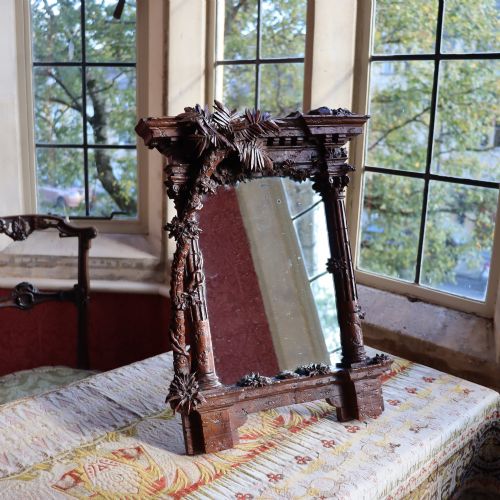
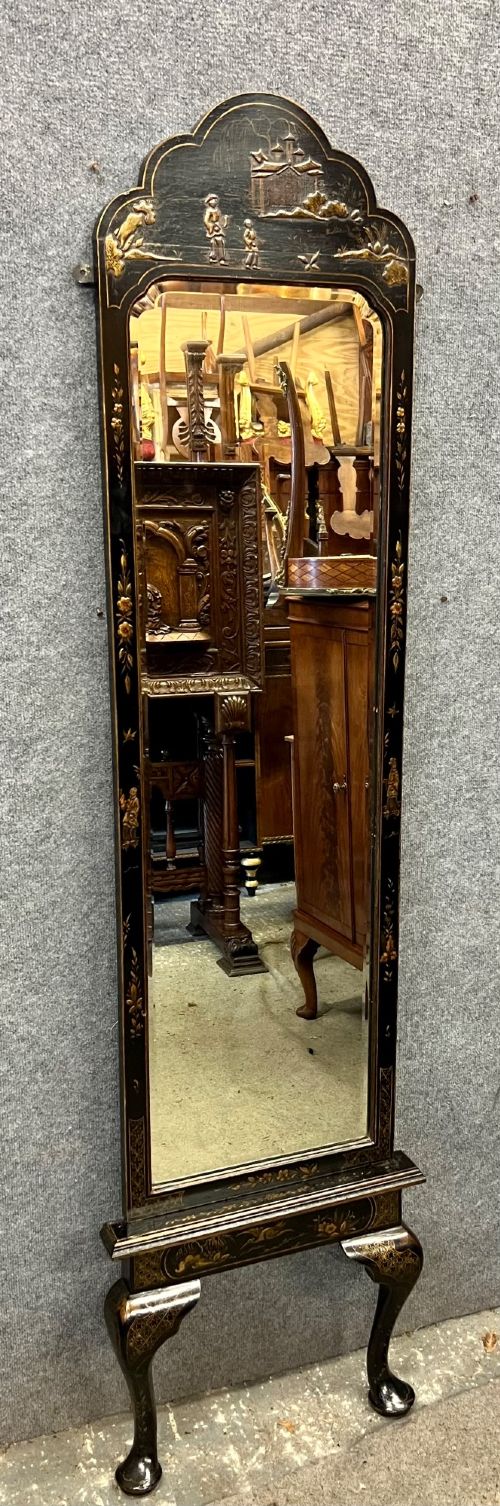
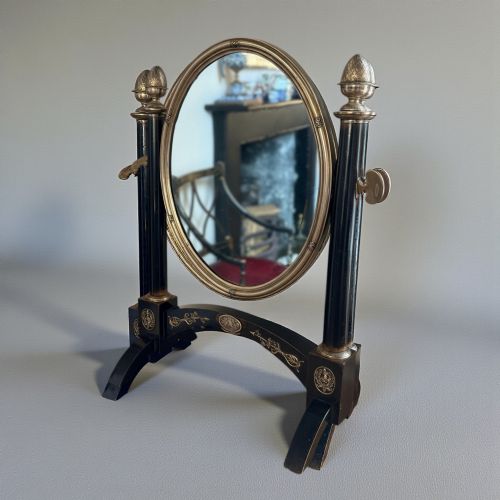
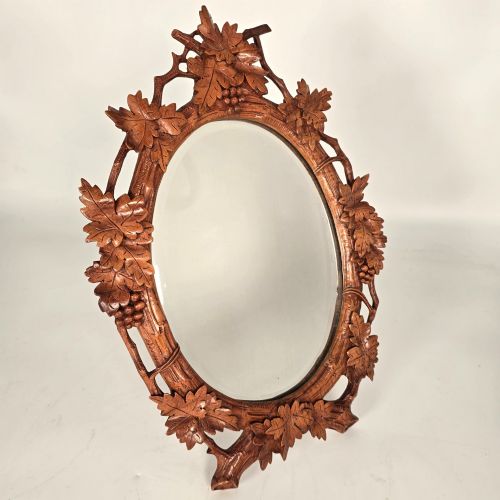
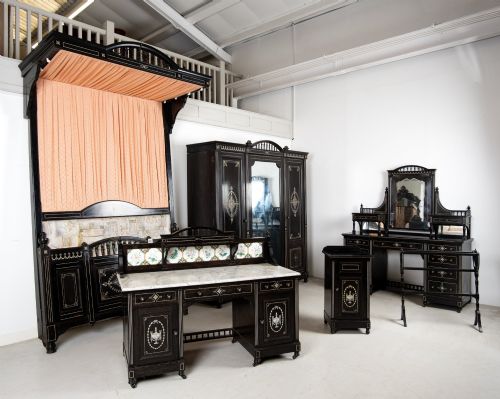
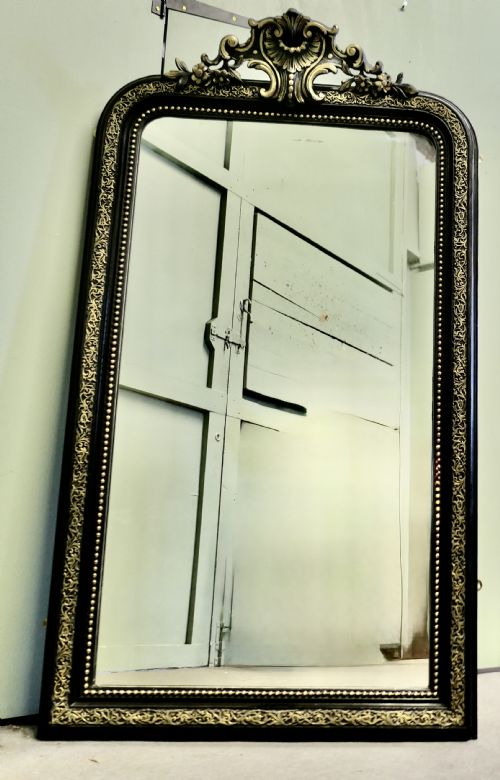
A black dressing mirror encompasses compact toilet mirrors for tabletops, larger floor-standing pieces, and coordinated bedroom suites featuring dark surfaces. You will frequently encounter ebonised wood frames, Chinese export lacquer work, and Victorian interpretations spanning several centuries of craftsmanship.
The historical scope ranges from early eighteenth-century pieces with bureau bases to nineteenth-century French toilet mirrors and twentieth-century black framed variants. These objects function as practical dressing accessories while anchoring an interior scheme with strong monochrome tones.
How they were made
Wood forms the primary structural foundation, frequently treated with ebonisation to mimic costly ebony or finished in intricate black lacquer and gesso. Artisans incorporated glass mirror plates, sometimes retaining their original mercury backing, alongside brass hardware and inlaid details.
Black Dressing Mirror Retail Price Guide 2026
Typical asking prices for black dressing mirror among the pieces listed under this phrase on Sellingantiques today, from the lower quarter to the upper quarter. They describe what is for sale here now, not the wider market.
Materials recorded across the selection include ebonised wood, gesso, brass, lacquer, and silvered metal.
What varies in quality
The refinement of the surface decoration largely dictates the standing of a piece, distinguishing simple painted items from elaborate Chinoiserie lacquer or finely carved lime wood. Originality of components, particularly surviving glass plates and integrated miniature bureau bases, elevates the integrity of older examples.
Proportion and structural ambition also separate standard furnishings from grander floor-standing and pier mirrors. The integration of specialised materials like brass mounts and intricate inlay demonstrates superior workshop execution.
The Black Dressing Mirror Glossary
- Ebonised wood
- Timber treated with chemical stains or dark paint to achieve the dense, black appearance of ebony. This technique was popular in various nineteenth-century design movements.
- Chinoiserie
- European artistic styles reflecting Chinese motifs and decorative techniques. It appears frequently on eighteenth-century lacquer dressing pieces.
- Toilet mirror
- A smaller tabletop mirror designed for a dressing table or chest. These often incorporate small drawers or miniature bureau bases.
- Pier mirror
- A tall mirror designed to hang on the wall between windows or stand against a narrow pier of wall. They often feature elaborate carved and gilded frames.
- Mercury mirror
- A type of mirror plate produced using a tin-mercury amalgam before the invention of modern silvering. This process creates a distinctive mottled appearance on the glass.
Black Dressing Mirror: Frequently Asked Questions
How do I date a black dressing mirror?
Dating relies on observing construction methods, wood types, and decorative styles such as Regency, Victorian, or Napoleon III.
Examining the mirror plate itself and the backboards offers further clues regarding the period of manufacture.
Were these always used in bedrooms?
While dressing mirrors primarily served bedrooms and dressing rooms, larger floor mirrors often stood in hallways and reception rooms.
Tabletop toilet mirrors sat comfortably on chests of drawers or dedicated dressing tables.
How should I clean an ebonised frame?
Dust the frame gently with a soft, dry cloth to prevent accumulation without disturbing the dark finish.
Avoid modern chemical polishes that might damage historic ebonised wood or lacquer.
What is a toilet mirror?
A toilet mirror is a portable tabletop glass designed for personal grooming, usually supported by a pivoted frame.
Many examples include small drawers or miniature desk compartments beneath the mirror plate.