


Black Dress Portrait
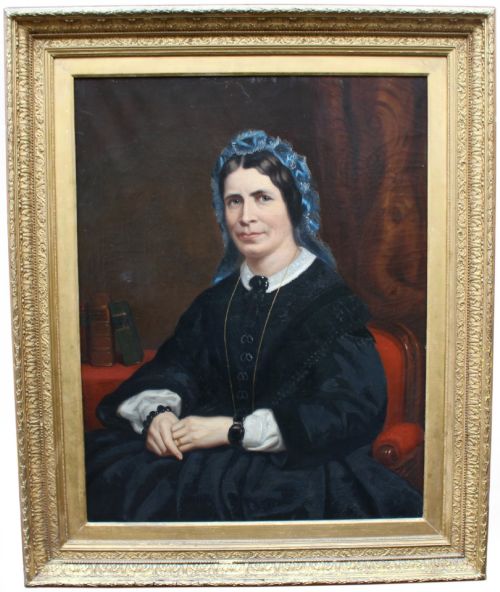
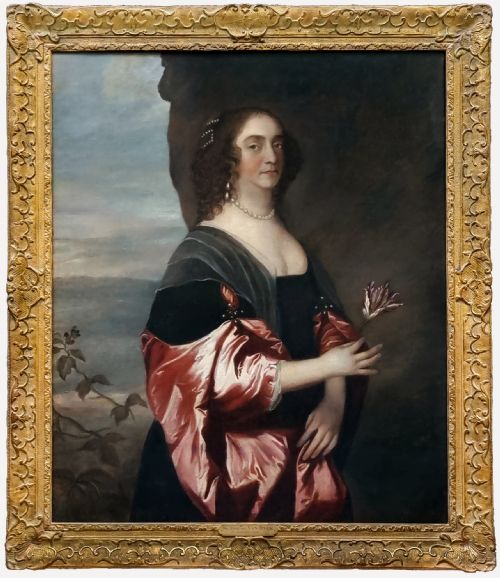
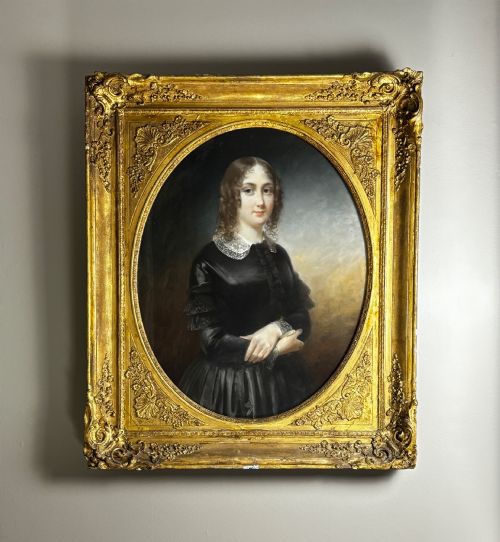
A black dress portrait captures the striking solemnity of sitters dressed in dark attire, ranging from seventeenth-century nobility to Victorian subjects.
Black Dress Portrait
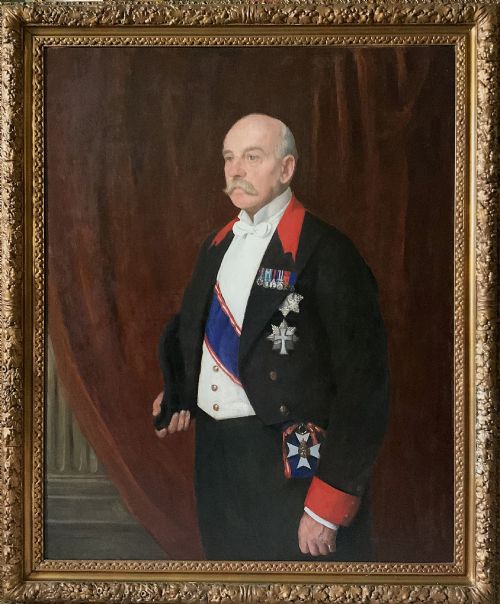
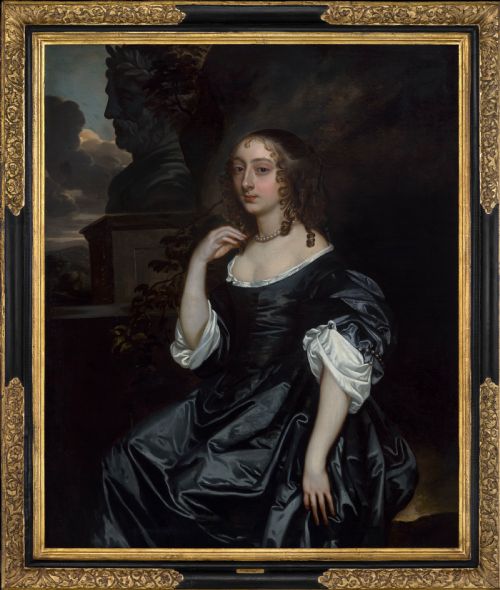
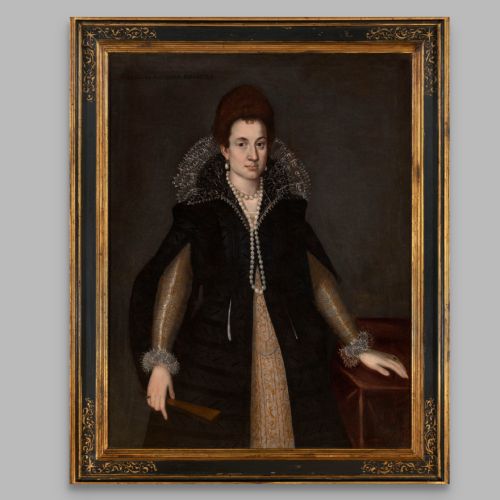
A black dress portrait is a painted representation of an individual wearing dark garments, spanning periods from the seventeenth century through the Victorian era and into the early twentieth century. These works appear primarily as oil paintings on canvas or wood panel, alongside watercolours, silhouettes on glass, and cameo rings.
The selection ranges from seventeenth-century aristocratic depictions featuring intricate lace ruffs and pearls to nineteenth-century and Victorian works portraying women in dark dresses, caps, and shawls. Formats vary from monumental oils to intimate miniature portraits and wall art.
Buyers encountering this phrase will find that seventeenth-century examples and Victorian representations form the core of the available types. Each piece documents historical costume and portraiture traditions across Baroque, Jacobean, and Victorian styles.
Materials and technique
These portraits rely primarily on oil paint applied to canvas or wood panels, often set within decorative gold leaf or gilt frames. Artists built up dark fabrics using layered pigments to capture the weight and texture of velvet, satin, and wool.
Early works utilise wood panels or cradled panels as a rigid support for oil pigments, while later pieces predominantly employ stretched canvas. Miniatures on paper or glass and watercolour on paper represent alternative techniques found within the collection.
The collection includes works attributed to the circles of Sir Peter Lely and Cornelius Johnson, alongside Victorian folk-art pieces and Regency silhouettes.
Assessing quality
The preservation of the original canvas, panel, and gilt frame influences the standing of a piece. Finer examples maintain their original surface integrity, whereas restored canvases or panels reflect the physical history of the object over centuries.
Sir Peter Lely·Cornelius Johnson·Georges Goursat·John Raphael Smith·Louis Joseph Pottin
The Black Dress Portrait Glossary
- Oil on canvas
- A painting technique where oil-based pigments are applied to a woven fabric support stretched across a wooden frame. This method allows for subtle blending of dark tones and rich colour depth.
- Wood panel
- A rigid support substrate utilised for early paintings before canvas became standard. Panels provide a stable surface that preserves fine details in historic portraits.
- Gold leaf
- Hammered gold beaten into extremely thin sheets used to gild picture frames. It enhances the visual presentation of historic artwork.
- Silhouette
- A profile portrait filled in with a solid dark colour, sometimes painted on glass. This minimalist form relies entirely on outline and contour.
Black Dress Portrait: Frequently Asked Questions
What periods do these portraits cover?
The selection spans from the seventeenth century through the Georgian and Regency eras into the Victorian period and the early twentieth century. This timeline encompasses Jacobean, Baroque, and Edwardian aesthetic movements.
Earlier pieces often feature aristocratic sitters in elaborate attire, while later Victorian works capture everyday subjects and family members in more subdued black garments.
How were these portraits displayed historically?
Historic portraits were typically hung in reception rooms, galleries, and private chambers to display lineage, status, or familial connection. Large oil paintings commanded prominent wall space in ancestral homes.
Smaller miniatures and silhouettes were kept in personal spaces, carried on the person, or displayed in domestic settings as intimate tokens of remembrance.
How should I care for an antique oil painting?
Antique oil paintings require stable environmental conditions away from direct sunlight, extreme temperature fluctuations, and high humidity. Maintaining consistent indoor humidity helps prevent the canvas or wood panel from warping.
Dusting should be performed gently with a soft, dry brush, avoiding any chemical cleaning agents or moisture on the painted surface or gilt frame.
How do I identify a Victorian portrait from earlier works?
Victorian portraits often feature sitters in mid to late nineteenth-century dress, such as lace caps, shawls, and structured dark gowns. The clothing and hair styling provide immediate clues to the decade of execution.
Earlier seventeenth-century pieces display distinct costume elements like ruffs, stiff collars, and heavy jewellery, alongside different canvas textures and framing styles.