


Black Dress Portrait Painting
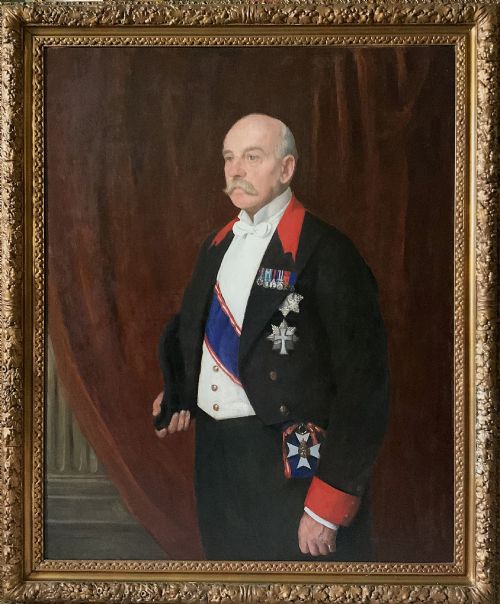
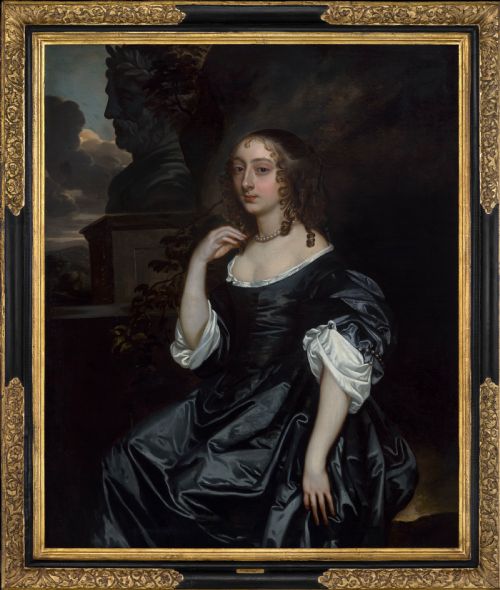
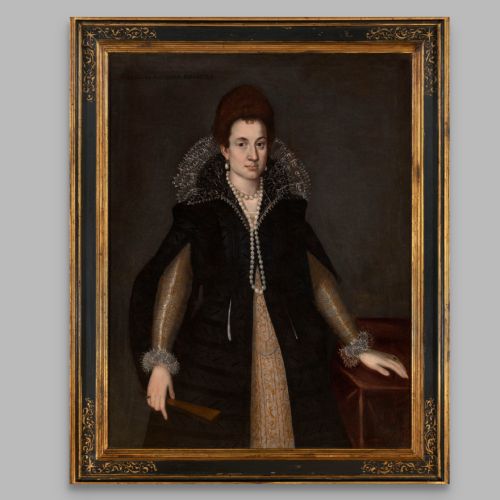
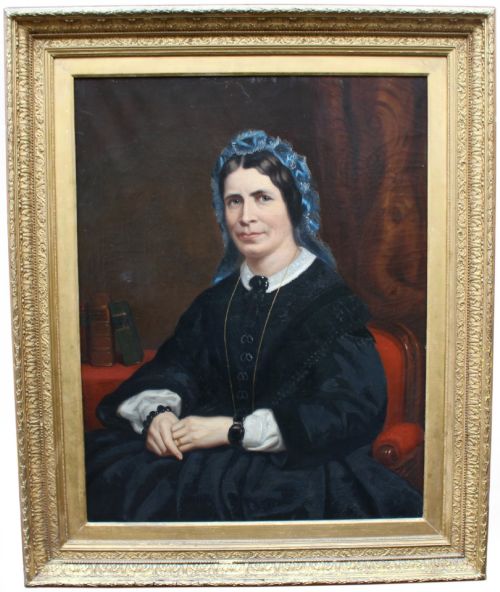
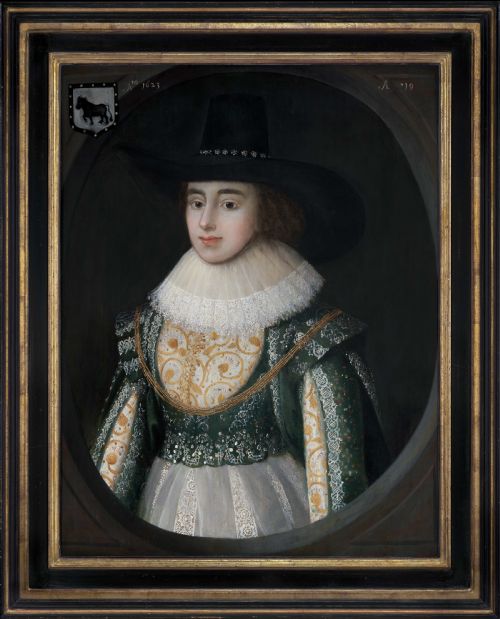
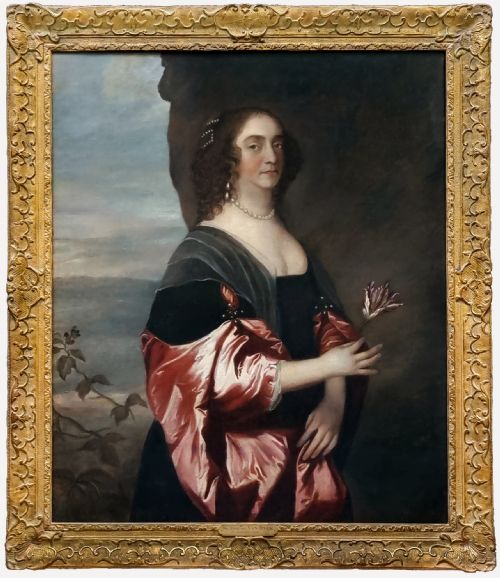
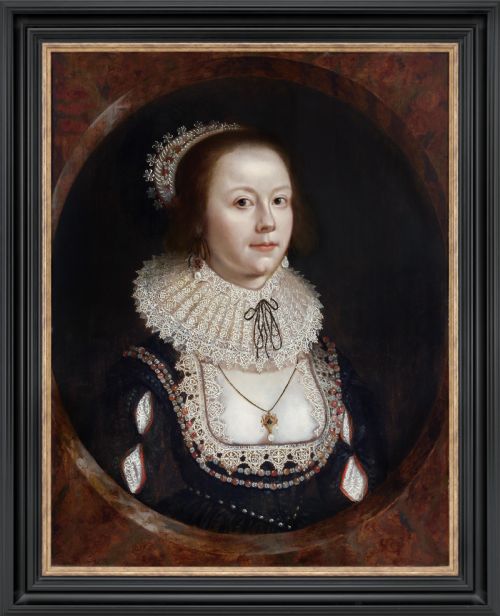
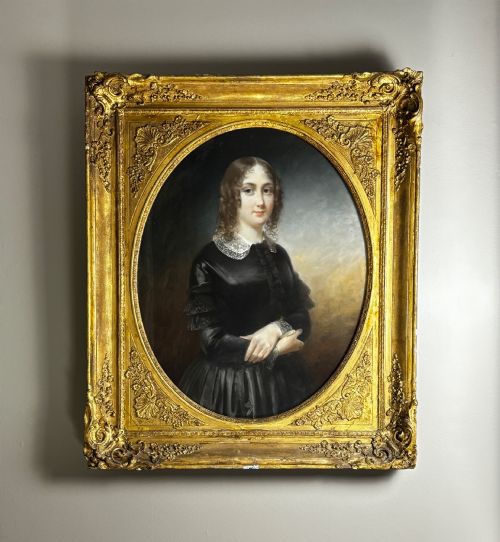
These black dress portrait painting works capture sitters from the seventeenth to the early twentieth century rendered in oil and water-based media.
Black Dress Portrait Painting
A black dress portrait painting depicts notable figures, gentlefolk and children dressed in sombre or opulent black garments. These works span from seventeenth-century panels to nineteenth-century canvases and later Victorian folk art.
Buyers will encounter seventeenth-century oils on canvas and panel alongside nineteenth-century depictions of women in lace caps and shawls. The selection includes full-scale oils in gilt frames and smaller painted silhouettes on glass.
Judging the work
The survival of original panels, stretchers and period gilt frames contributes significantly to the integrity of the piece.
Black Dress Portrait Painting Retail Price Guide 2026
Typical asking prices for black dress portrait painting among the pieces listed under this phrase on Sellingantiques today, from the lower quarter to the upper quarter. They describe what is for sale here now, not the wider market.
Several ladies in these dark gowns appear to be glaring at the painter with extreme suspicion.
Sir Peter Lely·Cornelius Johnson·W.R. Waters·Georges Goursat·Eden Upton Eddis·John Raphael Smith·Cornelis van der Voort·Walter Emsley
The Black Dress Portrait Painting Glossary
- Oil on canvas
- Pigments bound in a drying oil applied to a woven fabric support. This surface allows for rich layering and depth in dark garments.
- Oil on panel
- Paint applied directly to a prepared wooden board. This support is common in earlier seventeenth-century works.
- Reverse glass painting
- An image painted directly onto the back of a glass panel to be viewed from the front. This technique produces a distinct glossy finish.
- Gilt frame
- A wooden moulding coated with gold leaf or metallic paint. These frames enhance the visual weight of the artwork.
Black Dress Portrait Painting: Frequently Asked Questions
How do I date a black dress portrait painting?
Dating relies on the cut of the sitter's clothing, collar styles such as lace ruffs, and the preparation of the canvas or wood panel. Seventeenth-century examples often feature rigid collars and panel supports, while nineteenth-century works show softer shawls and caps.
Examining archival records or inscriptions on the reverse of the frame can also provide clues regarding the sitter and the artist's active period.
Where were these paintings displayed originally?
These portraits hung in country houses, civic chambers and private drawing rooms as records of lineage and status. Dark attire often denoted mourning, high social standing or religious piety depending on the decade.
Today, they suit traditional studies or living spaces where period gilt frames complement historic interiors.
How should I care for an antique oil painting?
Keep the artwork away from direct sunlight and dramatic shifts in temperature or humidity. These precautions protect the canvas, wood panel and oil layers from cracking.
Dust the surface gently with a soft, dry brush and avoid applying liquid cleaners to the paint or the gilt frame.
What is the difference between canvas and panel works?
Canvas supports are flexible textiles stretched over wooden frames, which became dominant from the seventeenth century onward. Wood panels offer a rigid surface favoured by earlier portrait painters.
Both materials require stable environmental conditions to prevent warping or canvas slackening over time.