



Black Dog Print
These black dog print selections bring together centuries of canine portraiture in paper, ink, and pastel.
Black Dog Print
A black dog print encompasses framed artwork, engravings, and original etchings depicting canine subjects across various eras. Collectors seeking a black dog print will find works spanning the Georgian period through to the mid-twentieth century.
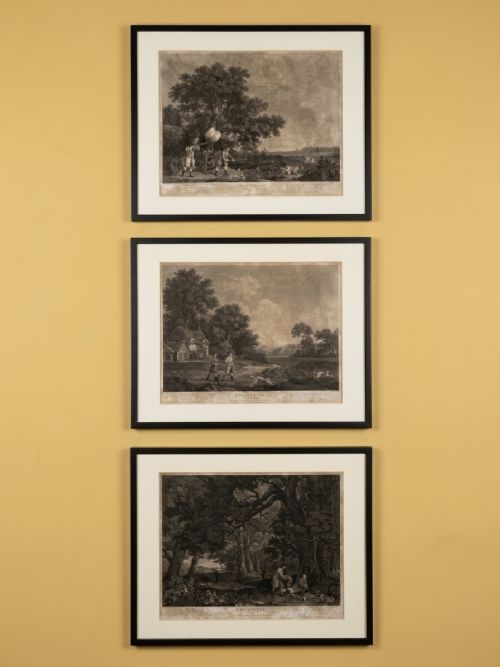
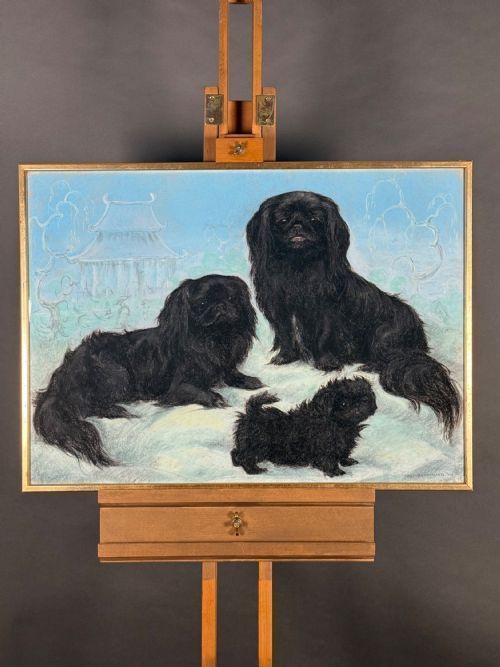
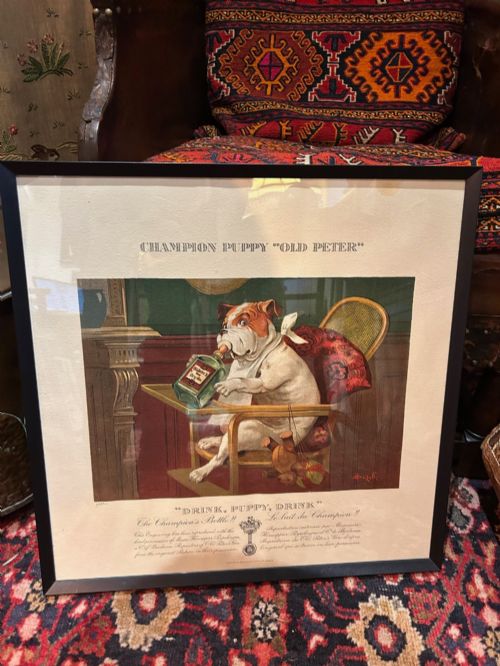
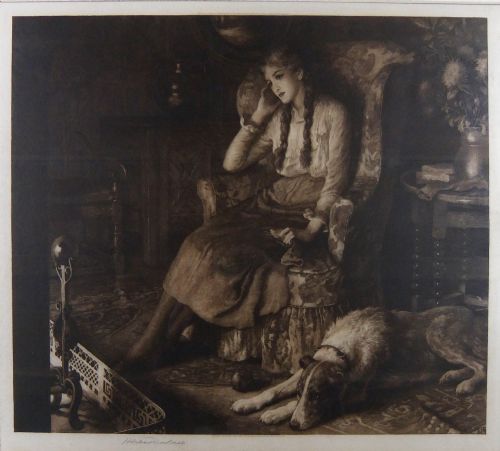
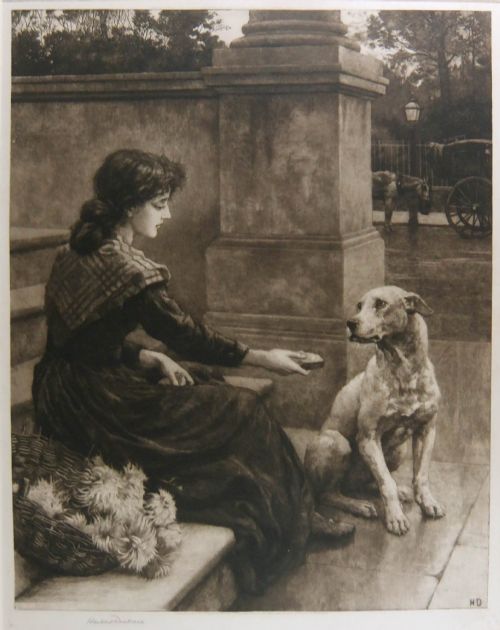
The selection ranges from detailed nineteenth-century engravings after George Morland to early twentieth-century drypoint etchings by Herbert Dicksee. Mediums extend beyond simple prints to include pastel drawings and watercolours framed in wood and giltwood.
Materials and techniques
Works in this category rely heavily on paper supports combined with ink, pastel, or watercolour. Etchings and engravings utilise metal plates to transfer fine lines onto the paper.
Framing materials such as wood and giltwood support and protect the paper works, often accompanied by glass. Gold leaf accents occasionally appear within the framing to complement the artwork.
Black Dog Print Retail Price Guide 2026
Typical asking prices for black dog print among the pieces listed under this phrase on Sellingantiques today, from the lower quarter to the upper quarter. They describe what is for sale here now, not the wider market.
Materials across these listings include paper, ink, glass, wood, pastel, giltwood, watercolour, and gold leaf.
Assessing quality and execution
Quality in these works rests upon the precision of the plate impression in etchings and engravings, or the handling of pigment in pastels and watercolours. Stronger impressions reveal sharper details in the dog's coat and expression.
The condition of the paper and the integrity of the original frame contribute significantly to the overall merit of the piece. Well-preserved works maintain their contrast and paper tone without excessive fading.
William Woollett·George Stubbs·Marcellin Auzolle·Herbert Dicksee·Mabel Gear·G Morland·Sonia Lawson R.A.
The Black Dog Print Glossary
- Etching
- A printmaking technique where lines are bitten into a metal plate with acid before being inked and pressed onto paper. This method allows for fine, delicate tonal variations.
- Drypoint
- A printmaking process where an artist scratches directly into a metal plate with a sharp needle, producing a characteristically soft, velvety line when printed.
- Engraving
- A method of cutting design lines directly into a metal plate using a burin tool. This technique results in crisp, precise lines ideal for detailed illustration.
- Giltwood
- Wood that has been treated with a thin layer of gold leaf or gilt paint. It frequently appears on traditional picture frames from the Georgian and Victorian eras.
Black Dog Print: Frequently Asked Questions
What periods do these dog prints cover?
The available works span several centuries, beginning with eighteenth-century engravings and extending through Victorian and Edwardian pieces. Later examples reach into the mid-twentieth century.
This broad timeline incorporates stylistic shifts from formal sporting art to realist and patriotic twentieth-century compositions.
Are these works original prints?
Many listings comprise original drypoint etchings and hand-coloured works created directly by the artist. Others include period engravings produced after original paintings by notable artists.
Each listing details the specific medium used, distinguishing between printed multiples and unique watercolour or pastel drawings.
How should I frame and display them?
These works are typically housed in period wood or giltwood frames protected by glass. To preserve the paper and medium, display them away from direct sunlight and excessive moisture.
Keeping the original framing intact helps maintain the historical context of the piece.