



Black Coat Portrait Painting
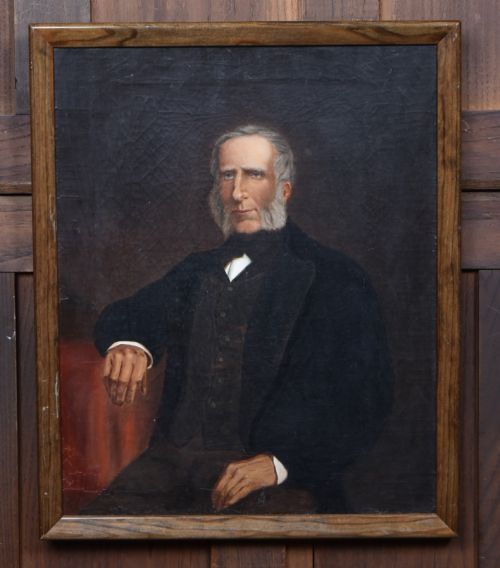
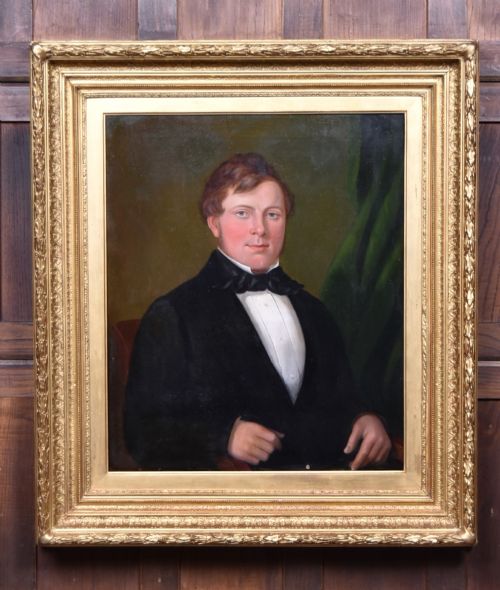
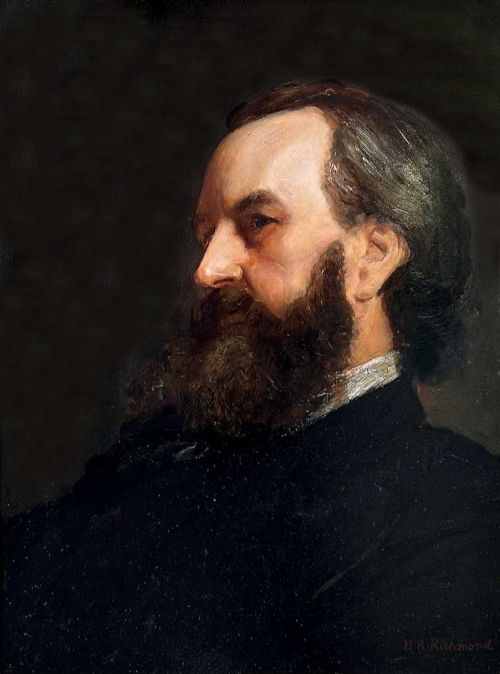
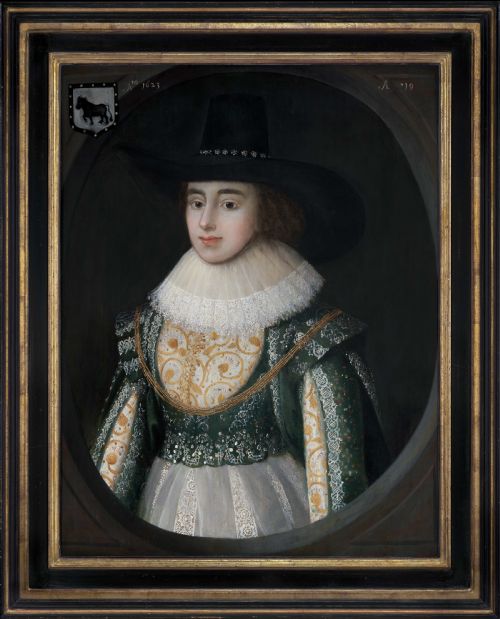
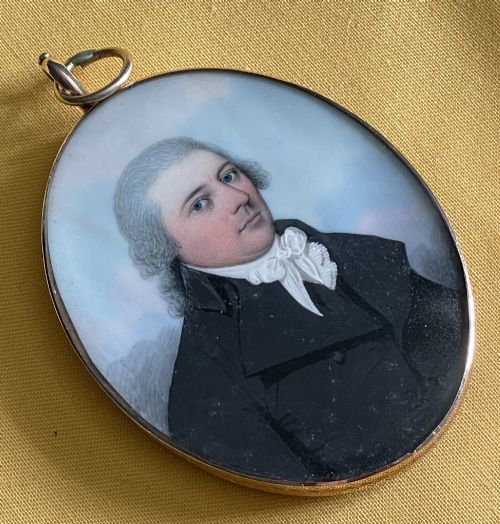
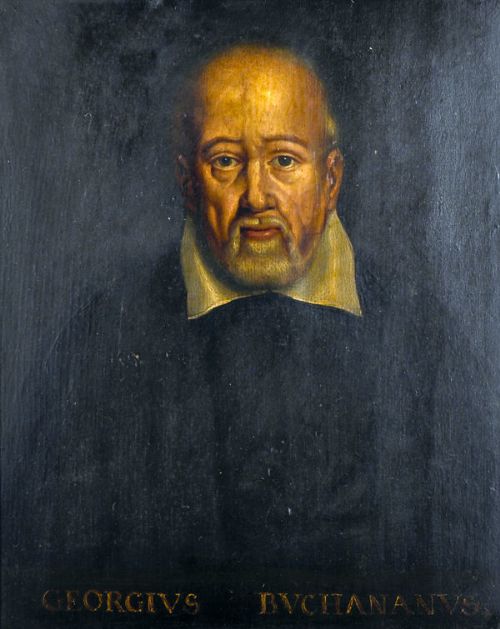
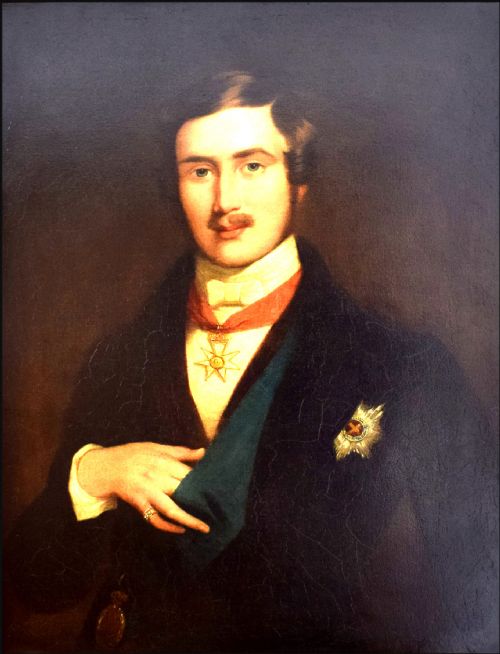
These black coat portrait painting examples capture recognisable sitters and unknown gentlemen across centuries of oil and glass.
Black Coat Portrait Painting
A black coat portrait painting depicts subjects ranging from Victorian gentlemen to Jacobean nobility, captured across the sixteenth to nineteenth centuries. The majority of pieces on this page appear as nineteenth-century oil on canvas works, alongside earlier seventeenth-century panels and eighteenth-century naive representations.
Buyers encounter oil paintings and portrait miniatures executed in styles spanning Georgian folk art, Victorian realism, and Northern Renaissance traditions. Subjects include clergymen, statesmen, and aristocrats rendered with varying degrees of formality.
The assortment extends from large canvas portraits to smaller reverse glass pictures and miniatures. Each piece records historical dress and societal standing through the medium of oil paint and wood panel.
Materials and Techniques
Artists painted these works primarily using oil paint on stretched canvas or wooden panels, applying layers to build depth in the dark garments. Gold leaf occasionally accents frames or details within the compositions.
Techniques vary from the fine detail of portrait miniatures to the bolder strokes of nineteenth-century English school oils. Reverse glass painting offers a distinct alternative method, fixing pigments directly beneath a glass sheet.
Several gentlemen in these portraits wear expressions suggesting they expected the sitting to conclude much sooner.
Judging Quality
The fidelity of facial expression and the skilful handling of dark fabrics distinguish superior works from simpler naive efforts. Master painters achieve luminosity in black coats through subtle tonal gradations rather than flat black pigment.
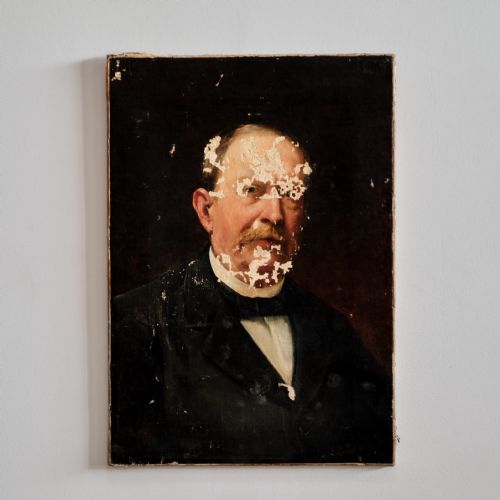
Condition plays a role, as distressed canvases or overpainted panels alter the original impact of the portrait. The precision of the brushwork and the anatomical accuracy of the sitter reveal the hand of a trained academic painter versus a provincial artisan.
William Blake Richmond·Cornelius Johnson·Frederick Buck·Alan Ramsay·Rudolph Lehmann·Frans Pourbus the Elder·Sir William Charles Ross·Robrt Ker Porter
The Black Coat Portrait Painting Glossary
- Oil on canvas
- Pigments bound in a drying oil applied to a woven fabric support stretched over a wooden frame. This method became standard for Western portraiture from the Renaissance onwards.
- Panel painting
- Artwork executed on a flat piece of wood rather than canvas. Earlier works frequently utilise sturdy wooden boards.
- Reverse glass painting
- A technique where the artist paints directly onto the back side of a glass sheet, viewed from the front. This creates a glossy, protected surface finish.
- Portrait miniature
- A small, highly detailed painting designed for intimate viewing or portable display. These works require steady precision using fine brushes.
Black Coat Portrait Painting: Frequently Asked Questions
How do I identify the period of a portrait?
Examine the style of clothing, collar shapes, and wig or hair fashions worn by the sitter, which shift noticeably between the seventeenth and nineteenth centuries. Canvas preparation, stretcher frame construction, and panel types also offer clues to the date of execution.
Compare the handling of paint and the framing style with known examples from specific movements like the Northern Renaissance or Victorian realism.
What is a reverse glass picture?
A reverse glass picture is created by painting the image backwards on the rear surface of a glass plate so it appears correctly when viewed from the front. This technique produces a distinct reflective sheen that differs from traditional canvas.
These pieces were popular for small decorative portraits and folk art prints during the Georgian period.
How should I display an oil painting at home?
Keep oil paintings away from direct sunlight and fluctuating heat sources to prevent the canvas or wood panel from warping and the oil paint from cracking. Stable indoor humidity preserves both the structural integrity of the support and the pigment layers.
Hang works securely using appropriate wall fixings suited to the weight of the frame and canvas.