
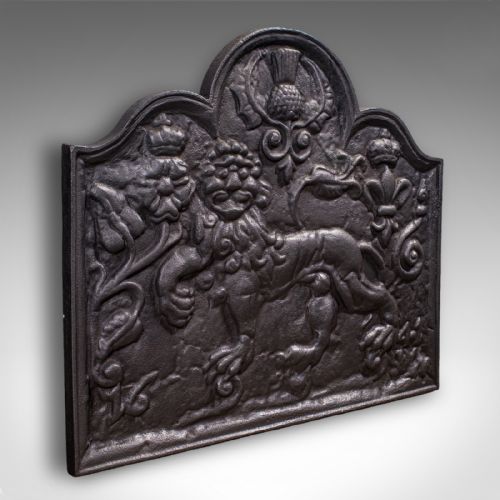


Black Cast Iron Plate
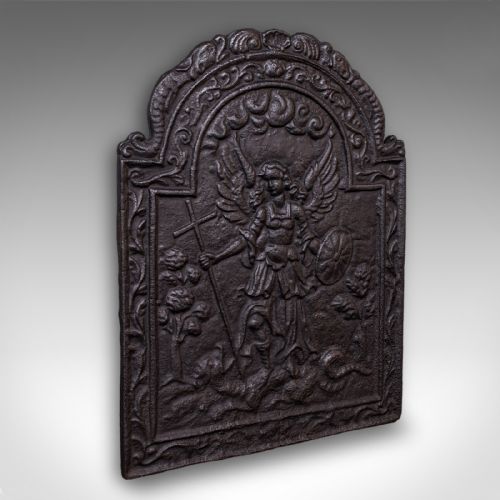
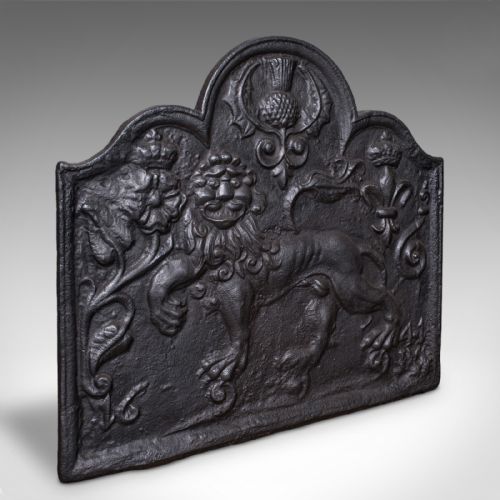
These heavy black cast iron plate items are principally heavy firebacks and architectural plaques designed to hold hearth heat or mark a space.
Black Cast Iron Plate
When you search for a black cast iron plate, you find utilitarian and decorative metalwork spanning the Georgian, Victorian, and twentieth-century periods. The most common form on this page is the English fireplace reflector, often called a fire back, which sits at the back of a hearth to radiate warmth into the room.
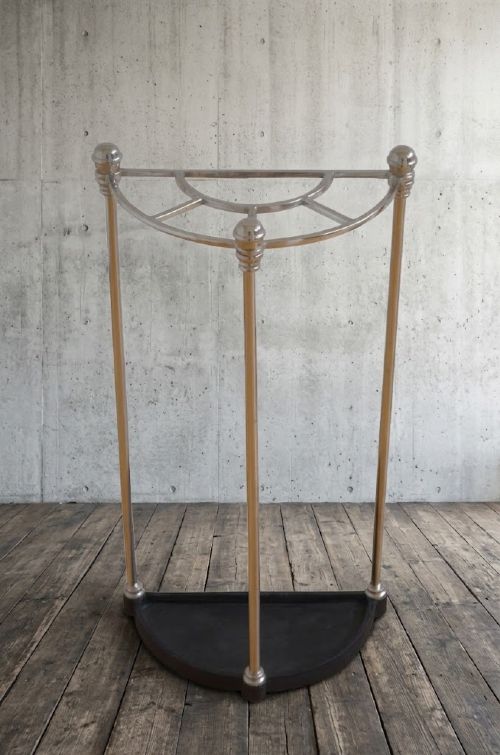
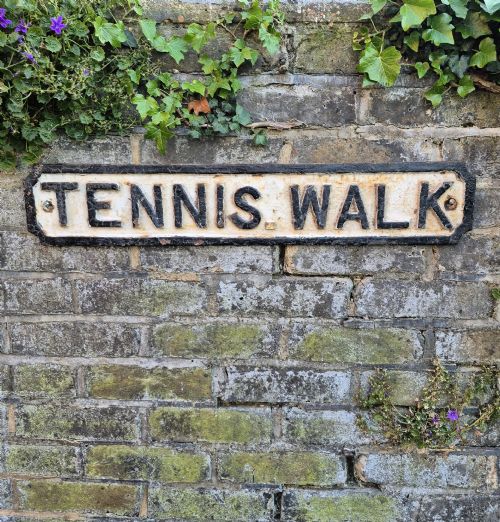
Beyond hearth furniture, the selection includes umbrella stands with tubular metal divisions, painted locomotive signs, and street signs alongside decorative wall plaques. These pieces range from Neoclassical Revival and Victorian Gothic designs to 1920s British Industrial items and Imperial Russian pierced chargers.
How they were made
The primary material is cast iron, poured into moulds to create deep relief decoration and structural strength for heavy hearth use. Some items incorporate supplementary materials such as nickel plating, paint, cast brass, and tubular metal frames.
Moulds for these plates often featured heraldic motifs, mythological scenes like armour and eagles, or botanical subjects such as the Tree of Life. Surface finishes vary from simple painted layers to polished nickel plates applied over the base metal.
Materials recorded across the selection include cast iron, paint, nickel plating, tubular metal, and cast brass.
What varies in quality
Quality in these cast iron pieces rests on the crispness of the relief casting and the depth of the modelled details. Earlier Georgian and Victorian examples display sharply defined moulding in subjects such as heraldry and neoclassical motifs.
The weight of the plate and the integrity of the original casting indicate the piece's intended function, distinguishing heavy hearth furniture from lighter decorative plaques. Surface preservation, whether in painted finishes or nickel plating, also shapes the character of the object.
The Black Cast Iron Plate Glossary
- Fire back
- A heavy iron plate placed at the rear of an open fireplace to protect the masonry and reflect heat forward into the room.
- Relief
- Sculptural projection from a flat background surface, commonly utilised on these plates to depict heraldry and figurative scenes.
- Charger
- A large decorative plate or plaque, often pierced or ornamented for display rather than utility.
- Demi-lune
- A half-moon shape, seen here in the footprint and frame of umbrella stands.
- Carolean Revival
- A nineteenth-century style drawing inspiration from the ornate furnishings of the mid seventeenth century.
Black Cast Iron Plate: Frequently Asked Questions
How do I use a fire back?
A fire back stands upright against the rear brickwork of an open hearth. It absorbs heat from the fire during use and radiates that warmth outward long after the flames die down.
Positioning the plate properly also protects the vulnerable masonry at the back of the fireplace from direct, intense heat damage over decades of burning wood or coal.
Are these plates meant for outdoors?
Most of these cast iron items were designed for interior use, particularly around hearths, or within sheltered architectural settings like hallways and stations. Placing them outdoors exposes the iron to moisture, which causes pitting and active oxidation.
If kept inside, the metal requires minimal intervention beyond occasional dusting to preserve any painted or plated surfaces.
How do I date a cast iron plate?
Dating relies upon stylistic clues within the casting, such as Victorian Gothic, Neoclassical Revival, or Art Deco design vocabulary. The nature of the lettering, the depth of the relief work, and recorded manufacturing periods provide further chronological markers.
Many pieces bear stylistic markers typical of nineteenth-century revivalism or early twentieth-century industrial production.