



Antique Iron Wall Plaque
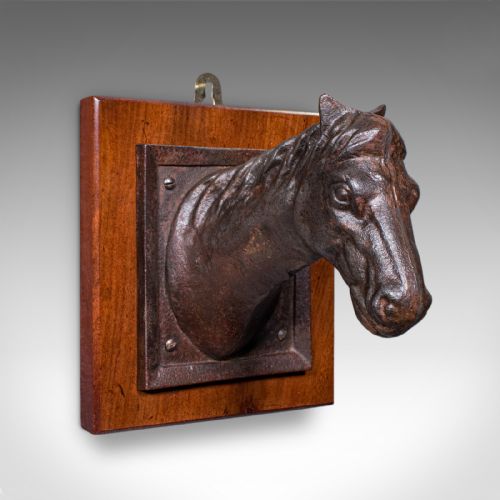
These antique iron wall plaque selections bring heavy industrial character and heraldic weight to your interior spaces.
Antique Iron Wall Plaque
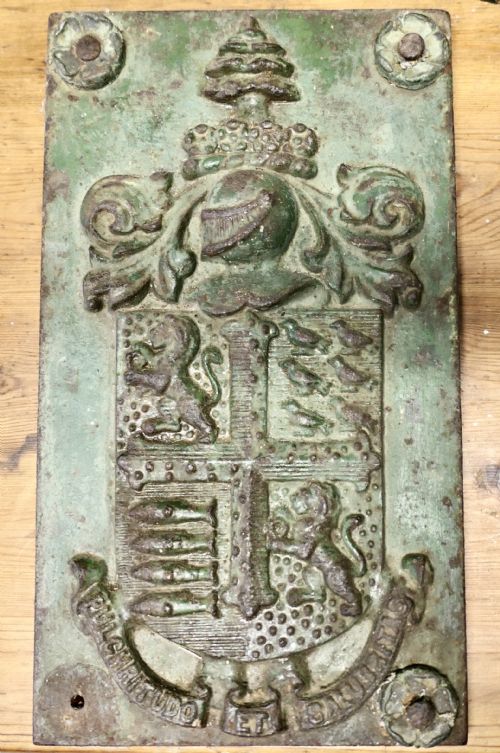
When you search for an antique iron wall plaque, you encounter a diverse group of heavy architectural items, railway signs, and armorial castings. These pieces span the Georgian, Victorian, and Edwardian eras, alongside early twentieth-century industrial examples.
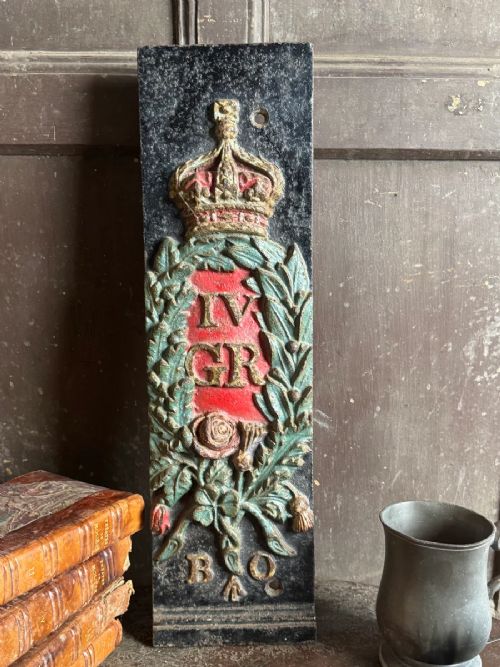
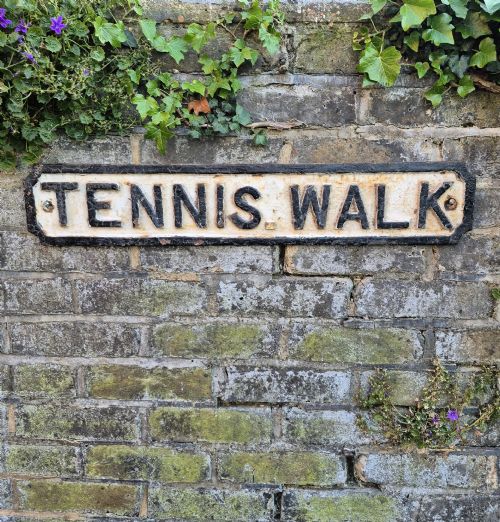
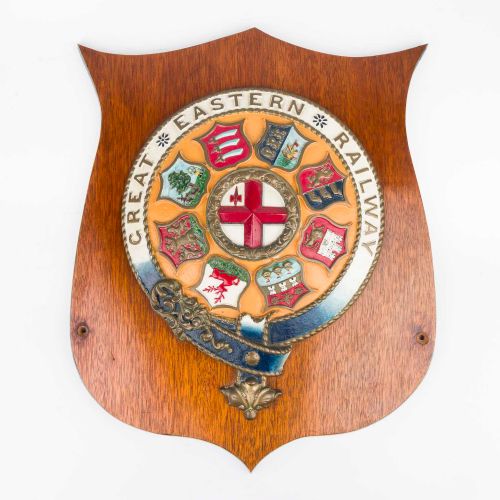
The selection on this page relies heavily on cast iron and sheet iron forms, ranging from street names and railway notices to detailed portrait plaques and royal coats of arms.
Collectors find everything from utilitarian trade signs to decorative architectural salvage, representing both British and continental workshops.
Materials and Techniques
The majority of these pieces utilise cast iron or sheet iron, often shaped through sand casting or metal beating to create durable outdoor and indoor notices.
Many examples feature applied paint, enamel, or gold leaf to highlight lettering, coats of arms, and pictorial details against the dark metal surface.
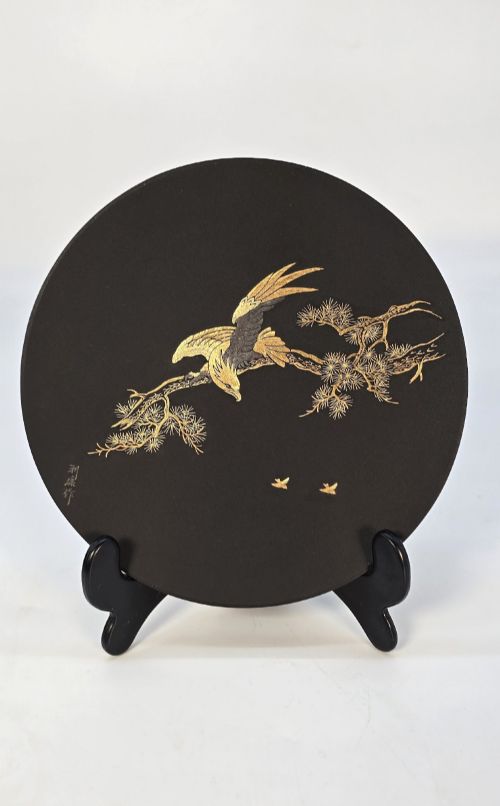
Certain fine items incorporate specialised finishes, such as patination or precious metal inlay on Japanese ironwork, showing a high degree of metalworking skill.
Palethorps sausage advertisements sit surprisingly alongside Shakespeare and Rubens portrait plaques in the cast iron pantheon.
Assessing Quality
The distinction between ordinary utility castings and superior pieces lies in the crispness of the lettering and the depth of the relief work. Finely detailed armorial bearings and crisp foundry marks separate exceptional plaques from standard industrial output.
Surface preservation also dictates quality, where original painted finishes, genuine enamel layers, or well-maintained patination retain historical integrity better than crude overpainting.
Kasli Foundry·J. & H. Keyworth and Co
The Antique Iron Wall Plaque Glossary
- Cast iron
- A hard, relatively brittle alloy of iron and carbon that can be readily cast in a mould, forming the primary material for heavy Victorian plaques and signs.
- Armorial
- Relating to heraldry or a coat of arms, frequently seen on cast iron plaques commissioned for public buildings and railway companies.
- Toleware
- Tin-plated steel or iron objects that have been painted and japanned, represented here by finely painted historic scenes.
- Architectural salvage
- Building elements and decorative fixtures rescued from demolition, including balustrade panels and street signage.
- Enamel
- A glassy substance fused to the surface of sheet iron through firing, commonly used on twentieth-century trade and advertising signs for durability.
Antique Iron Wall Plaque: Frequently Asked Questions
How were cast iron wall plaques originally displayed?
These robust iron plaques were bolted to exterior brickwork, railway carriages, public buildings, and shop fronts to display names, notices, and coats of arms.
Today, interior designers mount them securely onto interior walls using heavy-duty fixings suited to their substantial weight.
How do I identify a Victorian iron plaque?
Victorian examples often display deep relief casting, gothic or serif lettering, and heraldic motifs associated with railways, royalty, or civic bodies.
Examining the rear for sand-casting texture and observing the natural wear on the iron helps confirm the nineteenth-century origin.
Are railway signs made of cast iron?
Many early railway signs and locomotive notices utilise heavy cast iron construction to withstand constant outdoor exposure and vibration.
Later twentieth-century examples sometimes incorporate vitreous enamel on sheet metal for lighter, brighter public notices.
Can these heavy iron plaques go outside?
Most of these pieces were originally manufactured for outdoor use on streets, stations, and buildings, making them naturally weather-resistant.
However, historic painted or gilded surfaces benefit from sheltered outdoor placement or indoor display to prevent further oxidation.