

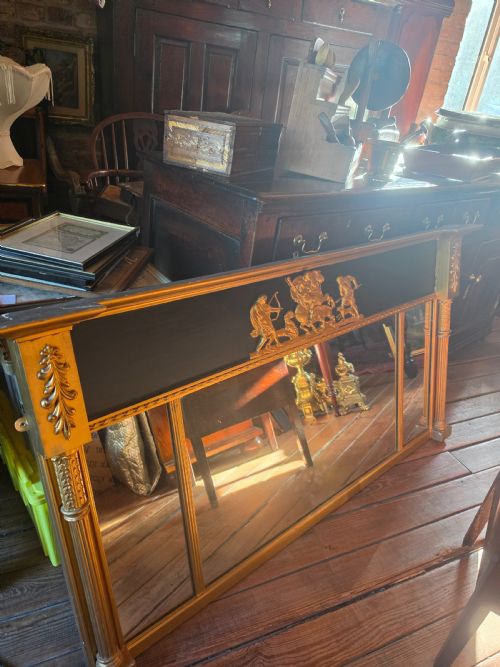
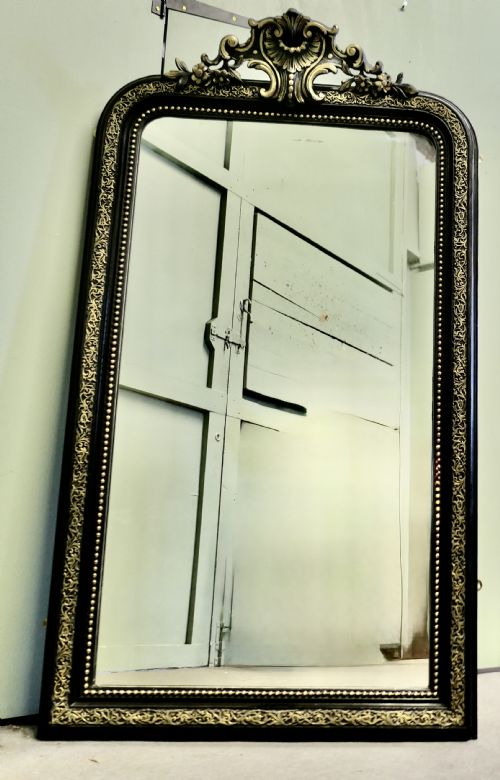
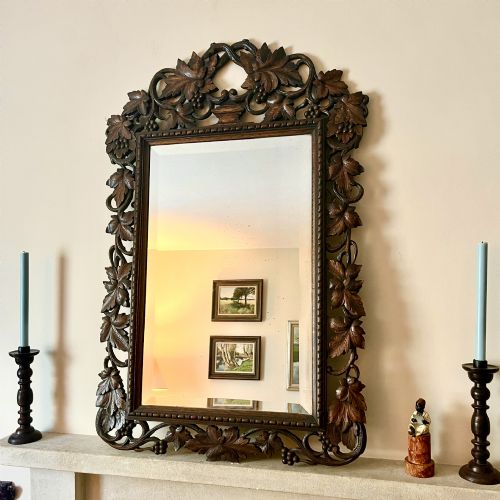
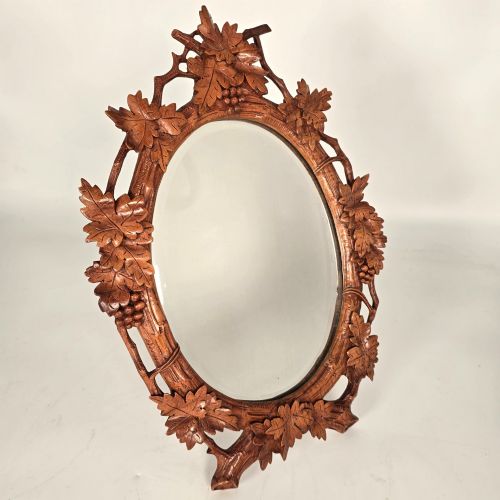
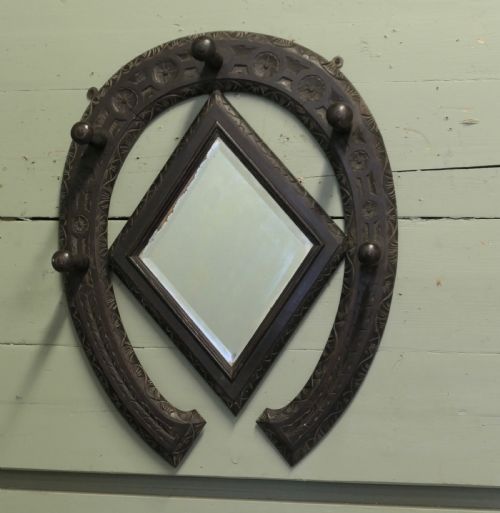


Black Carved Mirror
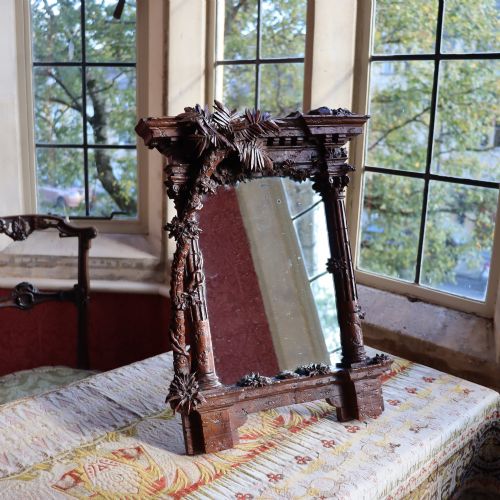
When you search for a black carved mirror, you uncover dark, sculptural frames shaped by Victorian artisans and continental woodcarvers.
Black Carved Mirror
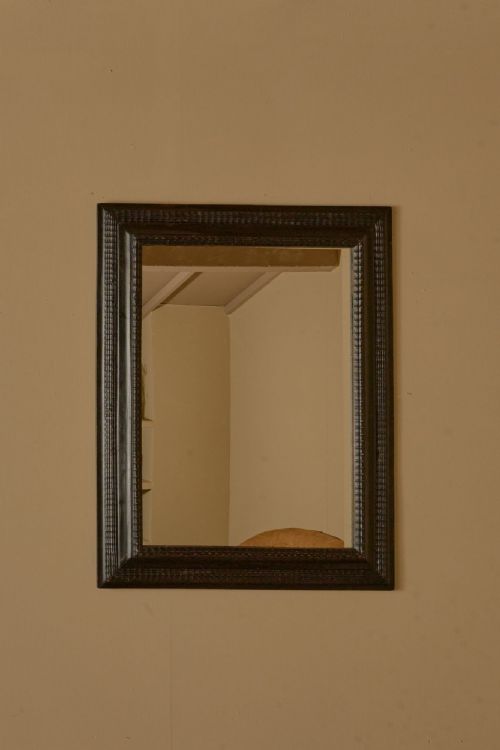
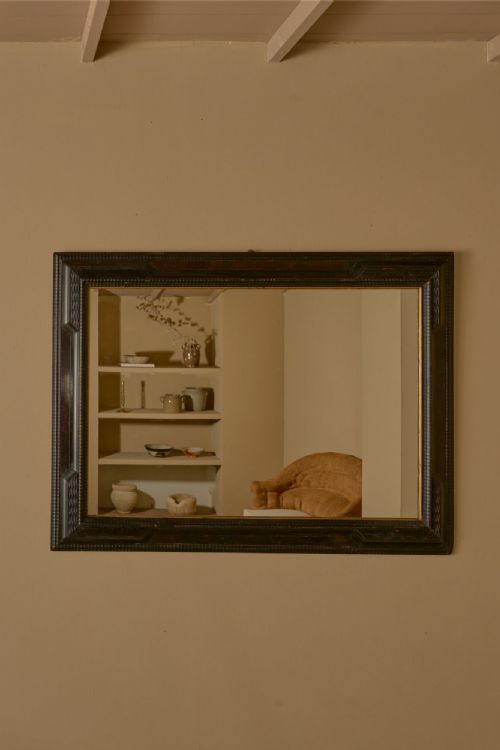
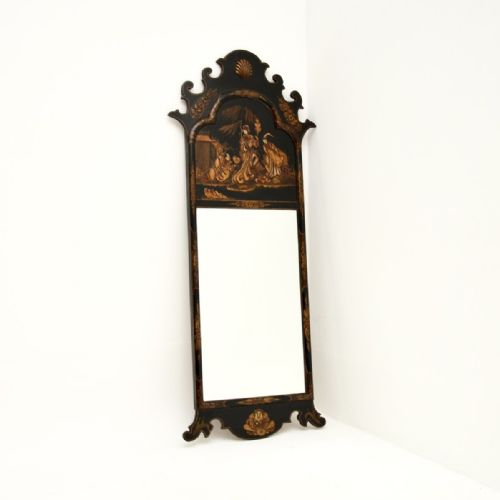
A black carved mirror brings heavy texture and dark tones to interior walls through sculpted wood and ornate framing. The search phrase covers an array of forms, from large overmantels designed for nineteenth-century reception rooms to compact table mirrors intended for dressing furniture.
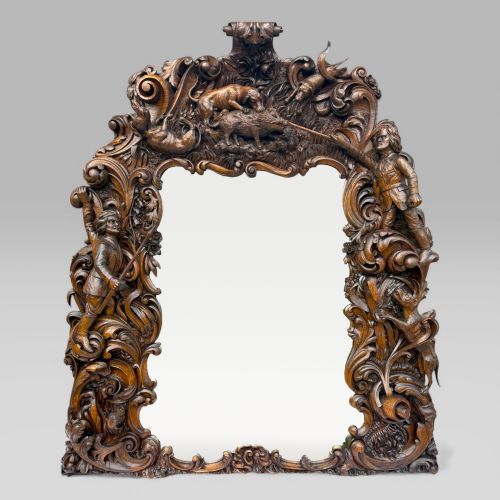
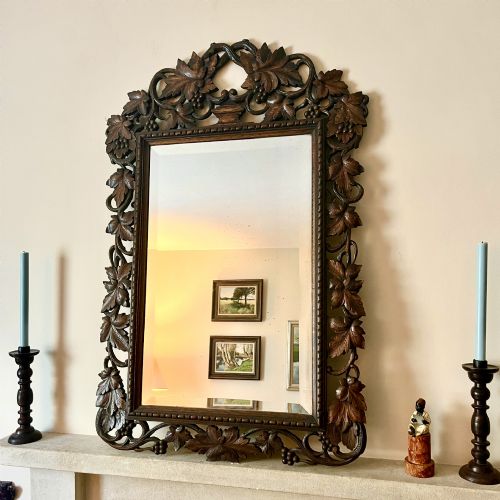
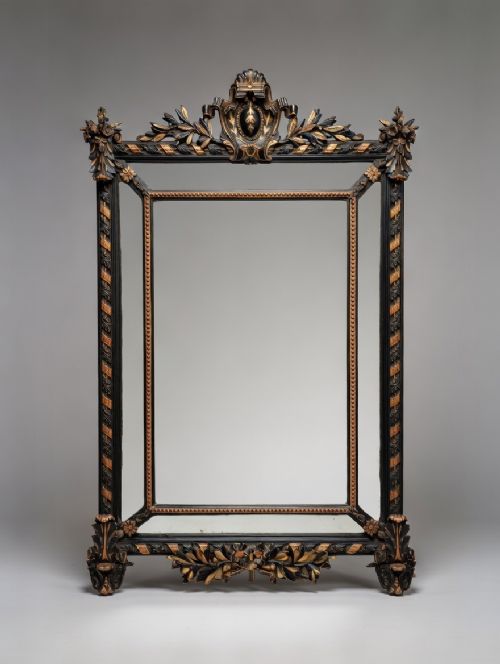
Most examples encountered on this page stem from the nineteenth century, including pieces reflecting the Black Forest style, the Aesthetic Movement, and Gothic Revival tastes. These items often combine deep sculptural relief with dark ebonised finishes, parcel-gilt accents, or monochrome painted surfaces.
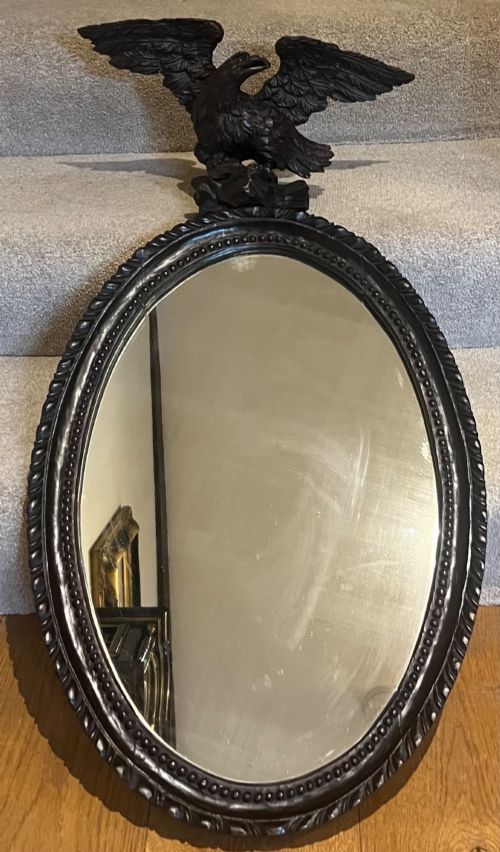
Beyond standard wall hangings, the selection extends to specialised pieces such as coat racks, hall stands, and cushion mirrors featuring carved animals, birds of prey, or classical motifs.
How they were made
Carvers shaped these frames from solid timbers including oak, walnut, and lime wood, utilising chisels and gouges to render intricate foliage, birds, and figures in high relief. Workshops applied gesso over wooden bases to build up smooth contours and sharp mouldings before adding decorative details.
Finishing techniques relied heavily on ebonisation, a chemical process that darkened lighter woods to imitate ebony, frequently paired with gold or silver leaf highlights on raised edges. Mirror glass was set within these rebated frames, often featuring bevelled edges produced by grinding and polishing the plate.
Black Carved Mirror Retail Price Guide 2026
Typical asking prices for black carved mirror among the pieces listed under this phrase on Sellingantiques today, from the lower quarter to the upper quarter. They describe what is for sale here now, not the wider market.
Listings feature oak, walnut, lime wood, gesso, and gold leaf applied across Victorian, Gothic Revival, and Black Forest styles.
What varies in quality
The distinction between ordinary and exceptional work rests on the depth and crispness of the carving itself. Skilled hands produced undercut foliage and expressive animal forms that retain sharp anatomical details, whereas lesser pieces display shallow, generalised cutting with softened edges.
Material preparation and finishing also dictate standard, demonstrated by the smooth application of gesso and the careful placement of leaf metal. Uniform ebonising that preserves the grain of the underlying timber indicates greater care than thick, opaque paint masking poorly prepared surfaces.
The Black Carved Mirror Glossary
- Ebonised
- Wood treated with chemical stains or dark pigments to simulate expensive ebony. This dark finish became popular during the Victorian era for furniture and mirror frames.
- Gesso
- A mixture of binder and chalk applied to wooden frames to create a smooth surface for gilding or painting. It allows carvers to achieve crisp architectural details.
- Black Forest
- A regional style of nineteenth-century woodcarving originating in Switzerland and Germany. These pieces typically feature naturalistic animals, foliage, and deep sculptural relief.
- Overmantel
- A large mirror designed to hang specifically above a fireplace mantelpiece. They often feature horizontal proportions and ornate crestings.
- Parcel-gilt
- A decorative treatment where portions of an object are highlighted with gold leaf while the rest remains dark or painted. This technique accentuates carved motifs against an ebonised ground.
Black Carved Mirror: Frequently Asked Questions
Where should I hang a heavy overmantel mirror?
These large wall mirrors require secure fixing directly into masonry or substantial wall studs to support their substantial weight.
Positioning them above a fireplace or a low console table replicates their original nineteenth-century placement in reception rooms.
How do I care for ebonised wood surfaces?
Dust the carved frame regularly with a soft, dry brush to prevent debris from settling into the deep recesses of the woodwork.
Avoid liquid cleaners and wax polishes that can discolour the dark finish or damage fragile gesso details.
What defines the Black Forest style?
Black Forest pieces are characterised by naturalistic depictions of animals, birds, and foliage carved from solid timber with high relief.
Common motifs include eagles, deer, and sprawling grapevines integrated into the wooden frames.
How can I tell a nineteenth-century mirror from a later copy?
Examine the construction of the wooden backing, the oxidation patterns on the mirror glass, and the hand-cut tool marks within the carving.
Nineteenth-century examples show signs of age in the silvering and use traditional joinery methods rather than modern metal fasteners.