






Black Bronze Desk Sculpture
These black bronze desk sculpture pieces bring desktop weight and historical presence into a room, blending metalwork with functional forms from the nineteenth and twentieth centuries.
Black Bronze Desk Sculpture
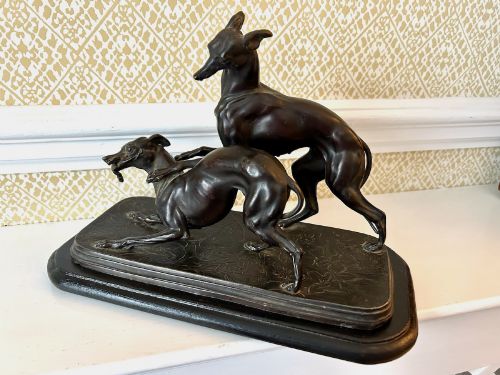
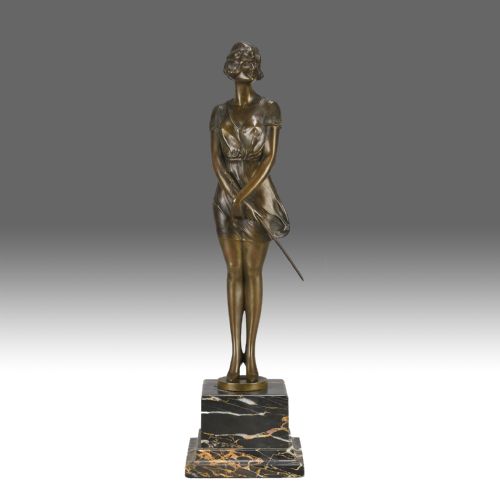
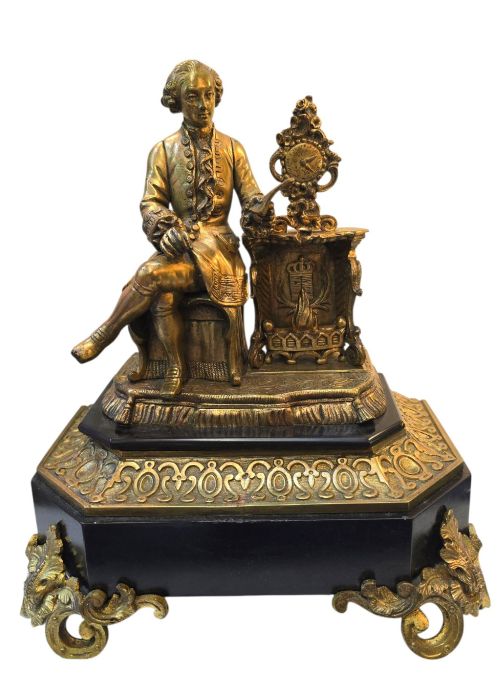
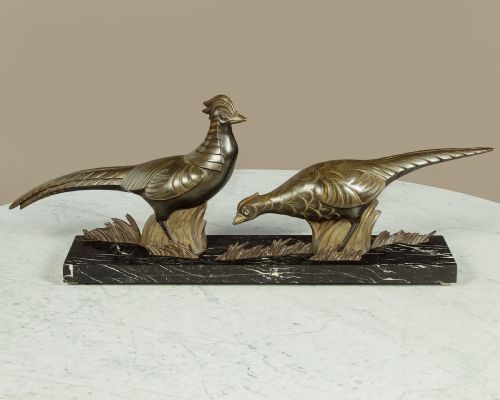
A black bronze desk sculpture functions as a substantial working object or a decorative desktop centrepiece, bringing classical or modernist subjects to an interior. When searching for a black bronze desk sculpture, collectors encounter figures, animals, and architectural models cast in metal and mounted on stone.
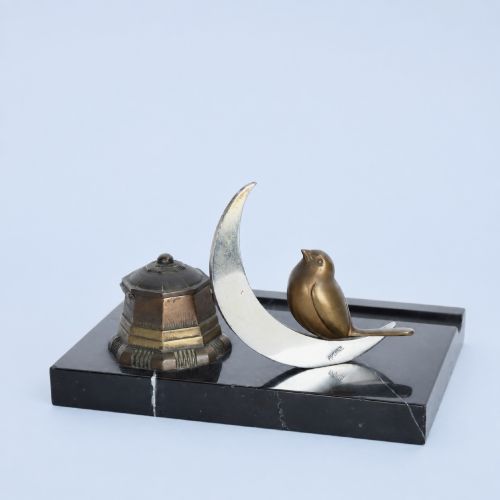
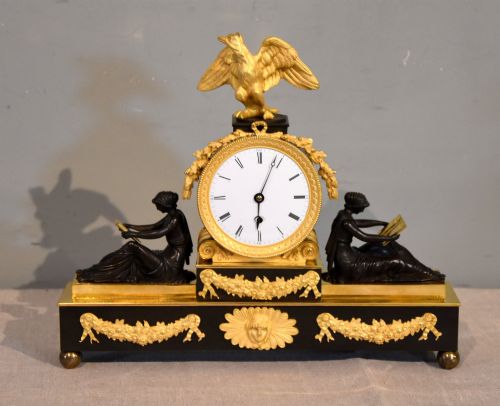
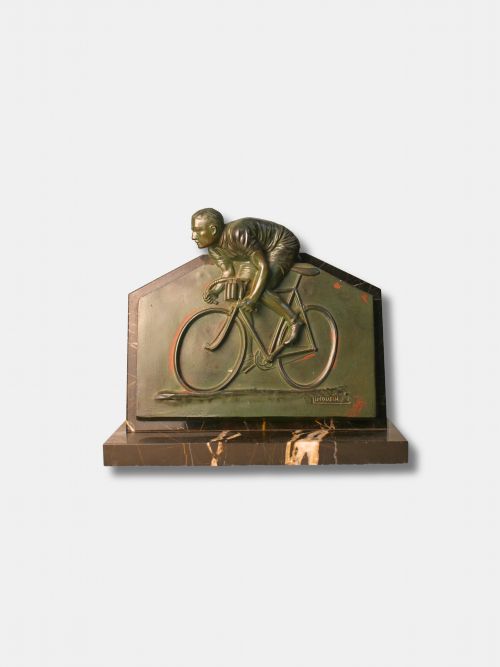
The selections span periods from the Regency era through the nineteenth century and into Art Deco designs of the 1920s and 1930s. Common forms include bookends, paperweights, lamps, ink stands, and small animal studies.
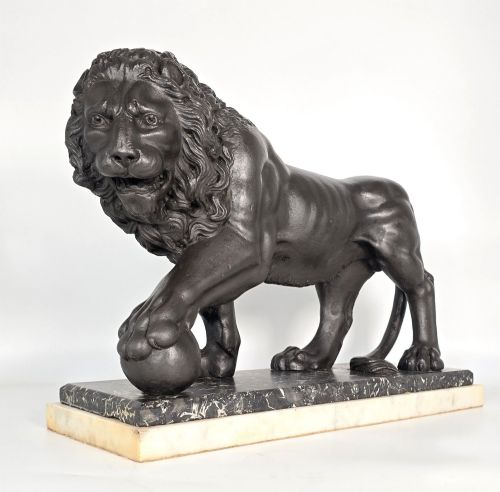
Grand Tour subjects remain prominent, alongside French figural pieces and cold-painted bronze or spelter models. Many examples pair patinated dark metal with contrasting plinths made of marble or onyx.
Materials and casting methods
Foundry work relies primarily on bronze, patinated bronze, and spelter, shaped through traditional casting methods and finished with dark patination. Spelter serves as a more accessible alternative to bronze in many twentieth-century decorative items.
Sculptures and desk accessories are frequently mounted onto heavy stone bases, utilising black marble, veined marble, and onyx to anchor the metal figures securely. Gilding, cold-painting, and brass accents add secondary detail to the primary dark metal surface.
Black Bronze Desk Sculpture Retail Price Guide 2026
Typical asking prices for black bronze desk sculpture among the pieces listed under this phrase on Sellingantiques today, from the lower quarter to the upper quarter. They describe what is for sale here now, not the wider market.
Listings span the Regency period through the nineteenth century to Art Deco designs of the 1930s, utilising bronze, spelter, marble, and onyx.
Distinctions in craftsmanship
The choice and preparation of the mounting stone also indicate quality, with heavy, well-fitted marble and onyx plinths enhancing the balance and physical presence of the desk object. Maker attributions and signed casts command greater attention than unsigned or mass-produced alternatives.
Bruno Zach·Pierre-Augustin Caron de Beaumarchais·Zoldan Kovats·P. Sega
The Black Bronze Desk Sculpture Glossary
- Patinated bronze
- Bronze treated with chemical solutions to produce a specific surface colour, often dark brown or black. This finish protects the metal and defines the contours of the sculpture.
- Spelter
- A zinc alloy commonly utilised as a less costly substitute for bronze in decorative figures and bookends. It accepts bronze-coloured or black finishes effectively.
- Grand Tour
- A nineteenth-century tradition where travellers collected classical and Egyptian antiquities or miniature bronze models of monuments. These souvenirs formed the basis of many desktop collections.
- Cold painted
- A method where paint is applied to a bronze object without heat-firing. This technique appears frequently on nineteenth and twentieth-century animal figures.
- Desk tidy
- A compartmentalised desktop accessory designed to hold small stationery items like nibs, stamps, and paperclips. They often incorporate figural bronze elements or animal bronzes.
Black Bronze Desk Sculpture: Frequently Asked Questions
What is a black bronze desk sculpture used for?
These pieces function as decorative desk accessories, paperweights, bookends, or small Mantel Clocks designed for functional workspaces. They provide both utility and sculptural interest.
Historically, they anchored papers or illuminated writing surfaces while displaying the artistic tastes of the owner through classical or modernist motifs.
How do I identify an Art Deco desk sculpture?
Art Deco examples from the 1920s and 1930s typically feature stylised geometric forms, streamlined animal subjects, and dancers. They often incorporate black marble or onyx bases.
Signatures from makers or foundries on the edge of the metal base help confirm the period of manufacture.
What is the difference between bronze and spelter?
Bronze is a durable copper and tin alloy that takes a deep, stable patination and preserves sharp casting details. Spelter is a zinc-based metal that is lighter and more brittle.
Spelter items often date to the early twentieth century and were finished with dark paint to imitate genuine bronze.
Where did Grand Tour desk sculptures originate?
Grand Tour sculptures were produced in Europe, particularly Italy and France, during the nineteenth century for travellers returning from educational journeys. They replicate famous classical statues, lions, and architectural columns.
Collectors valued them as portable reminders of ancient history and classical architecture.