



Black Base Wooden Table
These black base wooden table items bring together painted, carved, and lacquered surfaces with sturdy timber frames.
Black Base Wooden Table
A black base wooden table spans everyday dining furniture and decorative stands from several centuries. Buyers searching for a black base wooden table will encounter pieces ranging from large pine farmhouse tables to compact occasional and side tables.
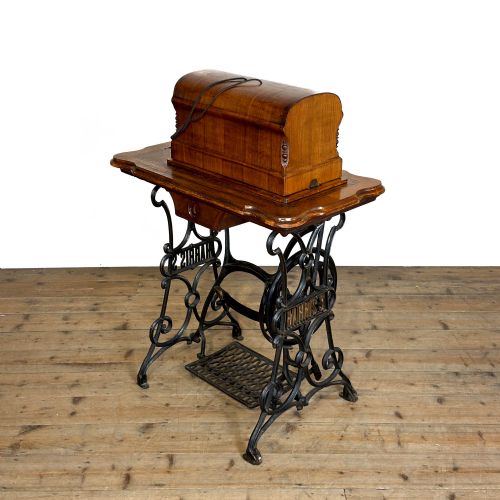
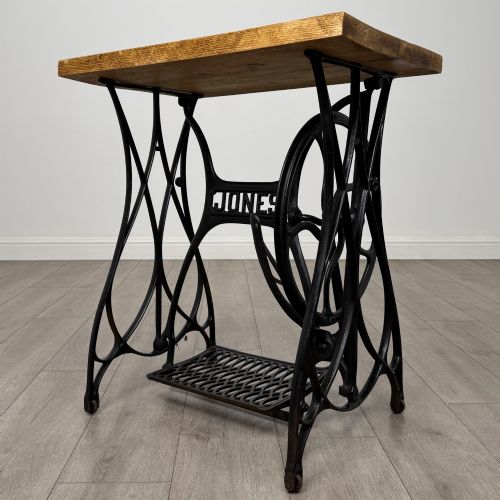
The selection includes specific regional and period pieces such as Edwardian chinoiserie lacquer designs, Victorian cast iron scroll work supports, and Scandinavian country folding tables. Dresser bases and plant stands also appear alongside these tables.
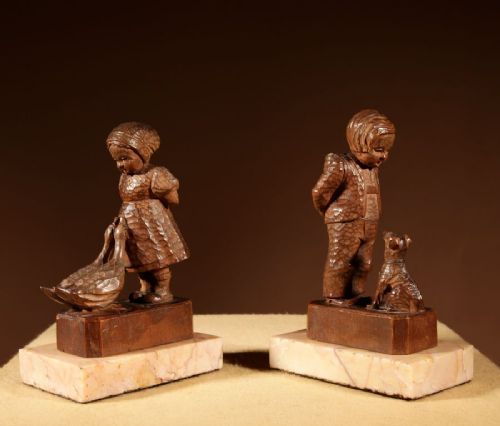
Origins stretch across the eighteenth, nineteenth, and early twentieth centuries, encompassing industrial styles, Black Forest carvings, and Anglo-Indian items. Each example combines a dark or black-finished base with timber construction.
How they were made
Construction relies primarily on wood and timber, often combined with cast iron, brass, and pine. Black finishes are achieved through traditional paint, lacquer, and polish applications.
Surface decoration frequently involves hand carving, polychrome details, gold leaf accents, and chinoiserie lacquer techniques. Metal elements such as brass mounts and heavy cast iron scroll work provide structural support and contrast.
Black Base Wooden Table Retail Price Guide 2026
Typical asking prices for black base wooden table among the pieces listed under this phrase on Sellingantiques today, from the lower quarter to the upper quarter. They describe what is for sale here now, not the wider market.
The listings span the eighteenth, nineteenth, and twentieth centuries, featuring wood, brass, lacquer, and cast iron.
What varies in quality
Quality rests in the execution of the surface finish and the integrity of the timber construction. Fine lacquerwork and detailed hand carving distinguish superior examples from simpler utilitarian pieces.
The harmony between the black base and the wooden upper sections determines the visual balance of each table. Original painted surfaces and authentic period patination hold greater appeal than later repainting.
Guido Cacciapuoti
The Black Base Wooden Table Glossary
- Chinoiserie
- European decorative style reflecting Chinese artistic influences, often rendered in lacquer. This finish appears on Edwardian and nineteenth-century lamps and tables.
- Torchere
- A tall ornamental stand or candlestick holder designed to support a light source. Examples include lacquered and decorated period supports.
- Dresser base
- The lower section of a traditional storage unit featuring cupboards or drawers. Eighteenth-century versions provide substantial wooden support.
- Ragwork
- A decorative painting technique used to create textured patterns on furniture surfaces. It appears on Scandinavian folding tables.
- Black Forest
- Regional style of intricate wood carving originating from central Europe. These sculptures and supports showcase detailed naturalistic motifs.
Black Base Wooden Table: Frequently Asked Questions
What periods do these tables cover?
The available pieces span from the eighteenth century through the nineteenth century and into the early twentieth century, including Edwardian and Art Deco eras.
Different decades brought distinct decorative treatments, ranging from industrial ironwork to refined lacquer and painted finishes.
How do I identify a chinoiserie finish?
Chinoiserie pieces feature decorative lacquer work inspired by traditional East Asian motifs, often showing gilt or painted details against a dark background.
This technique appears on nineteenth-century lamps and Edwardian tables within the collection.
Are these tables suitable for daily use?
Many items, such as the large pine farmhouse tables and folding side tables, were built for practical everyday utility.
More decorative stands and lacquered items require careful placement to protect their historic surfaces.
What materials are used for the bases?
Bases are constructed from timber, pine, and painted wood, frequently reinforced with cast iron or brass components.
Finishes include black lacquer, gold leaf, and polychrome painted details.
How do I care for lacquered wood?
Lacquered and painted wooden surfaces benefit from dusting with a soft, dry cloth and protection from direct sunlight and moisture.
Avoiding harsh chemical cleaners preserves the original finish and patination.